

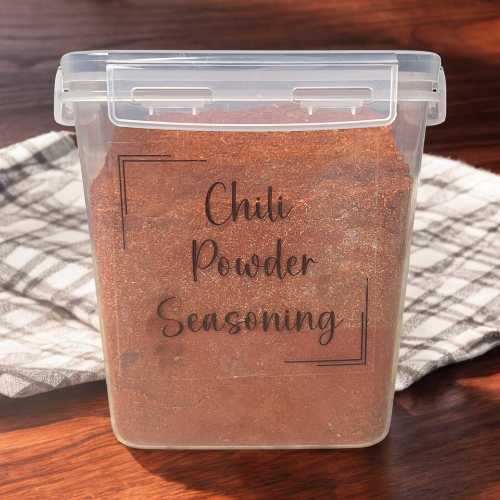
Store-bought chili powder is one of those spices that looks cheap until you realize how fast you go through it. A small jar disappears in two or three batches of chili. This recipe makes a large batch that fills a 1.5-liter container and lasts for months — using six pantry spices you probably already have.
It is bold, smoky, and customizable. Make it once and you will never buy a tiny overpriced jar again.
What is chili powder?
Chili powder is a blend of ground dried peppers and complementary spices. Despite the name, it is not just ground chilies — it is a seasoning mix built around chili pepper as the base, with garlic, cumin, oregano, and onion adding depth and balance.
This recipe uses paprika (preferably smoked) and cayenne as the pepper base. Paprika is made from ground dried red peppers and brings warm color and mild smokiness. Cayenne is made from ground dried cayenne peppers and brings the heat. Together they cover both the smoky and spicy sides of a well-rounded chili powder.
This is different from single-chili powders like ancho chili powder or chipotle powder, which are made from one specific dried pepper. This is an all-purpose blend designed to be the chili powder in any recipe that calls for it.
Why make it at home?
The main reasons are freshness, cost, and batch size. Commercial chili powder sits on warehouse shelves and store shelves for months before you open it. Spices lose potency over time — a jar that has been sitting for a year tastes noticeably flat compared to a freshly made batch.
Cost is the other factor. Buying individual spices in bulk and mixing your own is significantly cheaper per ounce than buying small jars of pre-made chili powder, especially if you cook with it regularly. This recipe makes roughly 100 servings in one batch.
A note on heat level
This blend is bold. Three-quarters of a cup of cayenne in a large batch means each serving has a noticeable kick. That is by design — you can always use less in a recipe, but you cannot add heat back once it is gone.
If you prefer a milder blend, reduce the cayenne to 1/4 cup and increase the paprika to compensate for the volume. The flavor will be similar with significantly less heat. If you want medium heat, split the difference at 1/2 cup cayenne.
Cherry from the comments made this for her chili and called it a happy medium for her household — her husband wanted more cayenne, which tells you the base recipe is solidly in the medium-hot range for most people.
How to use homemade chili powder
| Use | Amount | Notes |
| Pot of chili (per pound of meat) | 2-5 Tbsp | Start with 2 and add more to taste as it simmers |
| Taco seasoning substitute | 1-2 Tbsp per lb | Add a pinch of cumin and salt if using alone for tacos |
| Dry rub for meat | 1-2 Tbsp per lb | Press into surface and rest 15+ minutes before cooking |
| Roasted vegetables | 1 tsp per serving | Toss with oil before roasting at 400F |
| Enchilada sauce base | 2-3 Tbsp | Bloom in oil for 1 minute before adding liquid |
| BBQ sauce addition | 1-2 Tbsp | Stir into your base sauce for smoky heat |
| Soups and stews | 1-3 Tbsp | Add early in cooking so flavors develop |
| Popcorn and snacks | 1/2 tsp per serving | Toss while warm with a little butter or oil |
| Marinades | 1-2 Tbsp | Combine with oil, acid, and salt for a complete marinade |
How to convert this into a chili seasoning packet
Jennifer asked in the comments how to turn this into a thickened chili mix like a McCormick packet. Here is how:
For one batch of chili using about one pound of meat, combine 5 tablespoons of this chili powder blend with 1 tablespoon of cornstarch in a small bag or jar. That is your complete chili seasoning packet.
To use it: brown your meat or saute your vegetables, then stir the packet directly into the hot fat and let it bloom for about one minute — this activates both the spices and the cornstarch thickener. Add your tomatoes, liquid, and beans, then simmer for 10 to 15 minutes. The cornstarch gives the chili a thicker, glossier sauce without any starchy taste.
Make several packets at once and store them in small zip bags or labeled jars for quick weeknight chili.
Storage
Store in an airtight container at room temperature away from heat and moisture. A 1.5-liter jar or a large wide-mouth mason jar works well for this batch size. At room temperature it keeps well for up to one year, though the flavor is best in the first six months.
Label the jar with the date so you know when you made it. If the blend smells faint when you open it, the spices have lost potency and it is time for a fresh batch.
Customize the blend
- Milder — reduce cayenne to 1/4 cup; increase paprika to 1 3/4 cups
- Smokier — use all smoked paprika and add 1 tablespoon of chipotle powder
- Deeper chili flavor — add 2 tablespoons of ancho chili powder to the blend
- Salt included — add 1/4 cup of kosher salt if you want a complete all-in-one seasoning
- Sweeter — add 2 tablespoons of brown sugar for a slightly sweeter Tex-Mex style
- More cumin forward — double the cumin to 1/2 cup for a bolder earthy flavor
Recipes that use this chili powder
This blend is called for directly in several other This Old Baker recipes:
- Copycat Aw Shit Seasoning — uses 2 tablespoons of this blend as a key ingredient
- Texas Style Dry Rub
- Cream of Anything Soup Mix — for a spicy variation
Frequently asked questions
Where are the actual dried chilies in this recipe?
Great question — and one that trips up a lot of people. This recipe uses paprika and cayenne pepper as its chili base. Both are made from ground dried peppers: paprika from dried red sweet or mildly hot peppers, and cayenne from dried cayenne chilies. So the dried chilies are there — they are just already ground into powder form. If you want to use whole dried chilies like anchos or guajillos, you would toast them, remove the seeds and stems, then grind them in a spice grinder before blending with the other ingredients.
How much chili powder do I use per pound of meat for chili?
Start with 2 tablespoons per pound and taste as it simmers. Most chili recipes end up using 3 to 5 tablespoons per pound depending on how bold you like the flavor. It is always easier to add more than to fix an over-seasoned pot, so start conservatively and adjust.
Can I use this as a substitute for taco seasoning?
Yes, with a small adjustment. Use 1 to 2 tablespoons per pound of meat and add a pinch of salt and an extra pinch of cumin. This chili powder blend is missing the salt that most taco seasoning packets include, so season to taste after adding it. The flavor will be bolder and more chili-forward than a standard taco packet.
How do I turn this into a thickened chili seasoning packet like McCormick?
Combine 5 tablespoons of this chili powder with 1 tablespoon of cornstarch per packet. Stir the packet into hot fat after browning your meat and let it cook for one minute before adding liquids. The cornstarch blooms in the hot fat and thickens the chili to a hearty, glossy consistency as it simmers. Make multiple packets at once and store them for quick weeknight use.
Is smoked paprika required or can I use regular paprika?
Regular paprika works fine and produces a good chili powder. Smoked paprika is recommended because it adds a deeper, more complex flavor that makes the blend taste like it has been slowly developed rather than just mixed. If you only have regular paprika, consider adding a pinch of chipotle powder or a small amount of liquid smoke to a finished dish to compensate.
How long does homemade chili powder last?
Stored in an airtight container at room temperature, this blend stays fresh for up to one year. The flavor is at its peak in the first six months. If the blend smells faint or flat when you open the container, the spices have lost potency and it is worth making a fresh batch.
Can I make a smaller batch?
Yes. The ratios scale easily — just divide all amounts by four for a small batch that fits in a half-pint mason jar. The flavor will be identical; you will just have less of it. The large batch is designed for households that cook with chili powder frequently.
Is this blend gluten-free?
Yes. All of the ingredients are pure ground spices with no fillers or additives. If you have a sensitivity to cross-contamination, verify that your individual spice brands are certified gluten-free, as some are processed in facilities that also handle gluten-containing products.
Chili Powder Seasoning
Ingredients
- 1 1/2 cup paprika I prefer smoked
- 3/4 cup cayenne pepper
- 3/4 cup garlic powder
- 3/4 cup dried oregano
- 1/4 cup onion powder
- 1/4 cup cumin
Instructions
- Add all ingredients to a medium-sized bowl and stir to combine. Store in an airtight container in a cool, dry place. Fits in a 1.5 liter/1.59 quart container.

Leave a Reply