

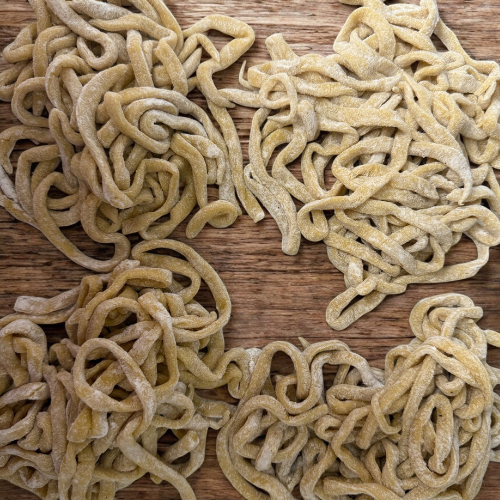
There’s something magical about making homemade pasta from scratch. The feel of the dough, the smell of fresh eggs and flour, and the satisfaction of turning a few simple ingredients into something truly spectacular—it’s an experience that every home cook should try at least once. And with a pasta roller in your kitchen, the process becomes not just manageable but fun and incredibly rewarding.
Whether you’re using a manual roller or a KitchenAid attachment, making homemade pasta is much easier than it might seem. The effort you put in is instantly rewarded the moment those silky strands of fresh pasta hit the boiling water and cook in mere minutes. The flavor, texture, and quality are simply unmatched by anything that comes out of a box.
Why Make Pasta from Scratch?
You might wonder: why go through the trouble of making pasta when store-bought is just a boil away? The answer is simple—fresh pasta tastes better. It’s more delicate, cooks faster, and can be customized to your taste and dietary needs. Plus, there’s a real sense of satisfaction in crafting something so traditionally artisanal with your own two hands.
Homemade pasta also offers incredible versatility. Want to make spinach fettuccine? Go for it. Craving egg-rich tagliatelle or peppery pappardelle? You’re in control. From the flour to the final shape, everything is tailored to your preferences, and the result is a pasta dish that’s uniquely yours.
Choosing the Right Equipment
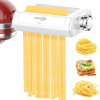
If you’re going to make pasta regularly, a pasta roller is an invaluable tool. Manual pasta rollers are great for traditionalists and give you full control over the process. But if you’re looking to streamline the experience, attachments like a pasta roller on your Kitchenaid Mixer are a game-changer.
The KitchenAid version attaches directly to the mixer and does all the heavy lifting when it comes to rolling. This leaves your hands free and makes it easier to achieve consistent, even sheets of pasta—especially helpful if you’re making large batches or stuffing pasta like ravioli.
The Basic Dough: Flour + Eggs = Magic
At the heart of every pasta recipe is a simple mixture of flour and eggs. That’s it. Some recipes add a little salt or olive oil, and others substitute part of the all-purpose flour with semolina for a firmer bite. But in its most essential form, pasta dough doesn’t need much to shine.
For beginners, a classic ratio to follow is 2 cups of flour to 3 large eggs. This makes enough dough for 2–4 servings, depending on how the pasta is used. The trick is to knead until the dough is smooth and elastic, then let it rest so the gluten can relax—this makes rolling much easier.
Resting Is Key
After kneading, wrap your dough in plastic wrap and let it rest at room temperature for about 30 minutes. This step is crucial. If you skip it, you’ll find the dough tough to roll and prone to snapping back. Resting allows the flour to fully hydrate and the gluten to relax, making for smoother, more pliable pasta.
Rolling It Out
Now comes the fun part—rolling the dough. This is where the pasta roller shines. Whether manual or electric, the roller flattens the dough in increments, gradually thinning it into silky sheets perfect for cutting or stuffing.
Start by dividing your dough into smaller portions. Flatten one piece slightly and dust it with a bit of flour. Run it through the widest setting on your pasta roller (typically setting 1), then fold it in thirds and run it through again. Repeat this folding and rolling process 2–3 times to condition the dough.
Next, begin reducing the roller setting one notch at a time, passing the dough through each time without folding. Depending on the type of pasta you’re making, you’ll likely stop around setting 5 or 6 for fettuccine or lasagna, and thinner for ravioli.
The goal is a smooth, elastic sheet that’s thin enough to see your hand through when held up to the light—but not so thin that it tears easily.
Cutting and Shaping
Once your sheets are rolled to the desired thickness, you can cut them by hand or use your roller’s cutter attachment. Fettuccine and spaghetti cutters are common add-ons for pasta rollers, and they make short work of turning sheets into uniform strands.
If you’re feeling creative, use a sharp knife or pastry wheel to cut wide pappardelle, twisty mafaldine, or rustic hand-cut tagliatelle. You can also use the sheets for lasagna, cannelloni, or ravioli—just make sure to keep the dough lightly floured to prevent sticking.
Cooking Fresh Pasta
One of the best things about fresh pasta is how quickly it cooks. While dried pasta can take 8–12 minutes, fresh pasta usually needs just 2–4 minutes in boiling salted water. Watch closely and taste for doneness—you’re looking for tender but slightly firm to the bite, or al dente.
Once it’s ready, drain it gently and toss immediately with your sauce of choice. Fresh pasta pairs beautifully with rich butter sauces, creamy alfredo, or classic tomato and basil. It absorbs flavor well and has a luxurious mouthfeel that makes any sauce shine.
Tips for Success
- Flour is your friend: Lightly dust your work surface and roller with flour to prevent sticking, especially if your dough is slightly moist.
- Don’t skip the rest: A rested dough is a rollable dough. Your arms will thank you.
- Roll gradually: Don’t jump settings on your roller. Move one setting at a time for best results.
- Cook right away or store: Fresh pasta can be stored in the fridge for up to 2 days or frozen in nests for up to a month.
The Pasta-Making Experience
There’s a rhythm to making pasta that’s almost meditative. From kneading the dough to the hum of the pasta roller, it becomes a sensory experience. The textures, the smells, the anticipation of that first bite—it’s as much about the process as the end result.
And while it may take a bit more time than boiling a box of dried noodles, the flavor and satisfaction you gain make it completely worth it. Plus, it’s a wonderful way to connect with others. Invite family or friends to help roll and cut, and you’ll have a hands-on cooking session that feels more like a celebration than a chore.
Final Thoughts
Making homemade pasta with a pasta roller isn’t just for professional chefs or ambitious foodies—it’s for anyone who loves the idea of slowing down and making something truly special. With a little practice and the right tools, you’ll be creating silky ribbons of pasta that elevate any meal.
Whether you’re rolling out sheets for a comforting lasagna, crafting delicate ravioli, or slicing thick, rustic noodles for a hearty ragu, the experience of making pasta from scratch is both satisfying and unforgettable. So dust off that pasta roller and let the magic begin!
Check out my Brownie Mason Jar Mix or Au Gratin Potatoes Sauce Mix for more inspiration.
Homemade Pasta
Equipment
Ingredients
- 2 cups all-purpose flour or 1½ cups all-purpose + ½ cup semolina for extra bite
- 3 large eggs
- 1/2 tsp salt
- Optional: 1 tbsp olive oil for extra elasticity
Instructions
Make the Dough
- On a clean surface or in a mixing bowl, make a mound with the flour and create a well in the center.
- Crack the eggs into the well and add the salt (and olive oil if using).
- Using a fork, gently beat the eggs and start pulling in flour from the sides. Once it starts coming together, knead by hand for about 8–10 minutes until smooth and elastic. (If using a stand mixer, use the dough hook for 5–6 minutes.)
- Wrap the dough tightly in plastic wrap and let it rest at room temperature for 30 minutes.
Set Up the Pasta Roller
- Attach the KitchenAid pasta roller to the stand mixer.
- Cut your dough into 4 equal pieces. Flatten one piece slightly with your hand and cover the rest to prevent drying.
Roll the Pasta
- Set the pasta roller to setting 1 (widest) and turn the mixer to speed 2.
- Feed the dough through the roller. Fold it in half and run it through 2–3 more times on setting 1 to knead and smooth the dough.
- Continue passing the dough through progressively thinner settings (typically up to setting 5 or 6 for fettuccine or lasagna, thinner for ravioli).
- Lightly flour the dough if it gets sticky, and trim the ends for a uniform shape.
Cut and Use
- Use the appropriate KitchenAid cutter attachment or a sharp knife to cut into your desired shape (fettuccine, tagliatelle, lasagna sheets, etc.).
- Lay the pasta on a floured surface or hang to dry slightly before cooking.
Cook It
- Bring a large pot of salted water to a boil.
- Cook fresh pasta for 2–4 minutes (depending on thickness), until al dente.
- Drain and sauce immediately!



Leave a Reply