


There’s something downright comforting about a warm pan of potato bread rolls coming out of the oven. Soft, pillowy, and just a little richer than your everyday dinner roll, these old-fashioned favorites have been showing up on family tables for generations—and for good reason. They’re reliable, budget-friendly, and one of the smartest ways to turn simple pantry staples (and even leftovers) into something that feels a little special.
If you’ve never made potato bread rolls at home, you’re in for a treat. And if you’ve got leftover mashed potatoes sitting in the fridge? Well, you’re already halfway there.
What Makes Potato Bread Rolls So Special?
Potato bread rolls stand apart from traditional rolls because of one humble ingredient: potatoes. Whether you’re using fresh mashed potatoes or pantry-friendly potato flakes, that addition changes everything.
Potatoes add natural moisture and starch to the dough, which creates a softer crumb and helps the rolls stay fresh longer. The result? Rolls that are tender, slightly sweet, and practically melt in your mouth.
Unlike some homemade breads that dry out the next day, potato rolls hold onto their softness. That makes them perfect not just for dinner, but for leftovers, sandwiches, and even quick breakfast fixes.
A Smart Way to Use Leftover Mashed Potatoes
Let’s talk about one of my favorite kitchen habits: using what you already have.
Potato bread rolls are a classic example of old-school, no-waste cooking. Back in the day, nothing went to waste—not even a bowl of leftover mashed potatoes from Sunday dinner. Instead of tossing them, home cooks turned them into bread.
Leftover mashed potatoes work beautifully in bread dough because they’re already seasoned, smooth, and hydrated. They blend right in and add richness without requiring extra effort.
If your mashed potatoes are plain, buttery, or even lightly seasoned, they’ll still work just fine. This is one of those forgiving, flexible kitchen tricks that makes you feel like you’ve got a little extra magic up your sleeve.
Pantry-Friendly Meets Scratch Cooking
One of the reasons potato bread rolls fit so perfectly into a modern kitchen is that they bridge the gap between scratch cooking and pantry convenience.
You can go the traditional route with fresh mashed potatoes, or you can keep things simple with instant potato flakes. Both options give you that signature soft texture, and both keep the process approachable.
This is exactly the kind of recipe style that works for busy days, tight budgets, and real-life kitchens. You don’t need fancy ingredients or complicated techniques—just a handful of basics and a little time.
And if you’re building a working pantry (like we love to do around here), potato flakes are one of those underrated staples that can do a whole lot more than just sit on the shelf.
The Texture Everyone Loves
If you ask anyone why they love potato bread rolls, it usually comes down to one word: soft.
These rolls bake up with a delicate, fluffy interior and a light golden exterior. They’re not crusty like artisan bread, and they’re not dense like some homemade rolls can be. Instead, they land right in that sweet spot—tender, airy, and just sturdy enough to hold together.
That makes them incredibly versatile. They’re perfect for soaking up gravy, serving alongside soups, or building the kind of sandwich that doesn’t fall apart in your hands.
And let’s be honest—there’s nothing wrong with pulling one apart while it’s still warm and adding a generous swipe of butter.
Perfect for Family Meals and Holidays
Potato bread rolls have a way of showing up at just the right moments.
They’re right at home on a weeknight dinner table, but they also shine during holidays and gatherings. Think Thanksgiving, Sunday suppers, or any meal where comfort food takes center stage.
Because they’re so soft and mild in flavor, they pair well with just about anything—roast chicken, beef, soups, stews, or even a simple plate of eggs in the morning.
And if you’re feeding a crowd, they’re a reliable choice that most people will reach for without hesitation.
Budget-Friendly and Practical
Let’s not overlook one of the biggest wins here: potato bread rolls are incredibly budget-friendly.
You’re working with basic ingredients—flour, yeast, potatoes (or flakes), and a few kitchen staples. No specialty items, no expensive add-ins, just simple food that stretches your grocery dollar.
Using leftover mashed potatoes makes them even more economical. Instead of letting food go to waste, you’re turning it into something new and useful.
That’s the kind of kitchen wisdom that never goes out of style.
Freezer-Friendly and Make-Ahead Friendly
Potato bread rolls also fit beautifully into a make-ahead routine.
You can bake a batch and freeze them for later, making them a great option for meal prep or busy weeks. Once cooled, they freeze well and reheat without losing that soft texture.
You can also prep dough ahead of time and bake when needed, which is especially helpful during holidays or when you’re juggling multiple dishes.
Having a batch of homemade rolls tucked away in the freezer? That’s the kind of quiet kitchen win that makes life a little easier.
Tips for the Best Homemade Potato Rolls
While potato bread rolls are forgiving, a few simple tips can help you get the best results:
- Use smooth, lump-free mashed potatoes for even texture
- Don’t overdo the flour—soft dough makes soft rolls
- Give the dough enough time to rise for that light, airy crumb
- Keep an eye on baking time so they stay tender, not dry
These are small things, but they make a big difference in the final result.
Why Homemade Still Matters
There’s something about making bread at home that just hits different.
Maybe it’s the smell filling the kitchen. Maybe it’s the satisfaction of pulling a tray of golden rolls from the oven. Or maybe it’s knowing exactly what went into them—simple, real ingredients, made with intention.
Potato bread rolls carry that same old-fashioned charm. They’re practical, yes—but they’re also a reminder that good food doesn’t have to be complicated.
And when you can turn leftovers into something this comforting? That’s a win every single time.
A Roll Worth Keeping in Your Rotation
If you’re looking for a homemade bread that’s soft, reliable, and a little more forgiving than most, potato bread rolls are a solid place to start.
They’re easy enough for everyday baking, special enough for gatherings, and flexible enough to work with whatever you’ve got on hand—whether that’s fresh potatoes or a scoop of leftovers waiting to be used.
This is the kind of recipe that earns a permanent spot in your kitchen rotation. The kind you come back to again and again because it simply works.
And once you’ve made a batch, don’t be surprised if they disappear faster than you planned.
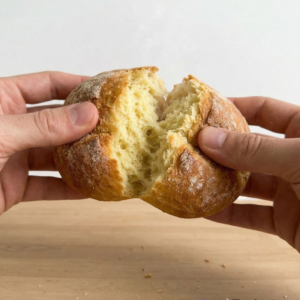
Potato Bread Rolls
Equipment
Ingredients
- 1 medium russet potato peeled, boiled, and mashed (about 1 cup)
- 1 tbsp active dry yeast
- 1 cup warm water 110°F/45°C
- 2 tbsp granulated sugar
- 1 tsp salt
- 3 ½ cups all-purpose flour
- 2 tbsp unsalted butter melted
Instructions
- In a big bowl, stir together your warm water, sugar, and yeast. Let it sit about 5 minutes until it gets nice and foamy—if it’s not foamy, don’t keep going. Start over.
- Make the dough:
- Mix in your mashed potatoes, salt, and about 3 cups of flour. You’re looking for a soft, slightly sticky dough. Turn it out onto a floured surface and knead for 8–10 minutes, adding a little more flour as needed, until it’s smooth and stretchy.
- Let it rise:
- Place the dough in a greased bowl, cover it, and let it rise somewhere warm for about an hour, or until doubled in size.
- Shape your rolls:
- Punch it down (yes, take your frustrations out right here), then divide into 12 even pieces. Roll them into balls and place in a greased 9×13 pan. Cover and let them rise again for about 30 minutes.
- Bake:
- Brush the tops with melted butter, pop them into a 375°F oven, and bake for 20–25 minutes until golden brown and smelling like heaven. Let them cool just enough so you don’t burn your fingers… then dig in.



Leave a Reply