

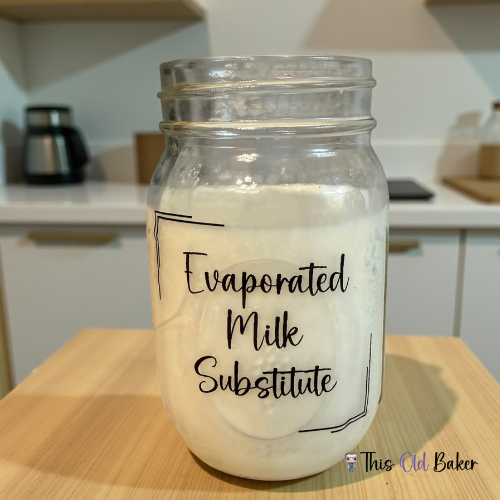
Evaporated Milk Substitute is one of those clever kitchen tricks that makes you feel like a magician in an apron. It’s the kind of make-do solution that would’ve made your grandmother proud—resourceful, thrifty, and just plain practical. The best part? It’s incredibly easy to make right in your own kitchen, no grocery run required. Whether you ran out mid-recipe or you’re simply trying to keep your pantry stocked for “just in case” moments, a good evaporated milk substitute saves the day without sacrificing flavor or texture.
A Bit of Old-Fashioned Ingenuity
There’s something wonderfully old-fashioned about taking simple ingredients and turning them into something useful. That’s the spirit behind every good pantry mix, and this one’s no different. Instead of relying on canned milk, you can whip up a homemade version in minutes that behaves almost exactly the same in your favorite recipes. It gives you the same creamy body, mild sweetness, and versatility, but with the added satisfaction of knowing you made it from scratch.
Simple Ingredients, Big Results
Part of the charm is how forgiving this substitute can be. You don’t need fancy equipment or special ingredients—just milk and a little bit of know-how. In most cases, powdered milk and water are all you need to recreate that same smooth, slightly thick consistency that makes evaporated milk so useful in both sweet and savory dishes. It’s one of those “pantry math” moments where you realize how much control you actually have over what goes into your food.
A Staple for Everyday Cooking
The best reason to keep an evaporated milk substitute on hand is how easily it fits into your everyday cooking. Need it for mac and cheese? No problem. A soup or casserole calling for a can? You’re covered. Baking something cozy and classic like pumpkin pie or fudge? You can still get that creamy richness without ever leaving the house. It’s dependable, versatile, and made with ingredients you probably already own.
Why It Works
Evaporated milk has been a staple in American kitchens for over a century, prized for its ability to add body and creaminess without the heaviness of cream. The homemade version does the same thing. When milk is simmered down or mixed from powder and water, it becomes just a touch thicker than regular milk, which helps it hold up in cooking and baking. That’s why it’s a favorite in comfort foods—soups, mashed potatoes, quiches, casseroles, and desserts that need that rich mouthfeel without being overly heavy.
Pantry Power and Flexibility
If you’re the kind of baker who likes to plan ahead, keeping a few jars of dry milk powder in your pantry is a lifesaver. It’s shelf-stable, lightweight, and can turn into evaporated milk substitute at a moment’s notice. There’s no waiting for a store run, no wondering whether the can in the back of the cupboard is still good, and no waste if you only need part of a can. It’s an easy way to stretch your ingredients and keep your kitchen running smoothly, especially during holiday baking season when every minute counts.
Customize It Your Way
Another perk of making your own evaporated milk substitute is the control you gain over the flavor and richness. If you like a creamier result, you can add a tablespoon of butter or a splash of half-and-half to boost the texture. Want to lighten things up? Use 2% or skim milk and it’ll still work beautifully in most recipes. That flexibility makes it especially handy if you’re cooking for dietary preferences—dairy-free versions can be made with coconut, almond, or oat milk, each lending a slightly different flavor but still offering that same creamy consistency.
Smart, Budget-Friendly Cooking
From a budget standpoint, this substitute is pure gold. A single box of dry milk can replace a dozen or more cans of evaporated milk, and it costs a fraction of the price. It’s one of those frugal habits that feels like a secret weapon in the kitchen—quietly saving money while keeping your recipes delicious. And unlike canned milk, which can pick up a metallic note after long storage, your homemade version tastes fresh and clean every time.
Quick and Foolproof
Another benefit is the simplicity of preparation. Making an evaporated milk substitute takes less effort than brewing a pot of coffee. You can mix it cold, warm it up for a creamier texture, or even simmer it briefly to mimic the slight caramel flavor that comes from cooked-down milk. It’s flexible, forgiving, and completely within reach for any skill level. There’s no need for fancy gadgets or thermometers—just a whisk and a few minutes.
Perfect for Sweet or Savory Dishes
The flavor is mild and neutral, which is exactly what makes it such a hero ingredient. In sweet dishes, it enhances richness without overpowering vanilla, chocolate, or spice notes. In savory recipes, it adds body without turning things too sweet. That’s why you’ll find it in everything from custards and pies to chowders and sauces. The homemade substitute performs just as well, adding that silky mouthfeel and helping ingredients blend smoothly together.
Convenience in a Jar
For busy home cooks, convenience is everything. Having this quick substitute in your back pocket means fewer interruptions and more confidence in your kitchen. You can mix it ahead of time and refrigerate it for a few days, or whip it up fresh right before you need it. It’s also ideal for jar mix recipes—think casseroles, creamy soups, or dessert-in-a-jar kits—because it gives your readers and customers a shelf-stable option that only requires water to turn into creamy goodness.
The Spirit of a Homemade Pantry
If you enjoy making your own pantry staples, this one fits right into that homemade lifestyle. It’s the same satisfaction you get from mixing your own pancake or cocoa mix: a little bit of effort that pays off again and again. The idea is simple—keep your ingredients basic, your methods easy, and your results reliable. That’s the heart of scratch cooking, after all.
Confidence in the Kitchen
Homemade substitutes like this one remind you that the kitchen doesn’t have to be complicated. You don’t need to chase every ingredient down a grocery aisle when you’ve already got the power to create it yourself. It’s part creativity, part practicality, and a whole lot of old-fashioned common sense. You’ll feel a quiet pride each time you skip the can and reach for your own mix instead.
Your Pantry, Your Power
There’s also a certain comfort in knowing you’re not dependent on store-bought convenience. If you’re out of evaporated milk at ten o’clock on pie night or snowed in during the holidays, you can still pull off a perfect dish. Your pantry becomes your safety net—and your creativity, the secret ingredient.
A Little Bit of Kitchen Magic
In the end, an Evaporated Milk Substitute isn’t just about replacing an ingredient. It’s about the joy of self-sufficiency, the satisfaction of stretching what you have, and the little thrill of pulling a homemade solution out of your back pocket. It’s the same spirit that keeps a well-stocked pantry humming—one where dry milk, sugar, flour, and spices become the building blocks for comfort and creativity.
So the next time you open a recipe and realize you’re out of evaporated milk, don’t sigh and grab your car keys. You’ve already got what you need. A bit of milk powder, a splash of water, and a few minutes later, you’ll have your substitute ready to pour. It’s easy, it’s thrifty, and it’s exactly the kind of smart kitchen shortcut that turns an ordinary cook into a confident, resourceful one.
Because that’s the beauty of a homemade pantry—nothing goes to waste, everything has a purpose, and you’re never more than a few minutes away from making your own magic.

Evaporated Milk Substitute
Ingredients
- 1 1/4 cups Water
- 1 cup Dry Milk Powder
Instructions
- In a large measuring cup or bowl, combine the water and dry milk powder. Stir until smooth and creamy, with no lumps remaining. This equals one 12-ounce can of evaporated milk—perfect for any recipe that calls for it.
Pro tip (for a closer match):
- If you want to nail that slightly “cooked” taste of true evaporated milk, warm the mixture gently for 5–10 minutes over low heat before using — it thickens a bit and develops that mild caramel note.



Leave a Reply