

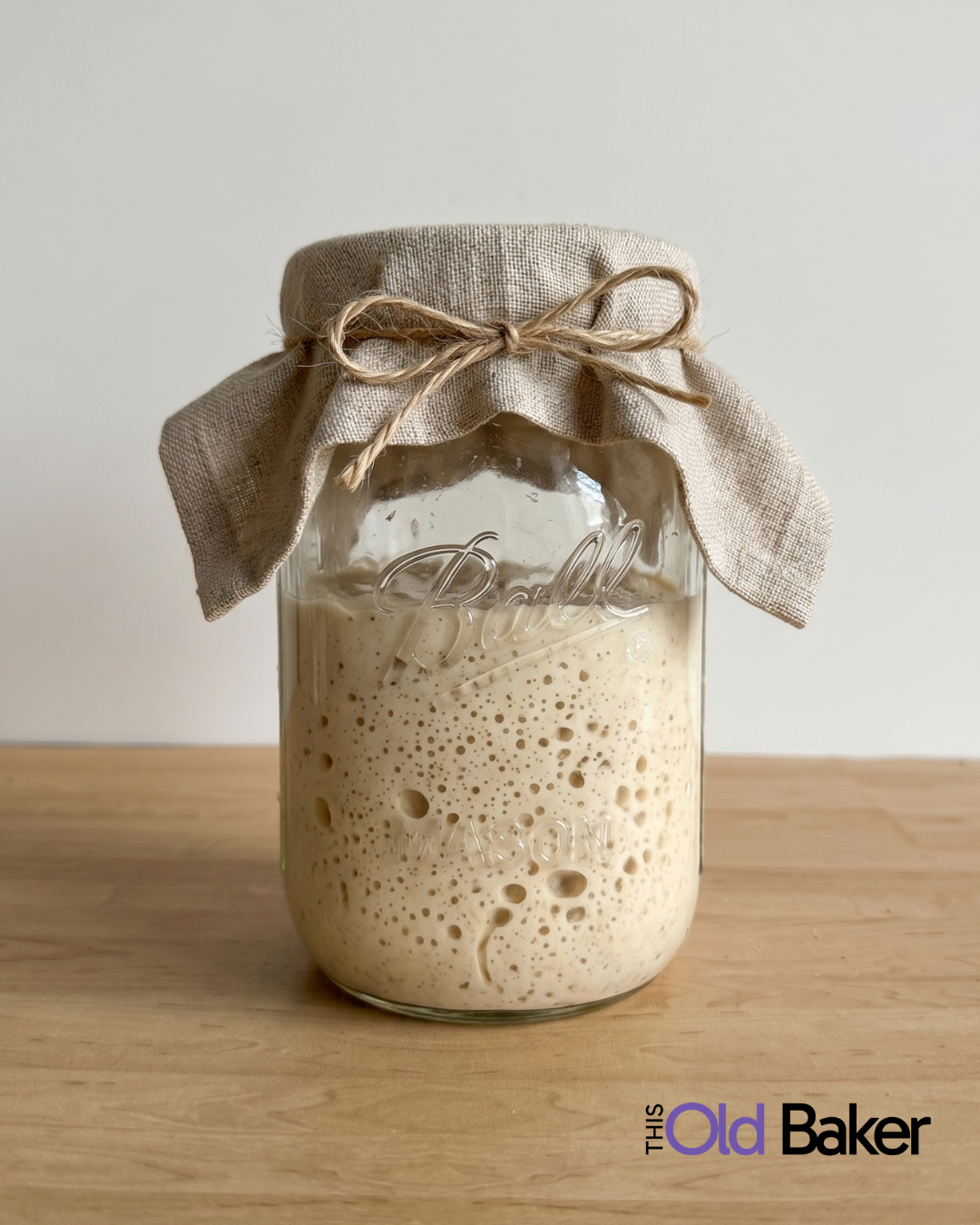
There is something oddly satisfying about keeping a jar of bubbling flour and water alive on your kitchen counter.
It sounds ridiculous when you say it out loud, but anyone who has ever started sourdough knows exactly what I mean. One minute it looks like thick paste in a mason jar, and a few days later you are peeking at it every few hours like a proud parent waiting for it to do something exciting.
And when it finally starts bubbling? Pure kitchen joy.
An Easy Sourdough Starter Recipe is one of those old-fashioned kitchen skills that feels both practical and comforting at the same time. It is simple, inexpensive, and surprisingly rewarding once you get the hang of it.
No fancy ingredients.
No expensive equipment.
Just flour, water, patience, and a willingness to trust the process even when the jar smells a little suspicious halfway through the week.
Why Everyone Is Suddenly Obsessed With Sourdough Again
Sourdough has become wildly popular again over the last few years, but honestly, it never really disappeared.
Long before packets of instant yeast lined grocery store shelves, people were baking bread with homemade starters they kept alive for years. Some families even passed them down from generation to generation.
That is part of the appeal.
Sourdough feels connected to slower kitchens, handwritten recipes, and homemade meals that filled the table without costing a fortune.
And in a world full of convenience foods and drive-thru dinners, there is something comforting about returning to basics.
Flour.
Water.
Time.
That is it.
What Makes a Sourdough Starter Actually Work?
A sourdough starter works because natural yeast already exists in the environment around us. When flour and water are combined and fed regularly, wild yeast and good bacteria begin to grow.
Eventually, the mixture becomes active enough to help bread rise naturally.
Kitchen science sounds far more intimidating than it really is.
Most of the process is simply feeding the starter consistently and letting nature do its thing. That is why sourdough can feel magical to beginners. You are essentially creating your own natural leavening system right on your countertop.
Which sounds impressive until you realize you are also emotionally invested in a jar of flour.
The Weird Stage Nobody Warns Beginners About
Almost every new sourdough baker experiences the same emotional rollercoaster.
Day one feels exciting.
Day two feels hopeful.
Day three smells weird enough to make you question your life choices.
That awkward middle stage catches a lot of people off guard. Sometimes the starter smells sour, overly strong, or even slightly unpleasant before it stabilizes. That is completely normal.
And then one morning, bubbles suddenly appear.
The starter rises after feeding.
The texture changes.
It finally starts looking alive instead of concerning.
That is usually the moment people officially become sourdough people.
Why Sourdough Feels So Comforting
There is something deeply nostalgic about homemade bread baking in the oven.
The smell fills the entire house in a way candles never quite manage to copy. It smells warm, cozy, and lived in. Like somebody actually cooks there.
Sourdough especially has that old-fashioned charm people crave. It is not rushed. It cannot be microwaved into existence. It asks for time and patience, which somehow makes the finished loaf feel more meaningful.
And honestly, watching butter melt into a thick slice of warm homemade sourdough bread feels like therapy some days.
The Truth About Beginner Sourdough Mistakes
Most people assume sourdough is incredibly difficult, but beginners usually overthink it more than anything else.
A starter does not need perfection.
It does not care if your kitchen looks like a Pinterest photo.
It does not require expensive proofing baskets or matching linen aprons.
What it does need is consistency.
Feed it regularly.
Keep it warm enough.
Give it time.
That is really the secret.
Of course, there will still be moments when you forget to feed it or accidentally leave flour handprints across your kitchen like a crime scene. That is just part of baking from scratch.
Why People Name Their Starters
Nobody warns you this will happen either.
At some point, the sourdough starter becomes less like an ingredient and more like a household pet.
People name them.
Talk to them.
Celebrate when they double in size.
Panic when they stop bubbling for a day.
You will catch yourself saying things like, “She’s really active today,” about a jar sitting next to your coffee maker.
Completely normal sourdough behavior.
Sourdough Is Surprisingly Budget Friendly
One of the best things about sourdough is how inexpensive it is to start.
Flour and water are basic pantry staples most households already have on hand. That means you can create homemade bread without spending much money at all.
And right now, that matters.
Homemade baking stretches grocery budgets in ways people sometimes forget about. A loaf of sourdough can turn simple meals into something comforting and filling.
Soup and bread.
Toast and eggs.
Grilled cheese on homemade sourdough.
Even basic meals feel a little more special.
It Is About More Than Bread
Once people get comfortable with sourdough starters, they quickly realize bread is only the beginning.
Sourdough discard can be used in pancakes, waffles, biscuits, crackers, muffins, pizza dough, cinnamon rolls, and more.
That versatility is part of why so many people stick with it long term. It reduces waste while creating homemade foods that taste incredible.
And honestly, sourdough pancakes alone are enough reason to keep a starter alive.
Why Sourdough Baking Feels Relaxing
There is a rhythm to sourdough baking that people genuinely enjoy.
Feeding the starter becomes part of the routine.
Morning coffee.
Feed the starter.
Clean the counters.
Feed the starter.
Debate baking bread at 10 PM because the starter looks especially bubbly.
Feed the starter again just because you feel proud of it.
Somehow the process feels calming instead of stressful.
It slows you down in a good way.
Homemade Bread Just Feels Different
Even imperfect homemade bread feels special.
Your first loaf may not look bakery perfect. It may come out flatter than expected or shaped a little strangely. But warm homemade bread still tastes incredible.
Nobody sitting at your table is going to complain.
There is pride in making something from scratch with your own hands. Especially something as timeless as bread.
And when you pull a loaf from the oven made from a starter you created yourself? That feeling is hard to beat.
Why Sourdough Keeps Getting Passed Down
Some sourdough starters live for years.
Seriously.
Families keep them alive and pass them down like treasured kitchen heirlooms. That may sound dramatic to non-bakers, but once you spend time caring for one yourself, it suddenly makes complete sense.
A good starter represents patience, tradition, and homemade memories.
It connects generations through something as simple as bread.
That is powerful for something made with flour and water.
The Cozy Appeal of Slower Kitchen Skills
Part of the reason sourdough continues to grow in popularity is because people miss slower kitchen traditions.
Not everything needs to happen instantly.
Sometimes there is joy in taking your time. Measuring flour. Waiting for dough to rise. Pulling homemade bread from the oven while the kitchen smells amazing.
Sourdough reminds people that homemade food does not need to be complicated to feel meaningful.
Sometimes the simplest things become the most comforting.
And somewhere along the way, you end up standing in your kitchen proudly staring at a bubbling jar like it deserves its own family portrait.
Honestly?
It probably does.
Easy Sourdough Starter Recipe
Instructions
What You Need
- 1 cup all-purpose flour or bread flour
- 1/2 cup warm water
- Glass jar or bowl
- Spoon
Day 1
- Mix:
- 1 cup flour
- 1/2 cup warm water
- Stir until no dry flour remains. It should look like thick pancake batter.
- Cover loosely with a lid or towel and leave on the counter.
Day 2
- You may or may not see bubbles. That’s normal.
- Add:
- 1/2 cup flour
- 1/4 cup warm water
- Stir well.
Days 3–7
- Each day:
- Discard about half the starter.
- Feed with:
- 1/2 cup flour
- 1/4 cup warm water
By days 5–7, it should:
- smell tangy and yeasty
- have bubbles throughout
- double in size after feeding
- That means it’s ready to bake with.
How to Store
- If baking often: keep on counter and feed daily.
- If baking occasionally: refrigerate and feed once weekly.
Beginner Tips
- A warm kitchen helps it grow faster.
- If liquid forms on top, just stir it in or pour it off.
- Don’t seal the jar tightly.
- Bread flour usually gives stronger activity, but all-purpose works fine.
Simple Test
- Drop a spoonful into water.
- If it floats, it’s usually ready for bread.


Leave a Reply