

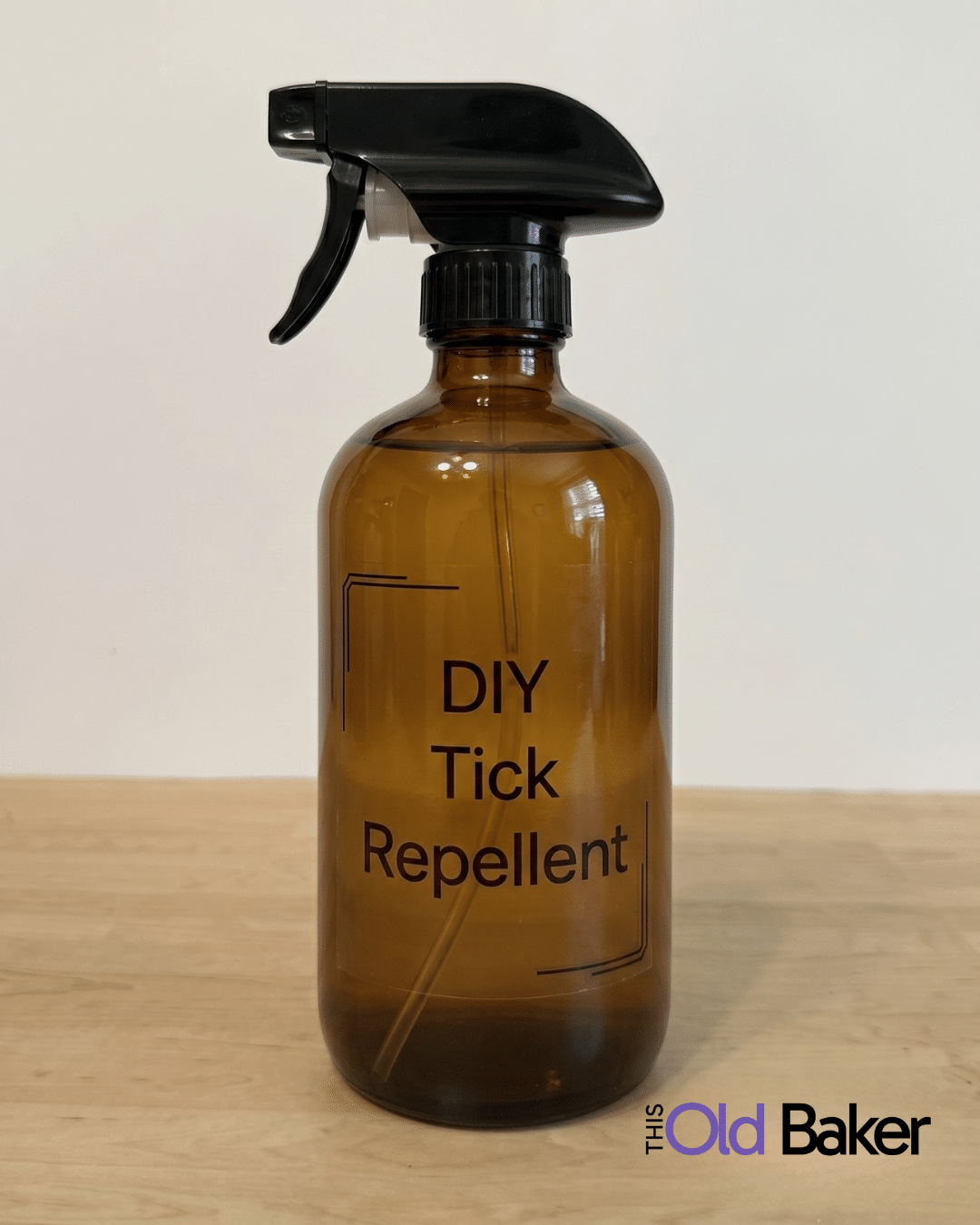
If you spend time gardening, hiking, working in the yard, or simply enjoying the outdoors, you’ve probably thought about ticks more than once. Living in Florida, I’ve learned that spending time outside often means taking a few extra precautions before heading into the garden or walking around the property.
One thing I’ve started keeping on hand is a DIY tick repellent that I spray on my clothing before spending time outdoors.
Notice I said clothing.
This isn’t something I personally use directly on my skin. Instead, I spray it on shoes, socks, pant legs, gardening gloves, and other outdoor clothing before heading outside. It’s become part of my routine right alongside grabbing my gardening gloves and water bottle.
A Quick Disclaimer
Before we go any further, I want to share an important disclaimer.
I am not a doctor, medical professional, scientist, or pest control expert. I’m simply sharing what I use and what works for me.
This DIY tick repellent is not intended to diagnose, treat, cure, or prevent any disease. If you have concerns about ticks, tick-borne illnesses, allergies, or skin sensitivities, please consult a qualified medical professional.
It’s also important to understand that essential oils should be used with caution. Some people may experience skin irritation, allergic reactions, or sensitivity to certain oils.
Always do your own research and use common sense when trying any DIY product.
Why I Focus on Clothing Instead of Skin
One of the reasons I prefer using this spray on clothing rather than directly on my skin is because clothing creates an extra layer of separation.
Ticks often begin their journey from the ground up. They commonly attach to shoes, socks, pant legs, and lower clothing first before moving higher.
That’s why I focus my attention on those areas.
Before heading outside, I spray my shoes, the tops of my socks, the lower portion of my pant legs, and sometimes my gardening gloves. These are the items most likely to come into contact with grass, brush, and other areas where ticks may be present.
For me, it feels like a practical way to add another layer of protection when spending time outdoors.
Why I Like DIY Options
I’ve always enjoyed learning how to make things myself.
Whether it’s pantry mixes, homemade cleaners, lip balm, hand salve, or simple household products, I appreciate knowing exactly what’s going into the items I use around my home.
A DIY tick repellent fits right into that philosophy.
It gives me an option that I can make using ingredients I already keep on hand. It’s simple, easy to store, and easy to apply before spending time outdoors.
That doesn’t mean it’s the only option available. It’s simply the option I’ve chosen to add to my gardening routine.
Essential Oils and Their Popularity
Many homemade tick repellent recipes rely on essential oils.
Certain oils have become popular among gardeners and outdoor enthusiasts because of their strong scent and traditional use in natural household products.
Some commonly used oils include:
- Cedarwood
- Peppermint
- Eucalyptus
- Lavender
- Citronella
- Geranium
These oils are often combined with a liquid base to create a spray that can be applied to clothing and gear.
Again, it’s important to remember that natural does not automatically mean risk-free. Essential oils are concentrated products and should always be handled responsibly.
Use Caution With Essential Oils
This is one area where I think a little caution goes a long way.
Essential oils are highly concentrated. Because of that, they should never be treated casually.
Some people may experience irritation when certain oils come into contact with their skin. Others may have allergies or sensitivities that make particular oils unsuitable for them.
I recommend:
- Reading product labels carefully
- Keeping oils away from children and pets
- Avoiding contact with eyes and mucous membranes
- Testing products on a small area of fabric first
- Following manufacturer recommendations
If you’re unsure whether an essential oil is appropriate for you, it’s always best to consult a healthcare professional.
More Than Just Gardening
Although I first started using a DIY tick repellent for gardening, it can be useful for many outdoor activities.
You might consider using it when:
- Gardening
- Hiking
- Camping
- Fishing
- Walking trails
- Working in the yard
- Visiting wooded areas
- Spending time around tall grass
Any activity that puts you in contact with brush, weeds, or grassy areas may increase your exposure to ticks.
Having a simple routine before heading outdoors can make it easier to remember basic precautions.
Tick Checks Still Matter
Even when using a tick repellent, I still believe one of the most important habits is performing a tick check after spending time outdoors.
No spray, homemade or otherwise, should replace common-sense precautions.
When I come inside after gardening, I take a few minutes to check my clothing and look for any unwanted hitchhikers.
It’s a simple habit that takes very little time but can provide peace of mind.
I also like to remove outdoor shoes near the door and change clothes after spending extended periods in the garden.
Keeping It Simple
One of the things I love most about DIY projects is their simplicity.
This tick repellent has become one of those practical little items I keep available during gardening season. It doesn’t require special equipment, complicated instructions, or a lot of storage space.
It simply fits into my routine.
Before heading outside, I spray my shoes and clothing. When I come back in, I perform a quick tick check and go about my day.
Simple habits are often the easiest habits to maintain.
Enjoying the Outdoors With Confidence
Gardening, walking, planting flowers, harvesting vegetables, and spending time outside are some of life’s simple pleasures.
A DIY tick repellent is one tool that can be incorporated into your outdoor routine if it fits your lifestyle and comfort level.
For me, it’s less about finding a perfect solution and more about taking practical steps that help me feel prepared before heading into the garden.
As always, remember that I’m sharing what works for me and my family. I’m not a medical professional, and this information should not replace professional medical advice.
Use caution when working with essential oils, use products responsibly, and always take appropriate precautions when spending time outdoors.
Most importantly, get outside and enjoy the garden. Those tomatoes, flowers, herbs, and citrus trees aren’t going to admire themselves.
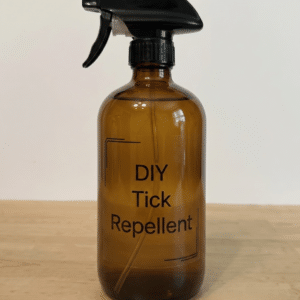
DIY Tick Repellent
Equipment
Ingredients
- 1 cup distilled water
- 1/2 cup witch hazel
- 1 tablespoon vegetable glycerin optional
- 15 drops cedarwood essential oil
- 10 drops eucalyptus essential oil
- 10 drops peppermint essential oil
- 10 drops lavender essential oil
Instructions
- Add the witch hazel to a 16-ounce spray bottle.
- Add the essential oils and shake to combine.
- Add the distilled water and glycerin.
- Shake well before each use.
To Use
- Spray on shoes, socks, pant legs, garden gloves, and outdoor clothing.
- Reapply every 1–2 hours when outdoors.
- Shake before each use since the oils will naturally separate.
Notes
Avoid eyes, face, and broken skin.
Do not spray directly on pets.
Test on a small area of fabric first.
Always perform a tick check after spending time outdoors.



Leave a Reply