

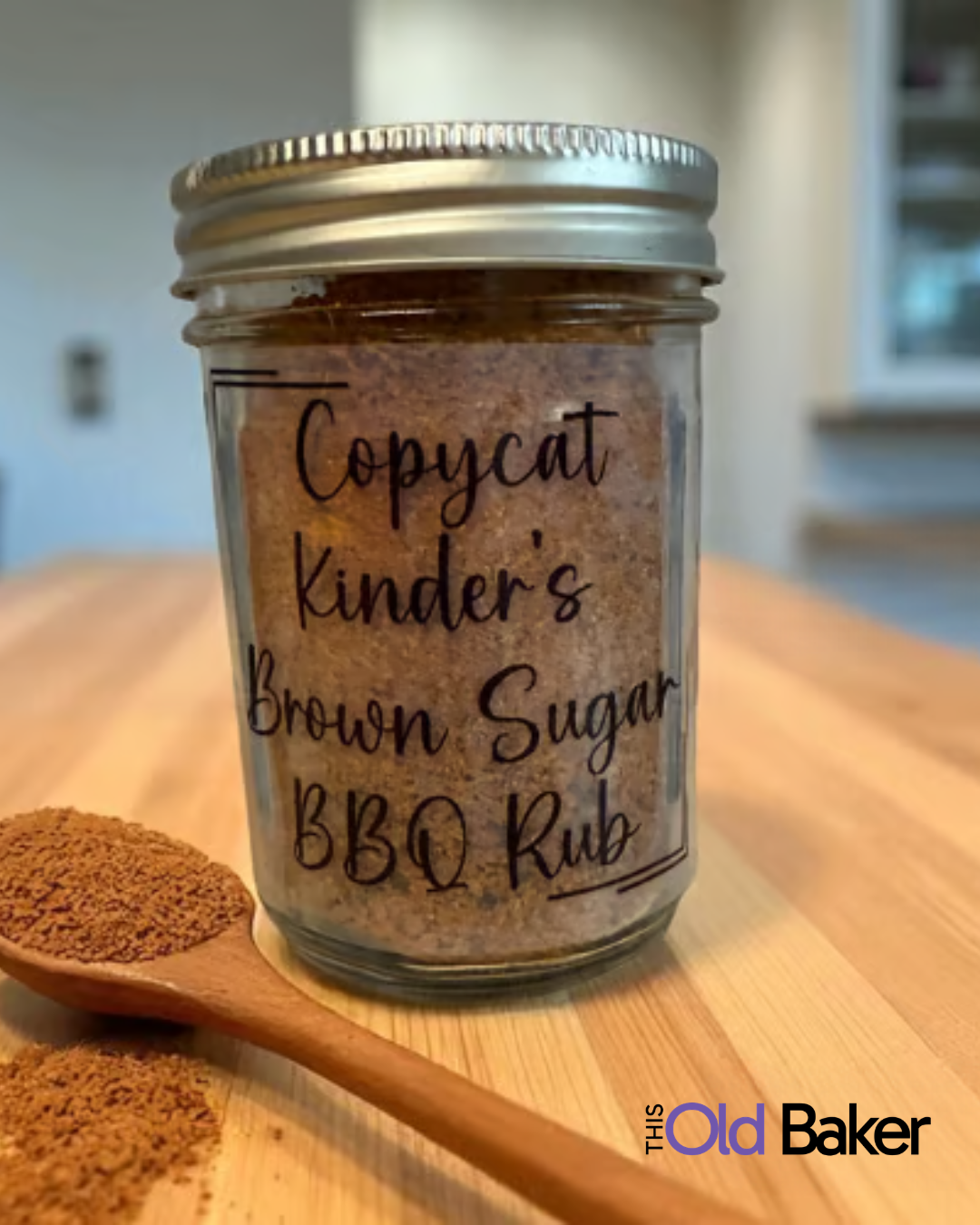
Brown sugar BBQ rubs work because of chemistry. When brown sugar hits direct heat, the molasses in it undergoes caramelization and the Maillard reaction simultaneously, creating that dark, lacquered crust on ribs and chicken that tastes sweet and smoky and slightly bitter at the edges in exactly the right way. Kinder’s bottled that logic into a blend that balances the sweetness with enough savory and smoke to keep it from tasting like dessert.
Making it at home means you can dial in the sweetness, control the salt, and always have a full jar — which matters when you’re rubbing down a rack of ribs and realize you’re three tablespoons short of what you need.
What Separates This from Kinder’s Hickory Brown Sugar Rub
Both blends are in the sweet-smoky category but they land differently. The Brown Sugar BBQ Rub leads with sweetness — the molasses quality of brown sugar is front and center, with smoked paprika and spices playing a supporting role. The Hickory Brown Sugar leans harder into the smoke, with hickory-style flavor doing more of the work. If you’re grilling chicken thighs or glazing ribs and want that caramelized BBQ sweetness to be the main event, this is the rub. If you want something that tastes more slow-smoked even when it’s oven-roasted, reach for the Hickory.
The Role of Each Ingredient
Brown sugar is the foundation and does the most work — caramelizes on the surface, balances the savory spices, and drives the crust formation. Dark brown sugar gives you deeper molasses flavor; light brown sugar is milder. Either works, but dark is closer to the BBQ pitmaster tradition.
Smoked paprika adds the smoke layer without requiring a smoker. Garlic powder and onion powder build the savory base that keeps the blend from reading as candy rub. Black pepper adds bite. Cayenne brings background heat that doesn’t dominate. Dry mustard adds a sharpness that cuts through the sweetness and keeps the profile interesting. Salt ties everything together and draws moisture to the surface of the meat before a crust forms.
How to Apply It
Pat the meat dry before rubbing — moisture on the surface prevents the rub from adhering properly and slows crust formation. Apply generously and press the rub in with your hands rather than brushing it on. For ribs and pork shoulder, wrap in plastic after rubbing and let it sit in the refrigerator for at least an hour, up to overnight. The salt draws out moisture and then pulls it back in with the seasoning.
On chicken, you can apply and cook immediately for weeknight speed, or rest it in the fridge for better penetration. On burgers, mix a tablespoon into the ground beef before forming patties — it distributes the sweet-smoky flavor through the whole bite rather than just coating the outside.
Watch the Heat
Brown sugar burns faster than savory rubs. For grilling, use indirect heat for most of the cook time and move over direct heat at the end to set the crust. For oven cooking, 350 to 375 degrees gives you good caramelization without scorching. If you see the edges going too dark, tent loosely with foil. The crust is the goal — char is not.
Storage
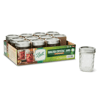
Half-pint mason jar, sealed tight, away from heat and light. Brown sugar can clump with humidity — break it up with a fork before using if the jar has been sitting. Up to 12 months, though the smoked paprika fades first. Smell the jar before using; if the smoke note is weak, make a fresh batch.
Frequently Asked Questions
What is Kinder’s Brown Sugar BBQ Rub made of?
Kinder’s Brown Sugar BBQ Rub contains brown sugar, salt, spices, garlic, paprika, and natural smoke flavor. This homemade version uses brown sugar, smoked paprika, garlic powder, onion powder, black pepper, cayenne, dry mustard, and salt — pantry staples that replicate the sweet, smoky, caramelizing BBQ rub profile of the original.
What’s the difference between Brown Sugar BBQ Rub and Hickory Brown Sugar Rub?
The Brown Sugar BBQ Rub leads with sweetness — the brown sugar caramelizes forward and drives the crust character, with smoke as a supporting note. The Hickory Brown Sugar Rub leads with smoke — the hickory-style flavor is more prominent, making it taste more like something came off a real smoker. Use Brown Sugar BBQ when you want that glossy, caramelized BBQ sweetness as the main event; use Hickory when you want a more smoke-forward result.
Can I use this rub on vegetables?
Yes — it works especially well on sweet potatoes, corn, cauliflower, and carrots where the sweetness in the rub complements the natural sugars in the vegetable. Toss with olive oil and apply the rub before roasting at 375 to 400 degrees. Watch the oven since the sugar can catch faster on vegetables than on meat with more fat to buffer it.
Why is my BBQ rub burning on the grill?
Brown sugar burns at lower temperatures than most savory spice rubs. Grill over indirect heat for most of the cook time and only move over direct heat at the end to set the crust. If cooking in the oven, stay at or below 375 degrees. If edges are going too dark, tent loosely with foil and reduce heat slightly.
How long should I leave BBQ rub on before cooking?
At minimum 30 minutes at room temperature, but ideally one to four hours refrigerated. For ribs and pork shoulder, overnight in the refrigerator gives you the deepest flavor penetration as the salt draws moisture out and pulls it back in with the seasoning. For chicken, one to two hours is sufficient for weeknight cooking.
Copycat Kinder’s Brown Sugar BBQ Rub
Equipment
Ingredients
- ½ cup packed brown sugar
- 3 tablespoons smoked paprika
- 2 tablespoons coarse kosher salt
- 1 tablespoons black pepper
- 1 tablespoons garlic powder
- 1 tablespoons onion powder
- 2 tsp chili powder
- 1 tsp ground mustard
- 1 tsp ground cumin
- ½ tsp cayenne pepper optional for a kick
Instructions
- Stir or whisk ingredients together until well blended.
- Store in a half-pint mason jar with a tight lid in a cool, dry place.
- To use: Sprinkle generously over chicken, pork, ribs, or even roasted veggies before grilling, smoking, or baking.


Leave a Reply