

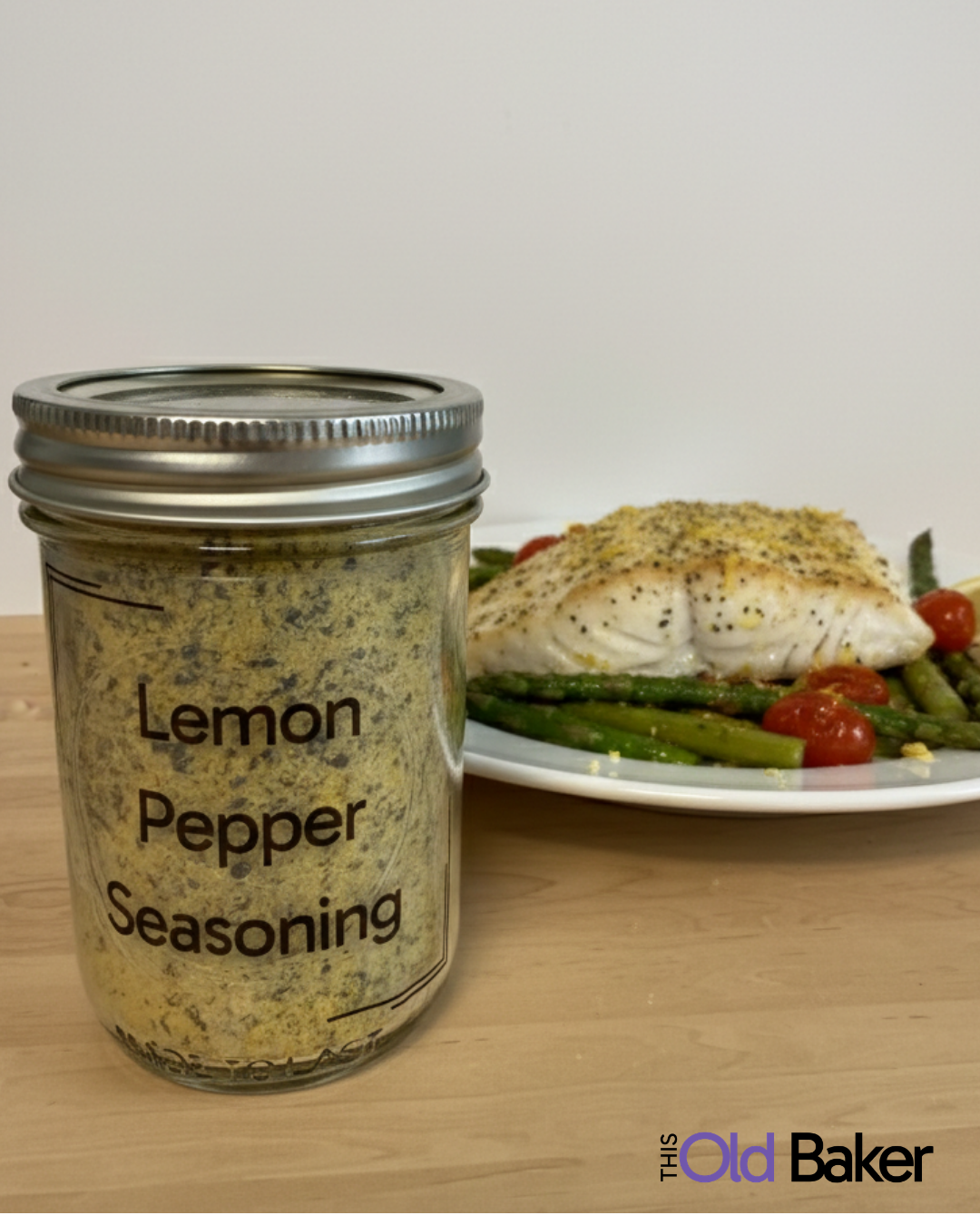
Lemon Pepper Seasoning is one of those pantry staples that quietly transforms everyday meals into something bright, bold, and crave-worthy without requiring a long list of ingredients or complicated techniques.
There’s a reason this classic blend has stood the test of time. It delivers sharp citrus notes, warm peppery bite, and savory depth in one simple shake. It feels fresh but comforting. Light but powerful. And when you’re building a practical, well-stocked kitchen, it earns its place right beside your salt, garlic powder, and paprika.
Let’s talk about why.
What Makes Lemon Pepper So Addictive?
At its core, lemon pepper seasoning balances two bold personalities: citrus and spice.
The lemon element brings brightness — that clean, tangy pop that wakes up rich foods. The black pepper adds warmth and subtle heat without overwhelming. When blended well, the two create contrast and harmony at the same time.
But a great lemon pepper blend doesn’t stop there.
Most versions also include garlic, onion, and salt to round things out. Those savory notes keep the citrus from tasting sharp or sour. They anchor the blend and make it versatile enough to move from chicken to vegetables to seafood without missing a beat.
It’s not just about flavor — it’s about balance.
Customizing the Flavor Profile
One of the most beautiful things about lemon pepper seasoning is how easily it can be customized.
Want It Brighter?
Increase the lemon peel or lemon powder. A finer grind will intensify the citrus flavor and distribute it more evenly across food.
Want It Bolder?
Use coarse cracked black pepper for a more noticeable bite and texture. This works especially well for grilled meats and roasted vegetables.
Prefer Low-Sodium?
Reduce or omit salt entirely and rely on the citrus and aromatics to carry the flavor. Lemon naturally enhances savory notes, so you may find you need less salt than you think.
Love Heat?
Add a pinch of cayenne or crushed red pepper flakes for a subtle kick. The citrus makes the heat feel lively rather than heavy.
Going Herbal?
A touch of dried parsley or thyme can add a gentle green note without overpowering the citrus base.
This flexibility is what makes lemon pepper such a smart pantry blend. It adapts to your cooking style instead of forcing you into one.
Why Lemon Pepper Works So Well
There’s a little kitchen science at play here.
Citrus brightens flavor perception. When you add lemon notes to food, it heightens other flavors and cuts through richness. That’s why lemon pairs so beautifully with butter, oil, and fatty meats.
Black pepper stimulates warmth without the sharp burn of chili powder. It enhances savory depth rather than dominating.
Together, they make food taste “finished.” Even simple dishes feel more intentional.
That’s the secret behind why lemon pepper chicken tastes like something you ordered out — even though it was baked on a Tuesday night with pantry staples.
Best Uses for Lemon Pepper Seasoning
Lemon pepper seasoning is incredibly versatile. Here are some of its strongest roles in the kitchen:
Chicken
Perhaps the most iconic pairing. Sprinkle generously over chicken breasts, thighs, or wings before roasting or grilling. The citrus keeps the meat tasting fresh while the pepper creates a savory crust.
Seafood
Fish and shrimp benefit beautifully from lemon pepper. It enhances natural sweetness without overpowering delicate flavors. Pair it with butter or olive oil for a simple but elegant finish.
Vegetables
Roasted broccoli, asparagus, zucchini, or green beans come alive with a dusting of lemon pepper. The citrus lifts earthy vegetables and makes them taste lighter.
Pasta & Rice
A pinch stirred into buttered noodles or fluffy rice instantly adds depth. It pairs especially well with creamy sauces.
Eggs
Deviled eggs, scrambled eggs, or omelets gain a bright twist from a light sprinkle.
Salad Dressings
Mix into olive oil and vinegar for a quick, citrus-forward dressing without needing fresh lemon juice.
Popcorn
Yes — even popcorn. A tiny dash brings a savory, tangy edge that feels gourmet but effortless.
Lemon Pepper for Grilling Season
If you grill regularly, lemon pepper deserves a front-row seat in your spice lineup.
The citrus notes stand up well to high heat and smoke. They prevent grilled meats from tasting flat or overly heavy. When applied before grilling, the pepper helps create a flavorful crust.
It’s especially strong on:
- Grilled chicken skewers
- Pork chops
- Salmon fillets
- Shrimp kabobs
Pair it with a drizzle of olive oil and you’ve got a simple marinade that doesn’t require refrigeration time or prep work.
Using Lemon Pepper in Everyday Cooking
One of the greatest strengths of lemon pepper seasoning is how approachable it is. You don’t need a special occasion to use it.
It turns:
- Boring baked chicken into a weeknight win
- Plain roasted potatoes into something craveable
- Steamed vegetables into something the family actually wants to eat
It’s also ideal for meal prep. A batch of lemon pepper-seasoned chicken can be used throughout the week in wraps, salads, and rice bowls without feeling repetitive.
Lemon Pepper and Budget Cooking
When you’re cooking from the pantry, flavor variety matters.
You can eat chicken five times in one week — but if the seasoning changes, it doesn’t feel like leftovers. Lemon pepper offers a completely different profile from taco seasoning, Italian blends, or smoky BBQ flavors.
Because it relies on dried ingredients, it stores well and reduces food waste compared to fresh lemons that may spoil before being used.
That makes it not only flavorful but practical.
Texture Matters
The grind size you choose changes the experience.
- Coarse pepper creates visible texture and bold bursts of flavor.
- Fine grind blends smoothly and distributes evenly.
- Finely ground lemon powder delivers stronger citrus in every bite.
If you prefer a softer finish, pulse your blend briefly in a spice grinder. For a rustic look and more dramatic flavor pops, keep it coarse.
Storing for Freshness
Like most dried blends, lemon pepper seasoning is best stored:
- In an airtight jar
- Away from heat and light
- In a cool pantry
While it can technically last a year or more, citrus oils fade over time. For the brightest flavor, aim to refresh it within six months.
If the aroma no longer smells lively and lemony when you open the jar, it’s time to replenish.
Elevating Simple Dishes
Lemon pepper shines when paired with butter, olive oil, or creamy elements. The richness softens the citrus while the pepper cuts through heaviness.
Try finishing dishes with a final light sprinkle just before serving. That last-minute touch boosts aroma and makes the flavor feel intentional.
Even a simple baked potato can feel upgraded with butter and a pinch of lemon pepper.
A Small Jar with Big Impact
In a well-stocked pantry, not every seasoning needs to be exotic or complicated. Sometimes the blends that deliver the most value are the ones built on classic pairings.
Lemon Pepper Seasoning proves that simple ingredients, thoughtfully balanced, can create bright, craveable flavor across countless meals.
It’s fresh without being fussy. Bold without being overwhelming. Practical without being boring.
And once it earns a permanent place in your spice cabinet, you’ll start reaching for it more often than you ever expected.

Lemon Pepper Seasoning
Ingredients
- ¼ cup cracked black pepper medium grind
- 2 tablespoons dried lemon peel
- 1 tablespoon lemon powder or extra peel, ground finer
- 1 tablespoon garlic powder
- 2 teaspoons onion powder
- 2 teaspoons fine sea salt
Instructions
- Add all ingredients to a bowl and whisk well, or funnel directly into a jar and shake thoroughly until evenly blended. The lemon and pepper should be well distributed—no clumps, no hot spots.
- How to Use
- Chicken & Wings: 1–1½ Tbsp per pound
- Fish & Shrimp: Light sprinkle before cooking, more after
- Veggies: Toss with oil + seasoning before roasting
- Popcorn & Fries: Sprinkle while hot
- Butter Boost: Mix into softened butter for lemon pepper butter




Leave a Reply