

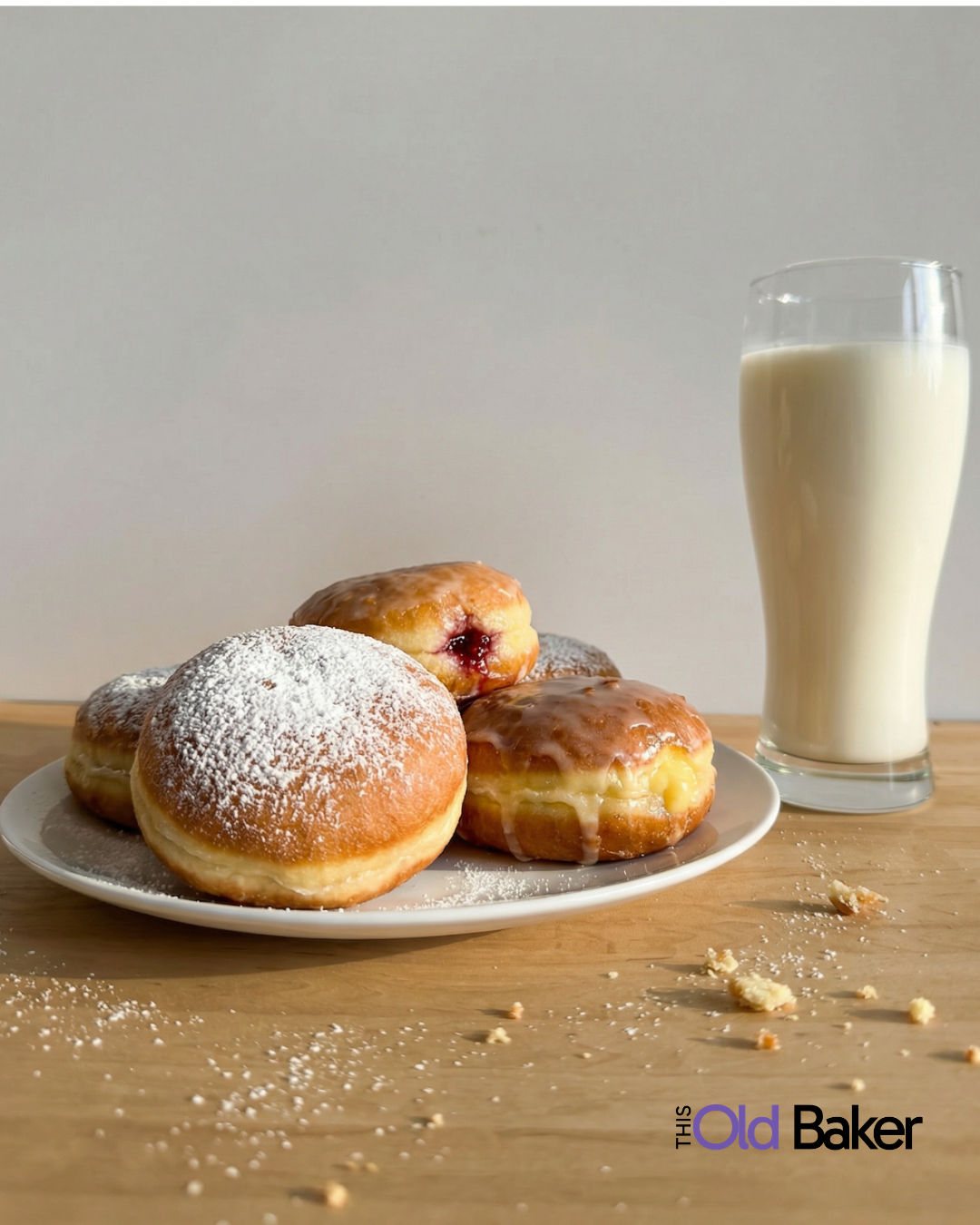
Homemade Paczki (Polish Pasty) are the soft, sugar-dusted signal that comfort season has officially arrived. The moment they appear in bakery cases and church kitchens, you know something special is happening. They aren’t just pastry. They’re tradition, celebration, and a little bit of indulgence wrapped in pillowy dough.
A Beloved Pre-Lenten Tradition
Paczki (pronounced poonch-kee) are a cherished Polish treat traditionally enjoyed before the start of Lent. Across the United States — especially in communities with strong Polish heritage like Chicago, Detroit, and Cleveland — bakeries prepare thousands in the days leading up to Fat Tuesday. In parts of the Midwest, Paczki Day feels nearly as festive as Mardi Gras in New Orleans. Lines form early. Orders are placed weeks ahead. Powdered sugar practically floats through the air.
What Makes Paczki Different?
So what sets paczki apart from an everyday pasty?
It comes down to richness. The dough is enriched with egg yolks, butter, and often a splash of cream or spirits. That extra fat creates a tender, almost brioche-like crumb that feels indulgent from the very first bite. They’re fried until deeply golden, then generously filled before being finished with powdered sugar or a roll in fine granulated sugar.
This isn’t a light pastry. It’s meant to be celebratory.
More Than a Treat — It’s a Moment
Beyond texture and flavor, paczki remain popular because they mark a seasonal turning point. They represent celebration before a season of restraint. They are nostalgic. For many families, making them at home means flour dusting the counter, jam jars open, and laughter echoing in the kitchen.
Homemade Paczki (Polish Pasty) aren’t just about the final product — they’re about the experience.
The scent of warm oil and sweet dough fills the house. The anticipation builds as the rounds puff beautifully in the fryer. When you pipe in the filling and dust them with sugar, there’s a quiet pride that no bakery box can replicate.
Endless Filling Possibilities
One reason paczki remain so beloved is their flexibility. The traditional filling is rosehip jam — fragrant and deeply rooted in Polish heritage. Raspberry and strawberry are popular favorites. Lemon curd adds brightness. Custard brings creamy richness. Prune butter, though surprising to some, is beautifully authentic.
Modern bakeries have expanded the flavor list even further. Chocolate ganache. Salted caramel. Nutella. Cookies and cream. Cheesecake-style fillings. The possibilities allow every household to create their own tradition.
You can even create a paczki platter with multiple fillings for gatherings — a little something for everyone.
The Finishing Touch
The outside offers room for creativity too. Powdered sugar is classic and timeless. Granulated sugar adds a subtle crunch. Some opt for a thin glaze. Others dip the tops in chocolate. A touch of citrus zest in the sugar adds a fragrant lift.
That adaptability makes Homemade Paczki (Polish Pasty) approachable in modern kitchens. You can lean traditional or playful without losing the heart of the treat.
Simple Ingredients, Rich Results
Another reason paczki continue to shine? The ingredients are humble. Flour, sugar, eggs, milk, butter. Nothing complicated. No specialty items required. It’s pantry baking elevated by technique and tradition.
Yes, there is rising time. Yes, frying requires attention. But the reward is a golden pastry that feels bakery-worthy without leaving home.
The Joy of Frying
There is something undeniably satisfying about frying dough. Watching pale rounds turn golden and puffed feels almost magical. The gentle sizzle. The careful flip. The glistening finish before the sugar coat goes on.
It’s hands-on. It slows you down. It reminds you that good food takes a little patience.
In a world of convenience, paczki invite you to pause.
The Power of Seasonality
Part of their charm lies in their limited appearance. Paczki are not everyday pastries. They arrive briefly, make a grand impression, and then retreat until next year. Much like pumpkin pie in autumn or sugar cookies in December, their rarity makes them more meaningful.
When something only comes once a year, it carries anticipation.
Heritage and Community
For families with Polish roots, paczki are woven into cultural identity. Stories are passed down from grandparents. Church groups host sales. Community centers celebrate with music and coffee. Food becomes memory. Memory becomes tradition.
Yet you don’t need Polish ancestry to appreciate them. Their popularity has spread far beyond heritage neighborhoods. Many discover paczki simply because they love rich pastries — and then stay for the story behind them.
Making It an Event
If you’re making Homemade Paczki (Polish Pasty) for the first time, treat it as an occasion. Clear your counter. Turn on music. Invite someone to help fill them. Enjoy the process.
Because that’s what this bake is really about.
Customizing for Today’s Kitchen
Prefer smaller portions? Cut slightly smaller rounds. Hosting brunch? Offer multiple fillings. Want something lighter? Focus on fruit-based centers and skip heavy glazes.
They can be adapted without losing their spirit.
Fresh Is Best
Paczki are best enjoyed the day they’re made. Warm dough, fresh filling, soft sugar dusting — that’s when they truly shine. That freshness is part of what keeps people lining up at bakeries year after year.
And let’s be honest — powdered sugar on your fingertips is part of the charm.
Why They Remain So Popular
Homemade Paczki (Polish Pasty) endure because they combine indulgence, tradition, customization, and community in one golden bite. They signal celebration. They invite sharing. They make kitchens feel alive.
Whether you’re honoring family history or starting a new tradition of your own, paczki have a way of making the season feel sweeter, warmer, and more meaningful.
And truly, any treat that leaves a little powdered sugar on the counter and jam on your fingers once a year is worth celebrating.
Homemade Paczki (Polish Pastry)
Ingredients
For the Dough
- 2 ¼ teaspoons active dry yeast 1 packet
- ¾ cup warm milk about 110°F
- ¼ cup sugar
- 2 tablespoons melted butter
- 2 egg yolks room temp
- ½ teaspoon vanilla extract
- ½ teaspoon salt
- 2 ½ –3 cups all-purpose flour
For Frying
- Vegetable oil about 2–3 inches deep in a pot
For Filling
- Raspberry jam strawberry jam, lemon curd, or pastry cream
For Finishing
- Powdered sugar traditional
- OR
- Granulated sugar for rolling
Instructions
- Activate the Yeast
- In a bowl, stir together warm milk, yeast, and a pinch of sugar. Let sit 5–10 minutes until foamy.
Mix the Dough
- Add sugar, melted butter, egg yolks, and salt. Stir to combine.
- Gradually mix in flour until a soft dough forms. It should be slightly tacky but not sticky.
Knead
- Knead for 5–7 minutes (stand mixer or by hand) until smooth and elastic.
First Rise
- Place in a greased bowl, cover, and let rise 60–90 minutes until doubled.
Shape
- Roll dough to about ½-inch thick. Cut into 2½–3 inch rounds.
- Place on parchment-lined tray, cover lightly, and let rise again 30–45 minutes until puffy.
Fry
- Heat oil to 350°F.
- Fry 1–2 minutes per side until deep golden brown.
- Do not crowd the pan. These need room to puff like royalty.
- Drain on paper towels.
Fill
- Once cool enough to handle, poke a hole in the side with a skewer or knife.
- Pipe in jam using a piping bag or zip-top bag with the corner snipped.
Finish
- Dust generously with powdered sugar.

Leave a Reply