

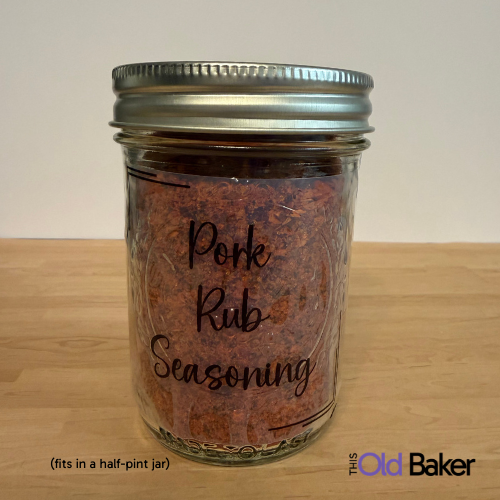
Pork Rub Seasoning is one of those quiet kitchen heroes that turns an ordinary cut of meat into something people talk about long after the plates are cleared. Whether you’re working with pork chops, tenderloin, ribs, or a slow-cooked shoulder, a well-balanced pork rub doesn’t mask the meat—it brings out everything pork already does well: richness, sweetness, and deep savory flavor.
Pork is uniquely suited for seasoning blends. It’s mild enough to take on bold flavors, but flavorful enough to hold its own. A thoughtfully crafted pork rub works by layering flavor rather than overpowering it, creating a balance of savory, sweet, salty, and aromatic notes that cling to the surface and sink in during cooking.
Why Pork Rub Seasoning Works So Well
Pork has natural sugars and fat that respond beautifully to dry seasonings. When a pork rub hits heat—whether that’s a grill, oven, smoker, or slow cooker—the spices bloom, the sugars caramelize, and the salt helps pull flavor into the meat. The result is pork that tastes deeper, fuller, and more intentional.
A good pork rub seasoning enhances flavor in three key ways:
First, it amplifies pork’s natural sweetness. Many pork rubs include ingredients that complement rather than compete with that subtle sweetness, helping the meat taste richer without tasting sugary.
Second, it builds a savory crust. As pork cooks, the rub forms a seasoned outer layer that delivers concentrated flavor in every bite. This is especially noticeable on grilled or roasted cuts where browning plays a role.
Third, it adds aroma. Spices and herbs release fragrance as they heat, and aroma is a huge part of how we experience flavor. A pork rub makes the kitchen smell like something worth gathering around.
Flavor Profiles That Shine on Pork
Pork rub seasoning is incredibly versatile because pork itself works across so many cuisines and cooking styles. Depending on how the rub is balanced, it can lean smoky, savory, slightly sweet, or warmly spiced.
Smoky-forward pork rubs pair beautifully with ribs, pulled pork, and grilled chops. These blends bring depth and a backyard-barbecue feel without requiring a smoker.
Savory herb-style pork rubs work well for roasts and tenderloins, enhancing the meat without stealing the spotlight. These are perfect for Sunday dinners or simple weeknight meals where pork is the star.
Sweet-and-savory blends are ideal for caramelization, especially when roasting or air frying. They help pork develop that golden, crave-worthy exterior while staying juicy inside.
The magic of pork rub seasoning is that it adapts to the cooking method while keeping the flavor grounded and familiar.
How Pork Rub Seasoning Enhances Texture
Flavor isn’t the only thing a pork rub improves. The right balance of salt and spices can actually improve texture, especially when seasoning is done ahead of cooking.
Salt draws a small amount of moisture to the surface of the pork, dissolves, and then pulls that seasoned moisture back into the meat. This process helps pork stay juicy and evenly seasoned, rather than bland inside and salty outside.
On cuts like pork chops or tenderloin, this means a more tender bite. On slow-cooked pork, it means meat that tastes seasoned all the way through instead of just on the surface.
Pantry-Friendly and Budget-Smart
One of the biggest advantages of pork rub seasoning is how economical it is. Pork is often one of the most affordable proteins at the store, and a homemade-style rub stretches that value even further by turning inexpensive cuts into standout meals.
Keeping a pork rub seasoning on hand means:
- No last-minute seasoning panic
- Less reliance on bottled sauces
- More flavor from pantry staples
- Better results from budget-friendly cuts
It’s the kind of pantry mix that earns its spot on the shelf because it works hard without asking for much.
Versatility Beyond Pork
Despite the name, pork rub seasoning doesn’t have to stay in a pork-only lane. Many blends that work beautifully on pork also shine elsewhere in the kitchen.
Sprinkle it on roasted vegetables for extra depth. Use it to season potatoes before roasting or air frying. Stir a small amount into breadcrumbs for a seasoned coating. Even eggs or breakfast hash can benefit from a pinch of a well-balanced pork rub.
This versatility makes pork rub seasoning one of those “reach-for-it-again” blends that quietly becomes part of your cooking rhythm.
Cooking Methods That Love Pork Rub Seasoning
Pork rub seasoning adapts to nearly every cooking method, which is why it’s such a staple.
On the grill, it creates a flavorful crust and stands up to high heat. In the oven, it caramelizes and perfumes the kitchen. In the slow cooker, it infuses the meat over hours, building deep flavor without any extra effort. In an air fryer, it delivers big flavor fast, perfect for weeknight pork chops or tenderloin.
No matter the method, pork rub seasoning provides consistency. You know what you’re getting, and that reliability is priceless in a busy kitchen.
Make-Ahead Flavor That Saves Time
One of the most underrated benefits of pork rub seasoning is how it supports make-ahead cooking. Season pork in advance, refrigerate it, and cook when ready. The flavor improves with time, not the other way around.
For freezer meals, pork rub seasoning is especially helpful. Seasoned pork freezes well and cooks up tasting intentional rather than rushed. That’s a big win for meal prep, batch cooking, and anyone trying to stay ahead of the dinner curve.
Why Pork Rub Seasoning Belongs in a Well-Stocked Pantry
A good pantry isn’t about having everything—it’s about having the right things. Pork rub seasoning earns its place because it delivers maximum impact with minimal effort.
It reduces decision fatigue. It simplifies meal planning. It helps you cook confidently even when the fridge looks sparse. And it turns “just pork” into something worth sitting down for.
That’s the heart of good seasoning: not flash, not fuss—just dependable flavor that shows up every time.
Final Thoughts on Pork Rub Seasoning
Pork rub seasoning is more than a spice blend—it’s a flavor strategy. It enhances pork’s natural strengths, improves texture, and brings consistency to everyday cooking. From quick weeknight meals to slow-cooked comfort food, it bridges the gap between simple ingredients and memorable meals.
If you’re building a pantry that works as hard as you do, pork rub seasoning is one of those quiet staples that proves its value again and again—no recipe required, just good food made better.

Pork Rub Seasoning
Equipment
Ingredients
- 6 Tbsp brown sugar packed
- ¼ cup paprika sweet or smoked
- 3 Tbsp kosher salt
- 2½ Tbsp garlic powder
- 2½ Tbsp onion powder
- 2 Tbsp black pepper
- 1½ tsp crushed red pepper flakes adjust to taste
Instructions
- Whisk all ingredients together thoroughly, breaking up any brown sugar lumps. Measure to confirm a 1-cup total yield, then transfer to a jar or airtight container. Seal and shake well to evenly distribute.
How to Use
- Pork chops / tenderloin: 1–1½ Tbsp per pound
- Roasts / pulled pork: 2–3 Tbsp total
- Ribs: Apply generously with a light oil or mustard binder
Notes
Pork Rub Seasoning — No Sugar Option
(1 cup yield) This version keeps the savory depth and gentle heat without sweetness. Perfect for folks avoiding sugar or pairing pork with sweet sides or sauces.Ingredients
- ⅓ cup paprika (sweet or smoked)
- ¼ cup kosher salt
- 3 Tbsp garlic powder
- 3 Tbsp onion powder
- 2 Tbsp black pepper
- 1½ tsp crushed red pepper flakes
Notes
- Flavor leans savory and smoky rather than caramelized.
- Excellent for slow cooker pork, roasts, and chops.
- Add sweetness later with sauce or glaze if desired.
Pork Rub Seasoning — Low Sodium Option
(1 cup yield) Designed to keep bold flavor while reducing salt. Ideal for salt-sensitive diets or when pairing with salty sides.Ingredients
- 6 Tbsp brown sugar, packed
- ¼ cup paprika
- 1½ Tbsp kosher salt
- 3 Tbsp garlic powder
- 3 Tbsp onion powder
- 2 Tbsp black pepper
- 1½ tsp crushed red pepper flakes
Notes
- Cuts salt roughly in half while keeping balance.
- Works beautifully on grilled pork, ribs, and tenderloin.
- Can always finish with salt at the table if needed.


Leave a Reply