

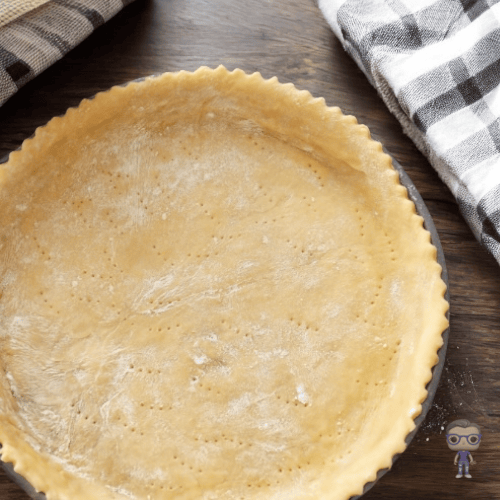
When it comes to pie crusts, the choices can be overwhelming. Traditional pastry crusts, graham cracker bases, and even cookie crusts all have their place in the world of baking. But if you’re looking for a crust that’s rich, buttery, and slightly sweet, a shortbread pie crust is the perfect solution. This versatile crust is easy to make, pairs beautifully with a variety of fillings, and adds a delicate crunch that enhances any dessert.
Why Choose a Shortbread Pie Crust?
Shortbread pie crust is a game-changer for home bakers. Unlike traditional pie crusts that require rolling and chilling, shortbread crusts are typically pressed directly into the pan, making them an excellent option for beginners and experienced bakers alike. The simplicity of shortbread—a mix of butter, sugar, and flour—results in a rich, crumbly texture that holds up well to creamy, fruity, or chocolatey fillings.
This type of crust is particularly ideal for tarts and cheesecakes, where a crisp yet tender base enhances the overall dessert. Its slight sweetness also complements fillings that lean toward the tart or tangy side, such as lemon curd, berry compotes, or citrus-based custards.
The Unique Texture and Flavor of Shortbread Crust
One of the standout characteristics of a shortbread pie crust is its texture. While traditional pastry crusts aim for a flaky, layered structure, shortbread crusts are crumbly and slightly firm. This allows them to hold up well under rich, heavy fillings, making them perfect for tarts, cheesecakes, and even no-bake desserts.
Flavor-wise, shortbread crusts are delightfully buttery with a hint of sweetness. The simplicity of the ingredients allows the natural richness of the butter to shine, creating a melt-in-your-mouth experience. You can also enhance the flavor with additional ingredients like vanilla, almond extract, or even citrus zest to complement specific fillings.
Best Uses for Shortbread Pie Crust
Because of its rich, buttery nature, a shortbread pie crust works exceptionally well with certain types of pies and tarts. Here are some of the best desserts to pair with this delicious crust:
- Fruit Tarts: The crisp texture of a shortbread crust pairs beautifully with fresh berries, citrus curds, or stone fruit fillings.
- Cheesecakes: Unlike traditional graham cracker crusts, a shortbread crust adds a more refined, buttery taste to cheesecakes.
- Chocolate Ganache Tarts: The contrast between a crumbly shortbread base and a silky chocolate filling is truly irresistible.
- Custard Pies: The richness of a shortbread pie crust complements smooth, creamy custards and pastry creams.
- No-Bake Pies: Since shortbread crusts hold their shape well, they’re a great choice for chilled, no-bake desserts like mousse pies and icebox cakes.
Tips for Making the Perfect Shortbread Pie Crust
While shortbread pie crust is simple to make, there are a few key tips to ensure success:
- Use High-Quality Butter: Since butter is the star ingredient in shortbread, using a high-quality, full-fat butter will result in a richer flavor and better texture.
- Don’t Overwork the Dough: Unlike traditional pie crusts that require careful handling for flakiness, shortbread crusts should be mixed until just combined to maintain their tender texture.
- Press, Don’t Roll: Instead of rolling out the dough, press it evenly into your pie or tart pan using your fingertips or the bottom of a measuring cup.
- Pre-Bake for Stability: Many recipes call for pre-baking (or blind-baking) a shortbread crust before adding the filling. This step ensures that the crust holds its shape and doesn’t become soggy.
- Experiment with Flavors: Adding a touch of cinnamon, nutmeg, or citrus zest can elevate the flavor of your crust and complement your chosen filling.
Shortbread Pie Crust Variations
While a classic shortbread pie crust is a tried-and-true favorite, there are several variations you can try to customize it to your taste:
- Nutty Shortbread Crust: Add finely ground almonds, pecans, or walnuts for extra flavor and texture.
- Chocolate Shortbread Crust: Incorporate cocoa powder into the dough for a chocolatey twist, perfect for pairing with vanilla or caramel fillings.
- Gluten-Free Shortbread Crust: Use a high-quality gluten-free flour blend to make this crust accessible to those with dietary restrictions.
- Spiced Shortbread Crust: Add warm spices like cinnamon, ginger, or cardamom to enhance fall-inspired pies and tarts.
How to Store Shortbread Pie Crust
A shortbread pie crust can be made in advance, making it a great option for busy bakers. Here’s how to store it:
- Unbaked Dough: Wrap the dough tightly in plastic wrap and refrigerate for up to 3 days. You can also freeze it for up to a month—just thaw it in the refrigerator before using.
- Pre-Baked Crust: Store a fully baked crust at room temperature for up to two days or freeze it for longer storage. Wrap it well to prevent it from absorbing odors or becoming stale.
Elevate Your Baking with a Homemade Shortbread Crust
Making a homemade shortbread pie crust is a simple way to add depth and richness to your favorite desserts. Its buttery, slightly sweet flavor enhances everything from fresh fruit tarts to decadent cheesecakes, and its easy preparation makes it a fantastic alternative to traditional pie crusts. Whether you’re baking for a special occasion or just treating yourself to something delicious, a shortbread crust is sure to impress.
So the next time you’re planning a dessert, consider swapping out your usual pie crust for a homemade shortbread version—you may just find it becomes your new go-to for tarts, cheesecakes, and more!
Shortbread Pie Crust
Ingredients
- 5 tablespoons unsalted butter softened
- 3 tablespoons sugar
- 2 large egg yolks
- 1 1/2 cups all-purpose flour
- 1/2 teaspoon salt
Instructions
- Preheat oven to 375 degrees. Stir together butter and sugar in a medium bowl. Stir in yolks. Add flour and salt, and stir or mix with hands until mixture is dry and crumbly. Press dough into bottom and up sides in a pie pan or tart pan. Set aside if using for a baked pie. For a pre-cooked pie shell, bake 20-22 minutes until edges are golden brown. Let cool on wire rack.


Leave a Reply