


There’s something deeply satisfying about a clean kitchen—the kind that gleams under the light and smells fresh without being overwhelming. One of the easiest ways to get there is with Kitchen Degreaser Spray, a quick, no-fuss cleaner you can mix up in minutes using everyday ingredients. Whether it’s splatters on your stovetop, greasy fingerprints on cabinet doors, or that mysterious film that seems to appear overnight on appliances, this spray cuts through it all with ease.
But as easy and effective as it is, it’s important to know one thing up front: do not use it on granite, marble, or other natural stone surfaces. We’ll talk more about why in a moment. For now, let’s dive into why this simple DIY cleaner is one of the best tools in your pantry.
Your kitchen degreaser (vinegar + dish soap + lemon essential oil) is safe for sealed, semi-gloss, or high-quality painted cabinets, but it can dull or soften cheaper paint finishes, especially:
- chalk paint
- matte paint
- older paint that’s already wearing thin
- paint without a protective topcoat
Why the caution?
- Vinegar is acidic, and repeated use can gradually break down paint sheen.
- Essential oils can sometimes lift soft or older paint if they’re too concentrated.
- Dish soap is safe, but combined with vinegar becomes a little too “strippy” for delicate paint.
The safe way to use it
If your cabinets are newer, sealed, or semi-gloss:
✨ Spray on a cloth — not directly on the cabinet
✨ Wipe gently
✨ Rinse with a clean damp cloth
✨ Dry immediately
Avoid if your cabinets are:
- chalk painted
- milk painted
- matte finish
- distressed/farmhouse finish
- older paint that’s already showing wear
For those, use a mild soap + warm water instead.
Why You’ll Love a Homemade Degreaser
The kitchen is where life happens—meals, snacks, experiments, and the occasional cooking disaster. With all that activity, grease buildup is inevitable. Traditional commercial degreasers can be effective, but they often come with harsh chemicals, strong fumes, and price tags that make you wonder if they’re secretly bottled gold.
Homemade Kitchen Degreaser Spray is the perfect alternative. It’s:
- Budget-friendly: You can make a full bottle for less than a dollar using pantry staples.
- Eco-conscious: No harsh chemicals, dyes, or artificial fragrances.
- Customizable: You control the scent, strength, and ingredients.
- Quick to make: Ready in under five minutes, right when you need it.
At its core, this spray works because of a few powerful but gentle ingredients. Vinegar breaks down grease and soap residue, dish soap lifts oils and grime, and lemon essential oil adds a burst of freshness while enhancing cleaning power. Together, they create a solution that cuts through kitchen messes without heavy scrubbing.
How It Works
Grease is stubborn—it clings to surfaces and resists water because oil and water don’t mix. That’s where the ingredients in Kitchen Degreaser Spray shine.
- Vinegar is a natural acid that dissolves and loosens grease molecules, making them easier to wipe away.
- Dish soap contains surfactants, which grab onto oil particles and allow them to rinse away with water.
- Warm water dilutes everything just enough for easy spraying and helps activate the cleaning agents.
- Lemon essential oil adds a little degreasing boost of its own—citrus oils naturally break down grease—and leaves behind that classic “just cleaned” scent.
The result? A cleaner that feels light, works fast, and leaves your kitchen shining.
How to Use It
This spray isn’t just for stovetops—it’s a workhorse around the kitchen. Use it on:
- Stovetops and vent hoods
- Microwave interiors
- Refrigerator handles
- Cabinet fronts
- Backsplashes
- Kitchen sinks (stainless steel or porcelain)
Simply spray it on the greasy area, let it sit for 2–3 minutes, and wipe with a damp cloth or sponge. For tougher spots, a quick second spray or light scrub does the trick. You’ll see the shine come right back without any waxy residue or streaks.
Pro tip: for stainless steel appliances, spray onto your cloth rather than directly on the surface to avoid overspray marks.
A Friendly but Firm Warning: Keep It Off Stone
Now for the important part: while Kitchen Degreaser Spray is incredible on most kitchen surfaces, it should never be used on granite, marble, quartzite, soapstone, or any other natural stone.
Here’s why:
- Vinegar is acidic. Over time, it will etch into natural stone, dulling its shine and leaving tiny pits that collect grime.
- Dish soap and essential oils can leave a film or streaks that are nearly impossible to buff out on porous stone.
- Even diluted, the acidity in vinegar slowly eats away at the sealant protecting your countertop.
If you have natural stone, reach for a pH-neutral cleaner instead. You can make one with warm water, a few drops of mild dish soap, and a soft microfiber cloth—safe, gentle, and just as effective for daily wiping.
Smells Like Fresh Lemon, Not Chemicals
Let’s be honest—half the joy of cleaning comes from the smell. Store-bought cleaners often overpower your kitchen with artificial “lemon” scents that linger like a cheap candle. Homemade Kitchen Degreaser Spray gives you the real thing: bright, clean citrus with no harsh aftertaste.
Because you’re using pure essential oil, you get a natural scent that’s both uplifting and effective. Citrus oils—like lemon, orange, or grapefruit—aren’t just for aroma; they have natural degreasing and antimicrobial properties. That means your kitchen smells clean because it is clean, not just perfumed.
Safe, Simple, and Cost-Effective
A 16-ounce bottle of homemade Kitchen Degreaser Spray costs pennies to make and can last a month or more, depending on how often you use it. The ingredients are things most people already have on hand, and they’re safe enough to use around food prep areas when wiped clean afterward.
Unlike commercial cleaners, you don’t have to worry about harsh residues, mystery chemicals, or needing to open every window while you clean. It’s simplicity at its best—just honest, old-fashioned cleaning power from ingredients you can actually pronounce.
How to Store It
Homemade cleaners don’t contain stabilizers or preservatives, so they work best when made in small batches. Store your spray in a glass or high-quality plastic bottle—amber glass is ideal because it protects the essential oils from sunlight. Keep it in a cool, dry place, and use within about a month for maximum freshness.
Shake gently before each use since the oil and vinegar may naturally separate. A quick swirl is all it takes to remix the magic.
When to Reach for It
Kitchen Degreaser Spray is your go-to when:
- You’ve finished cooking and want to wipe down stovetops or counters.
- Bacon or frying oil leaves a film of grease on nearby surfaces.
- You spot sticky fingerprints on cabinet doors or handles.
- Your vent hood is starting to look dull or tacky.
- You’re doing a full kitchen deep clean and want an easy all-purpose helper.
It’s also handy for quick cleanups after baking or roasting—just spray, let it sit, and wipe. No scrubbing marathon required.
Beyond the Kitchen
This degreaser isn’t limited to kitchen duty, either. You can use it (carefully) on outdoor grills, trash can lids, patio furniture, or even the inside of your oven door. As long as the surface isn’t porous stone, it’ll work wonders.
It’s especially good at reviving stainless steel sinks, kettles, or coffee carafes that have dulled from hard water or grease buildup. Just remember: rinse and dry afterward to keep everything spotless.
A Cleaner You’ll Actually Enjoy Using
Cleaning might not be everyone’s favorite pastime, but there’s something oddly satisfying about watching grease disappear under your cloth. This spray makes it effortless. A few spritzes, a quick wipe, and your kitchen instantly feels fresher, lighter, and more inviting.
It’s proof that you don’t need a cabinet full of specialty products to keep your home sparkling. Just a few humble ingredients—vinegar, water, soap, and a hint of lemon—combine into one powerhouse cleaner that earns its spot on your counter.
So next time your stovetop’s looking less than shiny, skip the store-bought spray. Mix up your own Kitchen Degreaser Spray, give it a gentle shake, and let that lemony sparkle bring your kitchen back to life—just remember to keep it away from your beautiful granite.
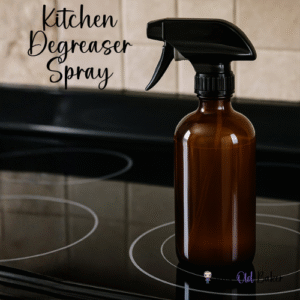
Kitchen Degreaser Spray
Equipment
Ingredients
- 1 cup warm water
- ½ cup white vinegar
- 1 teaspoon dish soap
- 10 drops lemon essential oil
Instructions
- Add all ingredients to a spray bottle.
- Gently swirl or shake to combine (avoid vigorous shaking to reduce bubbles).
- Spray directly on greasy areas and let sit 2–3 minutes.
- Wipe clean with a damp cloth for a streak-free shine.




Leave a Reply