

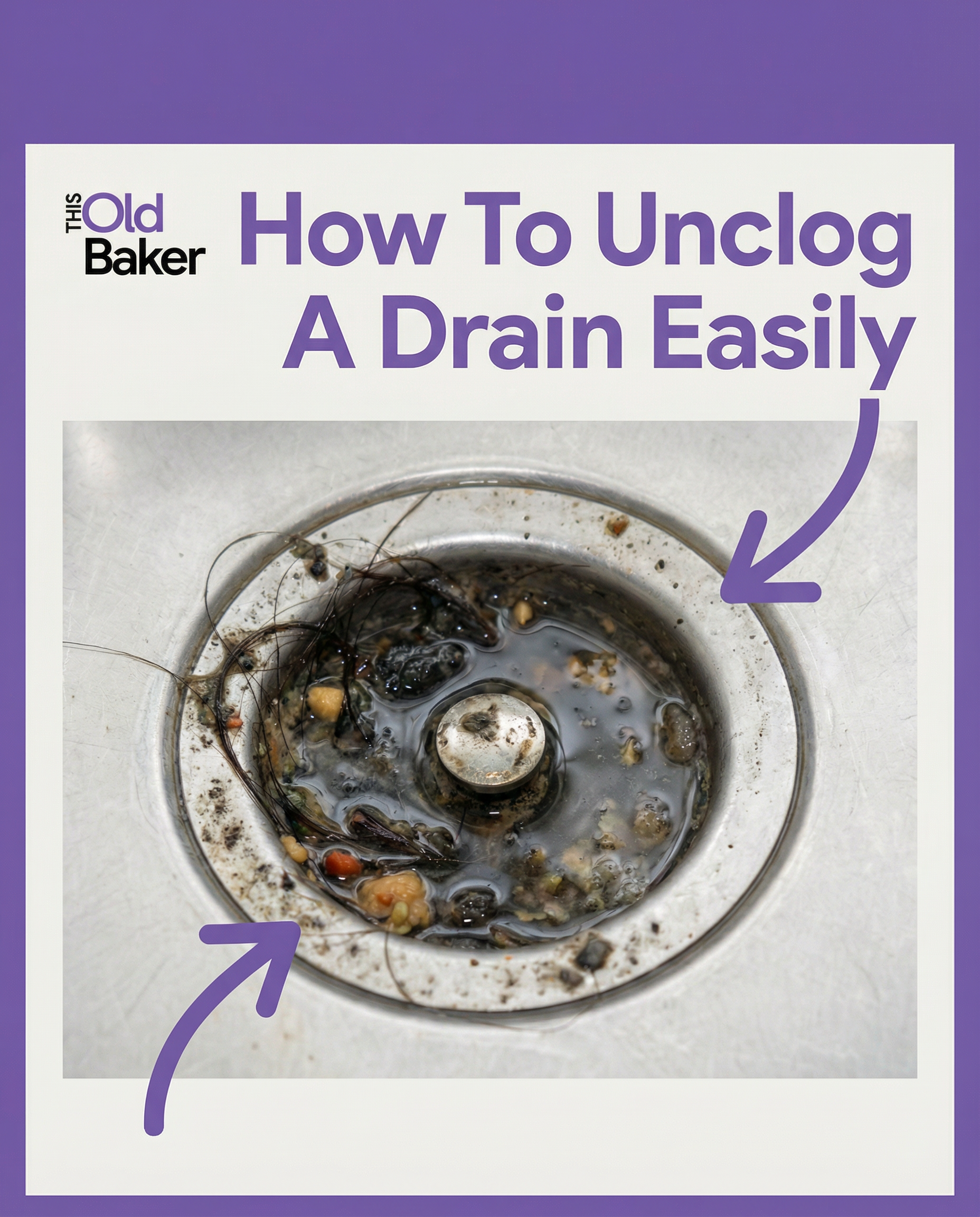
We’ve all been there — standing ankle-deep in a shower that’s turned into a mini swimming pool or staring down a slow-moving kitchen sink wondering how it went from “fine” to “ugh” overnight.
Before you reach for that neon-colored bottle of chemical drain cleaner, take a breath and step back from the fumes. You don’t need to dump toxic soup into your pipes (or the environment) to fix a clog. You can clear most drains with pantry staples, patience, and a little know-how.
Here’s how to unclog your drain — the gentle, old-fashioned way.
Step 1: Identify the Culprit
Different drains, different problems. A kitchen sink clog often means a buildup of grease or food particles. A bathroom sink or tub usually points to hair, soap scum, or a slow sediment layer.
Take a peek:
- If water drains slowly — you’re catching it early. Perfect.
- If water stands for hours — it’s a full clog, but still manageable without chemicals.
Start with what’s visible. Pull out the stopper or drain screen and clean it thoroughly. You’d be amazed at how much gunk sits right there, waiting to be lifted away.
Step 2: Try the Boiling Water Flush
Sometimes, the simplest trick works wonders.
Boil 4 to 6 cups of water.
Carefully pour it down the drain in two or three slow stages, letting it sit for a few seconds between pours.
Why it works: hot water helps melt grease, soften soap residue, and loosen minor blockages.
This alone can restore flow — especially in bathroom sinks or kitchen drains with light buildup.
Step 3: Bring Out the Baking Soda and Vinegar
This classic combo never gets old because it works. It’s gentle, safe, and surprisingly effective for mild to moderate clogs.
What you’ll need:
- ½ cup baking soda
- 1 cup white vinegar
- A kettle of boiling water
How to do it:
- Pour the baking soda directly into the drain.
- Follow with the vinegar and immediately cover the drain with a plug or a wet cloth.
- Let the fizzing magic happen for about 15 minutes.
- Finish with boiling water to flush everything through.
The fizz breaks down fatty acids and organic buildup, while the hot water sends it all packing.
Tip: add a few drops of lemon juice or essential oil for a fresh scent — it turns a cleaning chore into a mini aromatherapy session.
Step 4: Use a Plunger — the Right Way
If your drain is still slow, grab your trusty plunger. And no, not the one from the toilet — a cup-style plunger is made for sinks and tubs.
How to plunge properly:
- Fill the sink or tub with enough water to cover the plunger cup.
- Seal the overflow drain with a damp cloth (this improves suction).
- Place the plunger over the drain and push down firmly, then pull up in short, controlled bursts.
You’ll feel resistance, then a sudden release — that’s the clog breaking free.
Run hot water afterward to clear out any remaining debris.
Step 5: Snake It Out
For stubborn clogs, skip the harsh chemicals and grab a drain snake or a plastic clog remover tool. These inexpensive gadgets pull out hair and debris like magic.
- Insert the snake or tool into the drain.
- Twist or wiggle it gently until you feel resistance.
- Pull it back slowly — and try not to scream when you see what comes out.
Rinse the drain with hot water afterward.
If you don’t have a drain snake, a straightened wire hanger with a tiny hook on the end works just as well for bathroom sinks and tubs.
Step 6: Make a Natural Enzymatic Cleaner (Optional)
For ongoing maintenance or gentle cleaning, you can make a natural enzyme-based drain cleaner. It’s safe for pipes, septic systems, and the planet.
What you’ll need:
- 1 cup baking soda
- ½ cup salt
- ½ cup lemon juice
- 2 cups boiling water
Mix and pour into the drain once a month to keep things fresh and flowing.
Or, if you want to go next-level, pick up a natural enzyme cleaner like Bio-Clean or Green Gobbler Enzyme — they digest organic buildup over time without the sting of chemical fumes.
Why You Should Avoid Chemical Drain Cleaners
Those commercial cleaners promise a “15-minute miracle,” but they come with a price.
Most contain sodium hydroxide or sulfuric acid — strong enough to eat through hair and grease, yes, but also capable of corroding pipes, harming septic systems, and releasing toxic fumes.
Even worse? If they don’t clear the clog completely, the residue left behind can harden, making the next clog even tougher to fix.
And for folks who mix and store their own pantry and cleaning products, safety matters. Never mix chemical drain cleaners with vinegar or bleach — that’s how dangerous gases form.
Preventing Future Clogs
Prevention is the real secret. Here’s how to keep your drains running clear without lifting a plunger again.
In the Kitchen
- Wipe greasy pans with a paper towel before washing.
- Use a mesh sink strainer to catch food bits.
- Pour boiling water down your sink weekly to melt away buildup.
In the Bathroom
- Install a hair catcher over the shower drain.
- Once a week, pour ½ cup baking soda followed by hot water to keep residue from forming.
- Keep toothpaste caps clean and rinse sinks thoroughly — that gunk adds up fast.
A Calm, Clean Home
There’s something deeply satisfying about fixing a problem yourself — no plumber, no chemicals, no waiting. Just a few simple steps and a bit of elbow grease.
Your home should feel safe and calm — not like a chemistry lab. And when you use simple, time-tested methods, you’re protecting your pipes and the planet.
So next time the water slows to a swirl, skip the toxic quick fix and reach for your pantry staples. You’ll breathe easier — literally — and your drains will thank you.
Two-Sentence Summary:
You don’t need harsh chemicals to unclog a drain — just a little patience, baking soda, vinegar, and hot water. With these simple steps, you’ll clear clogs naturally, protect your pipes, and keep your home safe and chemical-free.




Leave a Reply