

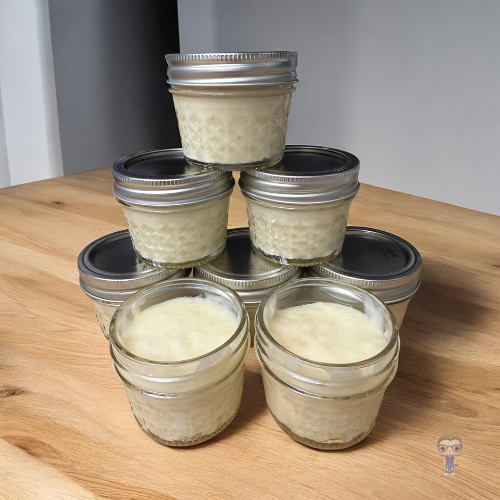
Homemade tapioca pudding is one of those desserts that’s considerably better than any version that comes in a plastic cup — the pearls are chewier, the custard is richer, and the vanilla flavor is actually present rather than a vague suggestion. It takes about 45 minutes from soaking to table, most of which is hands-off. The active cooking is maybe 20 minutes.
The one technique that matters here — the one that determines whether you end up with creamy pudding or accidentally sweet scrambled eggs — is tempering. It sounds more complicated than it is. Once you understand what it’s doing and why, it’s not intimidating.
Start with Small Pearl Tapioca — Not Instant
Small pearl tapioca is the right ingredient for this recipe. Instant tapioca (also sold as quick-cooking or Minute Tapioca) is pre-processed and produces a different texture — fine and slightly gummy rather than distinct chewy pearls. Large pearl tapioca requires a much longer soak and cook time. Small pearl is the middle ground that produces the classic tapioca pudding texture most people are after.
The soaking step is not optional. Dry small pearl tapioca goes into water for 30 to 60 minutes before cooking. The pearls absorb water and soften slightly, which means they cook through evenly in the saucepan rather than being firm in the center when the custard around them is fully done. Skip the soak and you either undercook the pearls or overcook everything else waiting for them to catch up.
Why You Temper the Eggs
Eggs cooked in hot liquid scramble. That’s the problem tempering solves. You can’t add cold beaten eggs directly to hot milk and tapioca — the sudden heat causes the proteins to seize and clump before they can distribute smoothly through the pudding.
Tempering gradually raises the temperature of the eggs before they go into the hot pot. You ladle a small amount of the hot milk mixture into the whisked eggs and sugar, whisk constantly while you do it, and repeat once or twice. By the time the egg mixture goes back into the saucepan, the temperature gap is small enough that they incorporate smoothly rather than scrambling.
The key is doing it slowly and whisking the whole time. Pour the hot liquid into the eggs — not the eggs into the hot liquid, which would give you less control. A thin, steady stream while whisking constantly produces a smooth mixture every time.
The Cooking Process
Drained soaked tapioca, milk, and salt go into the saucepan over medium heat. Stir frequently — the pearls will stick to the bottom if left unattended. Cook until it just begins to simmer, small bubbles appearing at the edges, about 8 to 10 minutes. Don’t let it reach a full boil at this stage.
Remove from heat briefly to temper the eggs as described above. Return the tempered egg mixture to the saucepan and reduce heat to low. Cook gently, stirring frequently, for about 15 minutes. You’re watching for two things: the tapioca pearls should turn translucent rather than white, and the pudding should be thick enough to coat the back of a spoon. Both happen around the same time.
Remove from heat and stir in vanilla. Same logic as the caramel sauce — vanilla added to still-boiling liquid loses its fragrance. Off the heat, still warm, that’s the right moment.
Warm or Chilled
Both versions are good and genuinely different. Warm tapioca pudding is looser and the pearls are more distinct — it tastes more like a dessert you made on purpose right now. Chilled tapioca pudding firms up, the custard sets more completely, and the flavors meld into something quieter and more integrated. It’s the version that tastes like it’s been waiting for you.
Let it cool for 10 to 15 minutes before serving warm — it’s very hot straight from the stove. For the chilled version, transfer to serving cups or a bowl, press plastic wrap directly on the surface to prevent a skin from forming, and refrigerate for at least 2 hours.
Dairy-Free Version
Full-fat coconut milk is the best dairy-free substitute — it has enough fat to produce a genuinely creamy pudding. Use it in place of the whole milk at a one-to-one ratio. It adds a distinct coconut flavor that works very well with tapioca, especially with a pinch of toasted coconut stirred in at the end. Oat milk produces a thinner result but works if that’s what you have.
Variations Worth Trying
Coconut tapioca: use coconut milk and add a quarter cup of shredded toasted coconut after cooking. The combination of chewy pearls and toasted coconut is excellent warm or chilled.
Banana tapioca: lay sliced bananas into the bottom of serving cups, pour warm pudding over, and chill. The banana softens slightly and the vanilla custard picks up the banana flavor. Similar territory to the filling of a good
No-Bake Banana Cream Pie — https://thisoldbaker.com/easy-banana-cream-pie/ — just in pudding form.
Cinnamon maple: replace sugar with maple syrup and add half a teaspoon of cinnamon with the vanilla at the end. A fall version that tastes more complex than the plain sugar version without changing the method.
Storage
Covered in the refrigerator up to four days. The pudding thickens further as it sits — if it’s firmer than you want when you go back to it, stir in a splash of milk until it loosens to the right consistency. Serve chilled or reheat gently in a saucepan over low heat, stirring, with a splash of milk to bring it back to a spoonable consistency.
If you want a faster no-cook pudding for weeknight desserts, my Homemade Instant Vanilla Pudding Mix — https://thisoldbaker.com/instant-vanilla-pudding-mix/ is the pantry version — whisk into cold milk, chill, done. Different texture and technique from tapioca, but the same vanilla custard flavor profile without any stovetop time.
Frequently Asked Questions
What is the difference between small pearl, instant, and large pearl tapioca?
Small pearl tapioca requires a 30 to 60-minute soak before cooking and produces distinct chewy pearls in a creamy custard — the classic tapioca pudding texture. Instant or quick-cooking tapioca (like Minute Tapioca) is pre-processed and produces a finer, slightly gummy texture without distinct pearls. Large pearl tapioca requires a much longer soak and cooking time and is used more often in Asian tapioca-style desserts. This recipe uses small pearl tapioca specifically.
Why do you temper eggs for tapioca pudding?
Cold eggs added directly to hot liquid scramble — the sudden heat causes the proteins to seize before they can distribute smoothly. Tempering gradually raises the egg temperature by adding a small amount of hot liquid to the eggs while whisking constantly, before returning the mixture to the saucepan. This closes the temperature gap enough that the eggs incorporate smoothly rather than curdling.
How do you know when tapioca pudding is done?
Two signs happen at roughly the same time: the tapioca pearls turn translucent rather than white and opaque, and the pudding is thick enough to coat the back of a spoon — when you run a finger across the back of the spoon, it should leave a clean line that holds. Both usually happen after about 15 minutes of gentle cooking over low heat after the eggs are added.
Can I make tapioca pudding without eggs?
Yes — skip the eggs and use cornstarch as the thickener instead. Whisk 2 tablespoons of cornstarch into a small amount of cold milk until smooth, then stir it into the tapioca and milk mixture during the last few minutes of cooking. The result is a slightly less rich pudding without the custardy depth that eggs provide, but it’s a good option for egg-free households.
Is tapioca pudding gluten-free?
Yes — tapioca is derived from cassava root, which is naturally gluten-free. All the other ingredients in this recipe (milk, eggs, sugar, vanilla) are also naturally gluten-free. This makes homemade tapioca pudding a good dessert option for people avoiding gluten, provided the tapioca pearls you buy haven’t been processed in a facility that also handles wheat products.and stir up a little nostalgia—you might just find that the old-fashioned way is the sweetest way after all.
Homemade Tapioca Pudding
Equipment
Ingredients
- 1/2 cup small tapioca pearls not instant
- 2 1/2 cups whole milk or substitute: coconut milk for dairy-free
- 1/4 tsp salt
- 2 eggs
- 1/2 cup sugar
- 1/2 tsp vanilla extract
Instructions
- Soak the Pearls:
- Place the tapioca pearls in a bowl with 1 1/2 cups water.
- Let soak for 30 minutes to 1 hour, then drain.
- Heat the Milk:
- In a saucepan, combine soaked tapioca, milk, and salt.
- Cook over medium heat, stirring frequently, until it just starts to simmer.
- Temper the Eggs:
- In a small bowl, whisk together the eggs and sugar.
- Slowly add a ladle of the hot milk mixture to the egg mixture, whisking constantly (this tempers the eggs so they don’t scramble).
- Pour the tempered eggs back into the saucepan with the tapioca.
- Cook the Pudding:
- Reduce heat to low.
- Cook gently, stirring frequently, for about 15 minutes, or until the tapioca pearls are translucent and the pudding thickens.
- Finish:
- Remove from heat and stir in vanilla extract.
- Let cool for 10–15 minutes. It will continue to thicken as it cools.
- Optional Add-Ins:
- Stir in shredded coconut, chopped bananas, or a dash of cinnamon.
- Serve warm or chilled — both are delicious!

Leave a Reply