

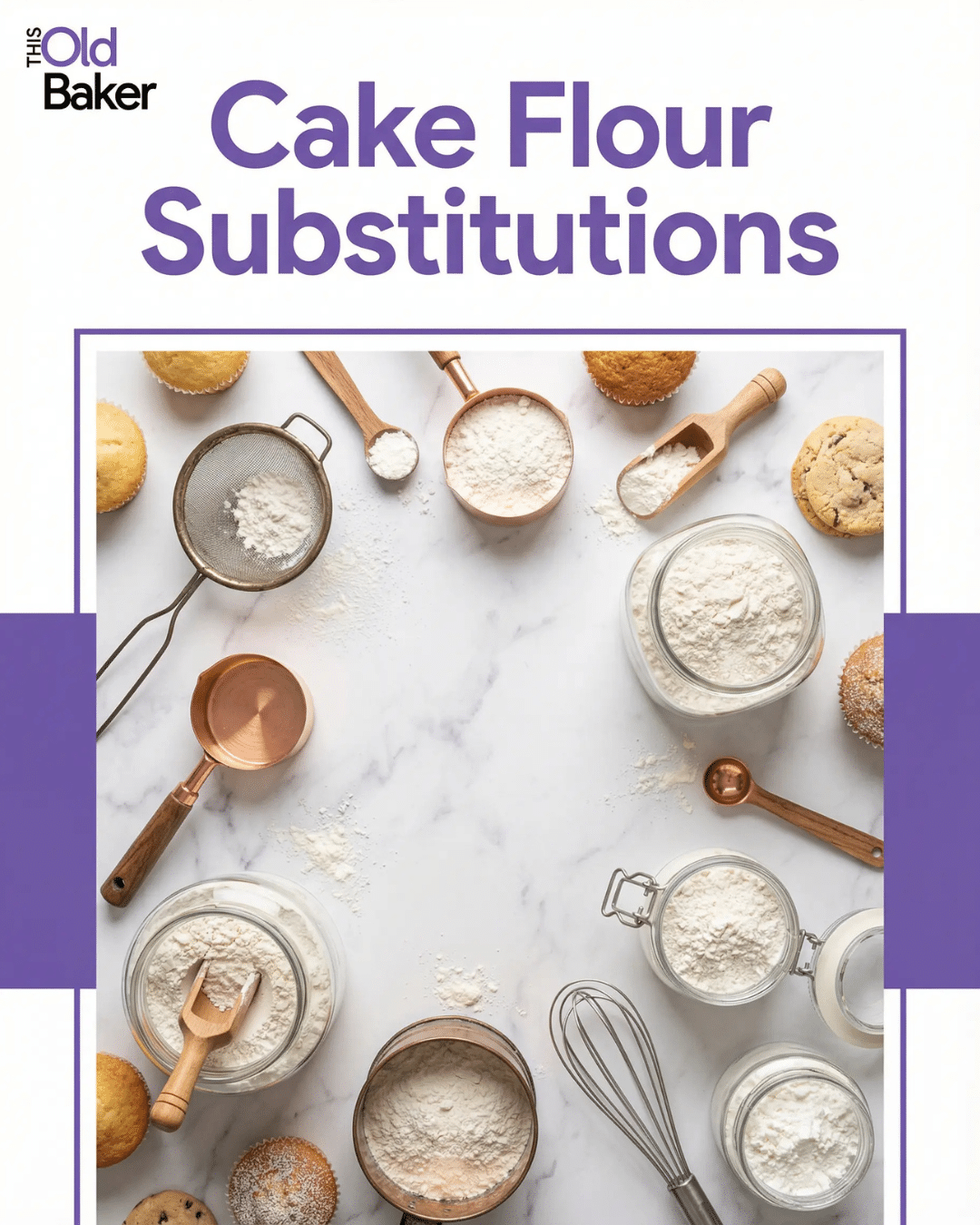
Every baker has been there—you’re in the middle of mixing up a recipe when you realize you’re out of cake flour. But before you run to the store, there’s good news: you can make a cake flour substitute right at home using just two pantry staples. This simple trick will save you time and keep your baking projects on track while delivering the same light and fluffy results you expect from traditional cake flour.
What Is Cake Flour?
Cake flour is a finely milled, low-protein flour that creates soft, tender baked goods. It typically contains 6-8% protein, compared to all-purpose flour, which has about 10-12%. This lower protein content means less gluten develops when mixing, resulting in a lighter and fluffier texture—perfect for cakes, cupcakes, and delicate pastries. The fineness of the flour also helps absorb liquids more efficiently, contributing to a more uniform and moist crumb structure.
Why Use a Cake Flour Substitute?
If a recipe specifically calls for cake flour, using all-purpose flour as a direct replacement can result in denser, chewier baked goods. While some recipes can handle the swap, others may turn out too heavy. Making a cake flour substitute at home helps maintain the integrity of the recipe without requiring a special trip to the store. Additionally, store-bought cake flour is often bleached, which some bakers prefer to avoid. By making your own, you have more control over the ingredients while still achieving that desired tenderness.
How to Make a Cake Flour Substitute
To create a homemade cake flour substitute, you only need two ingredients:
- All-purpose flour
- Cornstarch (or arrowroot powder as an alternative)
Step-by-Step Instructions:
- Measure Your Flour: For every cup of cake flour a recipe calls for, measure out 1 cup of all-purpose flour.
- Remove Some Flour: Take out 2 tablespoons of the measured all-purpose flour and set it aside.
- Add Cornstarch: Replace the removed flour with 2 tablespoons of cornstarch.
- Sift Well: Sift the mixture at least twice to ensure the cornstarch is evenly distributed. This step helps create a finer texture similar to cake flour.
- Use as Needed: Your cake flour substitute is ready to use! Measure it exactly as the recipe directs.
Why Does This Work?
Cornstarch is the secret to mimicking cake flour because it inhibits gluten formation. When added to all-purpose flour, it softens the overall structure of the flour, making it behave more like traditional cake flour. Sifting helps aerate the mixture and evenly incorporates the cornstarch, ensuring light, fluffy baked goods. This process prevents overdeveloped gluten strands, keeping cakes tender and delicate.
Best Uses for a Cake Flour Substitute
This DIY substitute works well in most recipes that require cake flour, such as:
- Layer cakes – For soft, tender layers that hold their shape beautifully.
- Cupcakes – Light and airy, perfect for frosting and decoration.
- Muffins – A softer texture without becoming too chewy.
- Pancakes – Fluffier and more delicate than those made with all-purpose flour alone.
- Biscuits – More delicate and tender than using all-purpose flour.
- Pastries – Ideal for achieving a melt-in-your-mouth crumb.
It’s not ideal for recipes that need a high-protein structure, like bread or pizza dough, where gluten development is crucial. The lower protein content in cake flour can make bread too soft and unable to hold its structure properly.
Common Questions About Cake Flour Substitutes
1. Can I use this substitute in every recipe that calls for cake flour? Yes, in most cases! While it won’t be a 100% match to store-bought cake flour, it performs very similarly in baking. If a recipe is highly dependent on the exact properties of cake flour, such as a delicate angel food cake, results may vary slightly.
2. Is there an alternative to cornstarch? Yes! Arrowroot powder or tapioca starch can be used instead of cornstarch for a similar effect. These alternatives work well for those avoiding corn-based products.
3. Do I need to adjust baking powder or baking soda when using a cake flour substitute? No, the leavening agents in a recipe don’t need to be changed when using a cake flour substitute. The structure and texture will still support proper rising and baking.
4. Can I make a large batch and store it? Absolutely! If you frequently bake with cake flour, mix a larger batch and store it in an airtight container for convenience. Just be sure to sift it before each use to maintain its light texture.
5. How long does homemade cake flour substitute last? As long as your all-purpose flour and cornstarch (or alternative) are fresh, your homemade cake flour substitute will last just as long. Store it in an airtight container in a cool, dry place for optimal freshness.
Tips for Perfectly Soft Baked Goods
- Sift multiple times – This helps aerate the flour and evenly distribute the cornstarch.
- Measure accurately – Spoon and level your flour instead of scooping directly from the bag.
- Use fresh ingredients – Old flour or cornstarch can affect the texture and performance.
- Don’t overmix batter – Overworking the gluten can make cakes tougher, even with a flour substitute.
- Store properly – Keep flour in an airtight container to prevent moisture and pests.
The Bottom Line
Running out of cake flour doesn’t have to derail your baking plans. With just all-purpose flour and cornstarch, you can easily make a cake flour substitute at home. Whether you’re making a batch of fluffy cupcakes, a delicate sponge cake, or a stack of tender pancakes, this simple swap ensures your baked goods stay light, tender, and delicious. Now, grab your flour and cornstarch and get baking!


Leave a Reply