

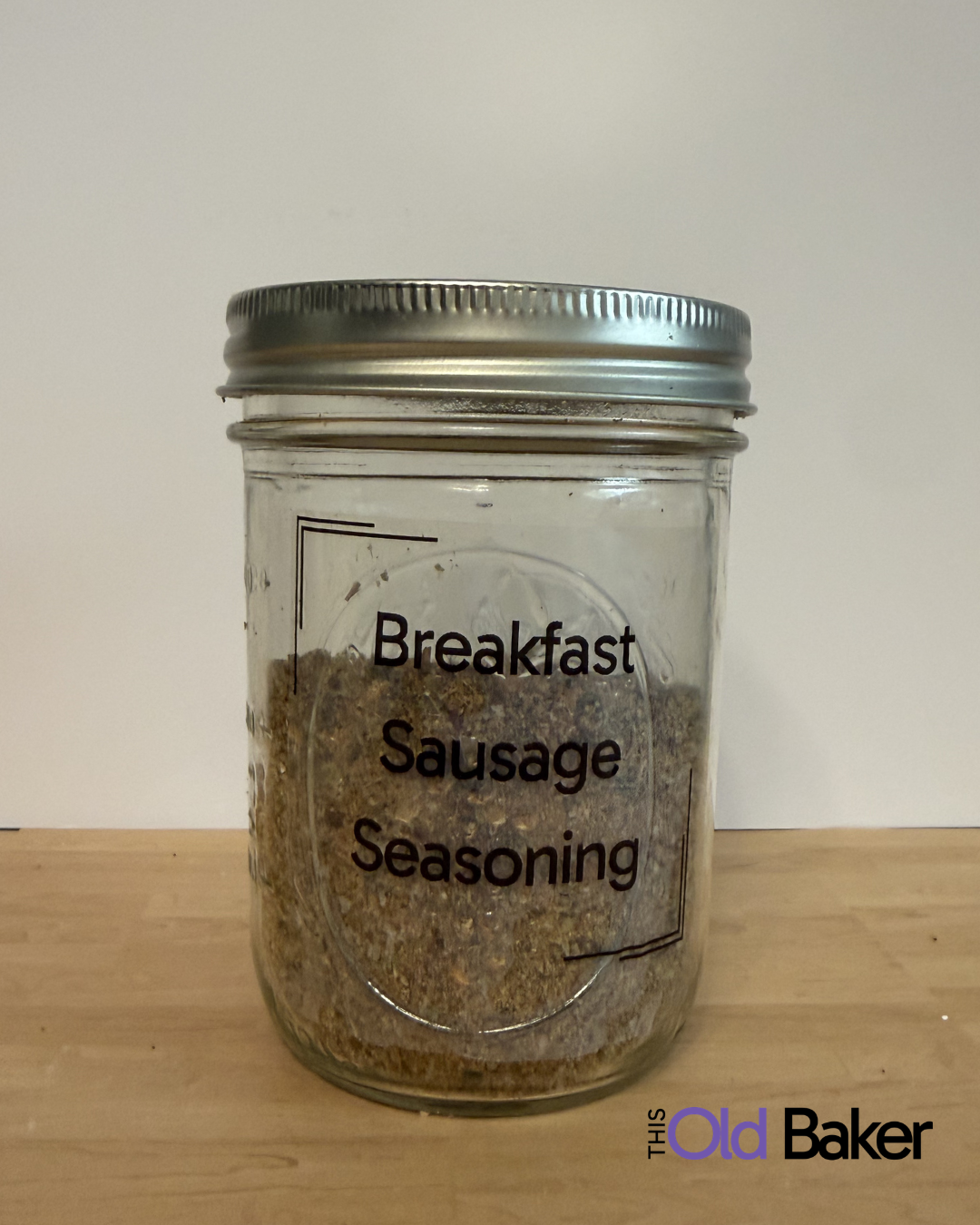
Most breakfast sausage seasoning blends are sage, salt, and pepper — which is fine, but it’s also the same flavor you get from every grocery store package. The thing that actually separates butcher-shop sausage from the bland tube version is two ingredients most home cooks don’t keep on hand: marjoram and fennel.
Marjoram adds a soft, slightly floral note that sage alone doesn’t have. Fennel brings a faint anise warmth that’s exactly what you’re tasting when good breakfast sausage tastes like it came from somewhere that actually knows what it’s doing. Together with sage, salt, pepper, and a little brown sugar, they build the specific old-fashioned flavor this blend is named for.
Why Marjoram and Fennel Matter
Sage is doing the heavy lifting in most breakfast sausage seasonings, and it’s a fine backbone — earthy, slightly peppery, recognizably ‘breakfast sausage.’ But sage alone is one-note. Marjoram rounds it out with something closer to oregano’s milder cousin — soft, herbal, a little sweet. Fennel seed, used in moderation, brings the same warm anise character that defines Italian sausage, just at a lower volume so it reads as depth rather than announcing itself.
Skip both and you get sausage that’s fine. Include both at the right ratio and you get sausage that tastes like it came from a small butcher shop or an old diner that’s been doing this for forty years.
What’s in the Blend
Dried sage as the base. Marjoram and fennel seed for the specific old-fashioned character. Salt and black pepper to season throughout. A small amount of brown sugar — not enough to taste sweet, just enough to round the edges and help the sausage caramelize properly in the pan. Garlic powder and onion powder for savory depth. A pinch of crushed red pepper flakes if you want a faint background warmth without making it a spicy sausage.
None of this is exotic. It’s pantry spices, just in a ratio that most people don’t think to combine on their own.
Mixing It Into the Meat
Two to three tablespoons of seasoning per pound of ground pork, mixed in thoroughly with your hands — not just stirred on the surface. The seasoning needs to be distributed through the whole pound, not concentrated in one corner of the bowl. Let the seasoned meat rest in the refrigerator for at least 30 minutes before cooking, longer if you have time. The salt needs time to start working into the meat rather than just sitting on top of it.
Form into patties or leave loose for crumbled sausage in a skillet. Either way, cook over medium heat until no pink remains and the edges have a little color — that color is where the brown sugar and fat are doing their work.
If Your Pork Is Lean
Sausage needs fat to stay juicy and to carry flavor — that’s not a preference, it’s how sausage works. If you’re working with very lean pork, especially from a hog you processed yourself or pork that’s been trimmed close at the store, add extra pork fat at roughly an 80/20 ratio, about two to four ounces of fat per pound of meat. Without it, the sausage will taste seasoned correctly but eat dry and crumbly rather than rich.
Using It With Ground Turkey
Turkey is leaner and milder than pork, so the seasoning needs to scale down accordingly — use teaspoons instead of tablespoons per pound. The same blend that’s appropriately bold for fatty pork will overwhelm lean turkey at the same quantity. Start with one teaspoon per pound, taste a small cooked portion, and adjust up from there if you want more punch. Because turkey has less fat to carry the flavor, you’ll also want to add a tablespoon of olive oil or melted butter to the meat when mixing — it helps the sausage stay moist and gives the seasoning something to cling to.
Beyond Breakfast Patties
Sausage gravy is the most popular use by far — brown the seasoned sausage, then build https://thisoldbaker.com/country-gravy-mix right in the same pan with the drippings. This sausage seasoning also works mixed into breakfast skillet hash, stirred into a quiche or frittata base, formed into meatballs for a breakfast meatball skillet, or layered into a breakfast casserole instead of pre-made sausage links.
If you keep a https://thisoldbaker.com/dry-breakfast-skillet-base stocked, this seasoning pairs directly with it for a complete breakfast in one pan.
Storage
Half-pint mason jar, sealed, 12 months. Dried marjoram and fennel seed both hold their flavor well, but sage tends to fade first. If the jar smells flat rather than herbal and warm when you open it, make a fresh batch.
If you’re building out a full homemade sausage seasoning collection, Classic Italian Sausage Seasoning Mix — thisoldbaker.com/classic-italian-sausage-seasoning-mix/ is the savory, fennel-forward counterpart to this one — worth keeping both jars stocked.
Frequently Asked Questions
What is in old-fashioned breakfast sausage seasoning?
Dried sage as the savory base, marjoram and fennel seed for the specific old-fashioned butcher-shop character, salt, black pepper, a small amount of brown sugar, garlic powder, and onion powder. Marjoram and fennel are the two ingredients most breakfast sausage blends skip — they’re what separate this from a basic sage-salt-pepper mix.
How much sausage seasoning do you use per pound of meat?
Two to three tablespoons per pound of ground pork, mixed in thoroughly by hand. For ground turkey, scale down to one to two teaspoons per pound since turkey is leaner and milder and the same quantity that works for pork will overwhelm it. Let the seasoned meat rest in the refrigerator at least 30 minutes before cooking so the salt has time to work into the meat.
Can I use this seasoning with ground turkey instead of pork?
Yes — use teaspoons instead of tablespoons per pound since turkey is leaner and milder than pork. Add a tablespoon of olive oil or melted butter to the meat when mixing to help with moisture, since turkey doesn’t have the fat content that pork does to carry the seasoning and keep the sausage juicy.
Do I need to add extra fat if my pork is lean?
Yes, if the pork is very lean — particularly pork that’s been trimmed close at the store or from a hog processed without extra fat reserved. Add pork fat at roughly an 80/20 ratio, about two to four ounces per pound of meat. Without enough fat, the sausage will taste correctly seasoned but eat dry and crumbly instead of rich and juicy.
What can I make with breakfast sausage seasoning besides patties?
Sausage gravy is the most popular application — brown the seasoned sausage and build gravy right in the same pan using the drippings. It also works mixed into breakfast hash, stirred into quiche or frittata filling, formed into breakfast meatballs, or layered into a breakfast casserole in place of pre-made sausage links.
Why is there brown sugar in a savory breakfast sausage seasoning?
The amount used is small enough that the sausage doesn’t taste sweet — it’s there to round off the sharper edges of the sage and pepper and to help the sausage caramelize properly in the pan. That light browning on the surface is part of what makes good breakfast sausage taste finished rather than just cooked through. If you’d rather leave it out entirely, the sausage will still taste good; it just won’t develop quite the same color or depth on the outside. Cutting it in half is a good middle ground if you want less sweetness without losing the browning effect.
Breakfast Sausage Seasoning
Equipment
Ingredients
- 1/3 cup brown sugar just a touch of balance, not sweet
- 3 Tbsp salt
- 2 Tbsp rubbed sage
- 1 Tbsp dried marjoram
- 1 Tbsp fennel seeds lightly crushed
- 1 Tbsp black pepper
- 2 tsp dried thyme
- 2 tsp paprika
- 2 tsp garlic powder
- 2 tsp onion powder
- 1 tsp crushed red pepper flakes
- 1/2 tsp nutmeg
Instructions
- Lightly crush the fennel seeds (mortar & pestle or back of a spoon).
- Combine all ingredients and mix well.
- Break up any brown sugar clumps.
- Store in a sealed pint jar.
🥄 To Use (for 1.5 lbs ground pork)
- Use 2 to 2½ tablespoons seasoning
- Add 1–2 tablespoons cold water
- Mix gently until just combined
- Let rest 5–10 minutes (optional but recommended)
- Cook as patties or crumbles

Leave a Reply