

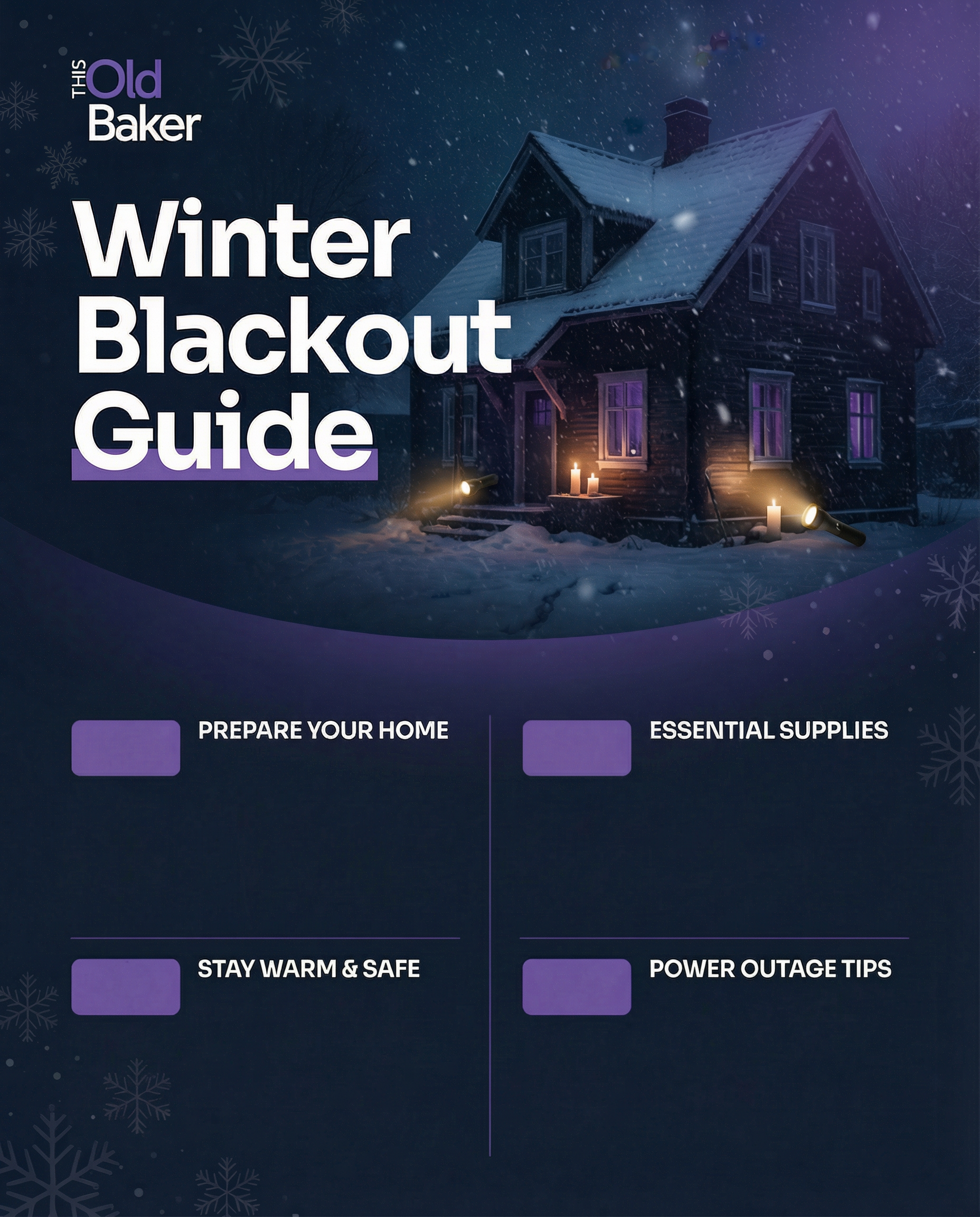
There’s nothing quite like the peaceful hush of a winter storm… until the lights blink out. Suddenly, you’re reminded that heat, light, communication, and dinner plans all depend on electricity. With winter storms getting wilder and grid surprises more common, knowing how to weather a power outage isn’t just handy — it’s essential.
Let’s break it down into smart prep and soulful comfort so you’re ready before the next crunch of cold arrives.
The Big Picture: Why Power Outages Matter
Winter blackouts aren’t always short. In severe storms, outages can last hours, days — even longer in hard-hit areas. That means no heat, no stove, frozen pipes, and an anxious scramble for food and warmth. Being prepared cuts stress, saves money, and keeps you safer than “winging it.”
Before we get to meals (because you know that’s my favorite part), let’s cover the basics.
Prep Ahead: The Foundation of Winter Power Safety
1. Build Your Emergency Kit — Not Just a Drawer
Every home should have:
- Flashlights & extra batteries
- Battery-powered lanterns (candle alternatives)
- Fully charged power banks for phones
- A battery-powered or hand-crank radio
- Extra blankets, sleeping bags, warm hats/gloves
- A household CO detector (batteries checked twice a year)
Pro tip: Keep these items in one labeled basket or tote near an entryway — so you can grab it quickly when the wind starts howling.
2. Charge Everything Early
When a storm’s looming, plug in:
✔ Phones, tablets, power banks
✔ Laptop
✔ Portable battery stations
✔ Medical gear if needed
Filled batteries aren’t glamorous — but they’re peace of mind.
3. Water & Pipes: Don’t Let Freezing Win
Water pressure can collapse when pipes freeze. Prevent this by:
- Letting faucets drip slightly during extreme cold
- Opening cabinet doors under sinks to let warm air circulate
- Knowing where your main water shut-off valve is — and how to use it — if you must prevent bursting.
If you expect a long outage, consider filling clean jugs or even your bathtub with water for flushing and cleaning.
4. Stay Informed
Sign up for weather alerts from local authorities, use NOAA radio, and follow trustworthy sources. Knowledge is warmth.
Warmth & Heating During Outages
When the heat goes out, your body becomes your first heater. Here’s how to make every layer count.
Layer Up, Don’t Power Up
Bundle in layers:
- Thermals or long underwear
- Fleece or wool mid layers
- Warm socks and gloves
- Hats — you lose a lot of heat through your head
Hot cocoa counts as insulation. I’ll stand by that.
Focus Heat Where It Counts
- Close off unused rooms
- Block drafts with blankets or rolled towels at doors
- Shut curtains at night to trap daytime warmth
If you have a wood stove or properly vented fireplace, now’s its time to shine — but keep it clean and inspected.
What Not to Do: Safety First
When you’re cold, creativity skyrockets — but some solutions are dangerous.
🚫 Never use charcoal grills or portable camping stoves indoors.
🚫 Never run a gasoline or propane generator in enclosed spaces.
These release carbon monoxide — an invisible killer.
Generators must be outdoors, with proper ventilation and correct wiring. If you’re unsure, contact a professional.
Kitchen & Food: Winter Outage Meal Magic
Your kitchen pantry is your best friend here — the place where cold becomes comfort and hunger becomes hearty satisfaction.
Fridge & Freezer Truths
- Keep the fridge door shut. A cold fridge can stay safe for about 4 hours without power.
- A full freezer stays cold longer — up to 48 hours; a half-full one, about 24 hours. (Ready.gov)
Don’t open doors just to check — that’s how temperatures rise fast.
Safety tip: When in doubt, throw it out. If perishable food was above 40°F for more than 2 hours, it’s time to compost it.
Pantry to the Rescue: Stock Smart
Aim to keep at least 3 days’ worth of:
✔ Canned soups & stews
✔ Canned beans & fish
✔ Shelf-stable milk or powdered milk
✔ Crackers & crunchy snacks
✔ Nut butters
✔ Dry pasta & rice
✔ Oats & cereals
✔ Jerky & dried fruit
✔ Instant coffee or tea
Jar gifts of pantry mixes (soups, hot cocoa, oatmeal blends) are great here — easy to throw together without heat.
Power-Free Meal Ideas
Here’s where the old baker in you gets to shine:
- No-heat tuna salad on crackers with pickle chips
- Hot water oatmeal — heat water on a camping stove outdoors and safely
- Thermos soups — preheat thermos indoors before the outage
- Cold quinoa salad with beans, olive oil, spices
- Peanut butter banana wraps — kid-approved and no cooking needed
Label jars with clear mix instructions and include a “serve with ____” suggestion — so nothing sits forgotten in the pantry.
Kitchen Timing Trick
Before a storm hits, set fridge and freezer to coldest settings so food stays safe longer. Then minimize opening them. That simple step keeps goodies edible through a long outage.
Extra Winter Comfort Tips
- Have a board game or cards ready. Fun keeps spirits warm.
- Prepare a “cozy corner” with blankets and pillows for reading or storytelling.
- Hydration matters. Cold air dries you out — keep water handy.
After the Lights Come Back
Once power returns:
✔ Plug electronics back in gradually.
✔ Check food — throw out anything questionable.
✔ Restock your emergency kit.
✔ Share what you learned with friends and neighbors.
Experience is the best teacher, but sharing that experience builds community resilience.
Final Thoughts
Power outages are no walk in the park — but with wise prep and a little pantry magic, you can turn them into manageable, even cozy events. From smart stocking to safety first, you’ve got this. And while the wind howls outside, your kitchen can still be a warm, inviting place filled with good food and good cheer.





Leave a Reply