

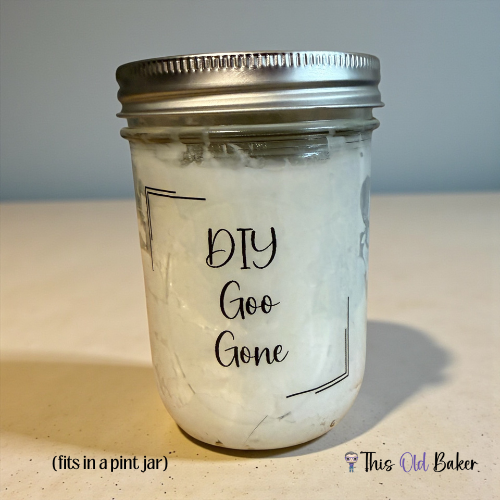
If you’ve ever spent 10 minutes furiously scraping at a jar label or muttering over sticker residue on a countertop, you know exactly why DIY Goo Gone deserves a permanent spot in your cleaning caddy. This humble homemade paste tackles sticky disasters like a champ—without the chemicals, eye-watering smell, or price tag of store-bought removers. It’s proof that sometimes, the best solutions are the ones you can stir up right in your kitchen.
A Sticky Problem Meets Its Match
We all have our sticky situations—price tags welded to glass, labels that shred into confetti when you peel them, or a spot of gum on the floor that refuses to budge. Commercial adhesive removers promise miracles, but they often come with ingredients that could double as paint thinner. When you’re cleaning in a kitchen full of food prep surfaces, or around kids and pets, that’s not exactly comforting.
That’s where DIY Goo Gone shines. It’s simple, natural, and effective. It melts through gunk and residue in minutes using everyday ingredients—usually coconut oil, baking soda, and a touch of essential oil for that satisfying citrus scent. No warnings about ventilation. No mystery chemicals. Just a good old-fashioned pantry fix that works.
The Beauty of a Pantry Clean-Up
What makes DIY Goo Gone so satisfying isn’t just its effectiveness—it’s the fact that you can make it from things you already have in your kitchen. Coconut oil softens sticky residues, baking soda gives a gentle scrub without scratching surfaces, and essential oils like lemon or orange add natural degreasing power.
Instead of another plastic bottle under your sink, you’ve got a reusable glass jar filled with a creamy cleaner that feels almost luxurious. One batch costs less than a dollar to make and lasts for months, even with regular use. Compare that to the $5–$7 you’d spend on a small bottle of name-brand Goo Gone, and suddenly that pantry mix looks even sweeter.
How It Works
The secret to DIY Goo Gone lies in how its simple ingredients work together. Coconut oil acts as a solvent—it loosens sticky adhesives and helps dissolve the gluey film left behind from stickers or labels. Baking soda adds gentle abrasion, helping lift residue without damaging the surface underneath. Essential oils, especially citrus varieties, naturally cut through grease and leave behind a clean, fresh scent.
You don’t need to let it sit long, either. A small dab massaged into the sticky area for 30 seconds to a minute usually does the trick. For tougher spots—like years-old tape residue—let it rest a bit longer before wiping clean with a soft cloth.
Where You Can Use It
Once you start using DIY Goo Gone, it’s hard to stop. It’s safe on most non-porous surfaces like glass, metal, plastic, and ceramic. Try it on:
- Jar labels – The pantry queen’s nemesis! It lifts paper and glue in seconds.
- Kitchen appliances – Perfect for sticky residue from tape or store stickers on stainless steel.
- Glassware – Restores old candle jars or bottles for reuse without clouding the glass.
- Floors and counters – Removes gum, wax, or tape from tile and laminate.
- Car interiors – Tackles sticker gunk or adhesive from old decals (test on a small spot first).
- Laundry helpers – Rub a bit on sap, tar, or oily sticker residue before tossing clothes into the wash.
Avoid using it on unfinished wood, painted walls, or fabrics that stain easily—oil-based products can leave marks. A quick spot test is all it takes to be safe.
Saving Money, One Jar at a Time
Let’s talk about the financial perk. Most households go through multiple store-bought cleaners in a year, and adhesive removers can be surprisingly pricey for such small bottles. Making DIY Goo Gone at home costs pennies per ounce—literally. Coconut oil and baking soda stretch a long way, and even a small jar will last months.
You’re also reducing waste by reusing containers and skipping chemical-laden products that come in single-use plastic bottles. It’s budget-friendly, eco-conscious, and incredibly practical. The satisfaction of making it yourself? That’s just the cherry on top.
A Jar of Versatility
The beauty of this mix is how multi-purpose it becomes once you’ve got it on hand. Beyond sticky messes, it doubles as:
- A label remover for repurposed mason jars and containers.
- A degreaser for range hoods or oven knobs.
- A sticker remover for kids’ toys and lunchboxes.
- A natural cleaner for removing candle soot from jars or wax spills from tables.
It’s also a thoughtful addition to a homemade cleaning gift basket. Add a cute label, a mini wooden spoon, and maybe a reusable cloth. Suddenly, you’ve got a housewarming or holiday gift that’s practical, pretty, and perfectly homemade.
Why It’s Worth the Five Minutes
In an era when convenience often wins, it’s refreshing to discover that a homemade cleaner can outperform something from the store shelf. Making DIY Goo Gone takes about as much time as brewing a cup of tea, yet the payoff is endless. It saves money, reduces waste, and eliminates harsh fumes from your cleaning routine.
You don’t need to be an eco-warrior or DIY guru to make it—just someone who appreciates a clean home and a clever use of what’s already in the pantry. Once you use it on your first jar label or sticky shelf spot, you’ll wonder how you ever lived without it.
The Final Wipe
So next time you’re elbow-deep in sticker goo, skip the store run. Open your pantry, grab that coconut oil and baking soda, and mix up your own batch of DIY Goo Gone. It’s affordable, effective, and delightfully old-fashioned in the best way—proof that the simplest things are often the most powerful.
Homemade doesn’t just mean thrifty; it means thoughtful. And when your home smells faintly of citrus instead of chemicals, you’ll know you made the right call. After all, isn’t that what This Old Baker is all about—using what you have, saving a little money, and keeping life just a touch more homemade?

DIY Goo Gone
Ingredients
- 1 cup coconut oil solid or melted. Or you can use olive oil
- 1 cup baking soda
- 10 drops orange or lemon essential oil optional, but gives that fresh clean smell
Instructions
- Mix everything together in a small bowl until it forms a paste.
- Store in a sealed jar (a half-pint mason works perfectly).
- To use, scoop a small bit with a cloth and rub onto sticky residue. Let sit 1–2 minutes, then wipe clean.

Leave a Reply