

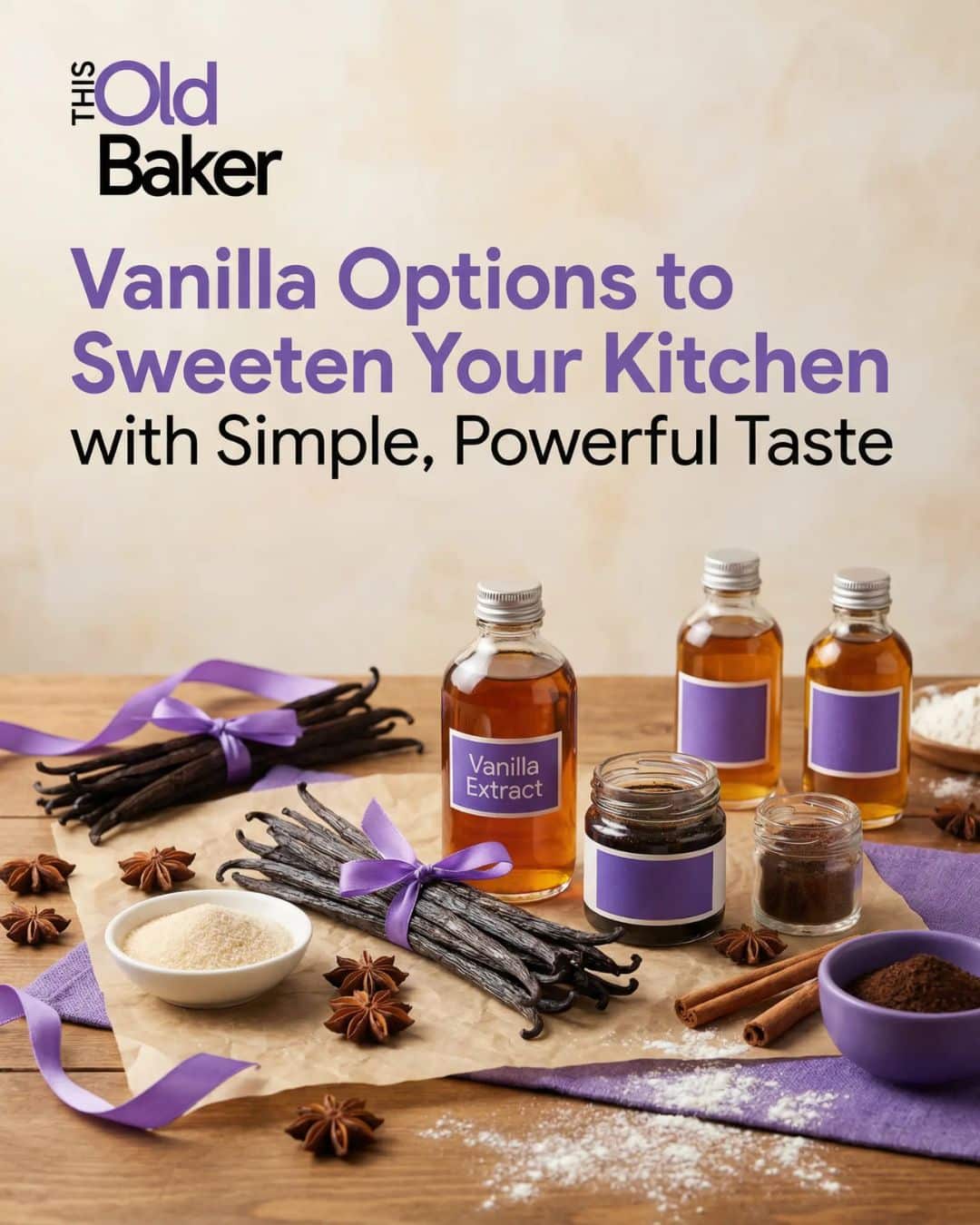
When it comes to baking there are so many vanilla options to choose from now. Whether you’re whipping up a classic pound cake, a batch of cookies, or a creamy custard, vanilla is the soul of the recipe. But not all vanilla is created equal, and choosing the right vanilla options can elevate your baking from good to unforgettable.
From beans to extracts to powders, the world of vanilla options can feel a little overwhelming. So let’s break it down together, and explore which type of vanilla is right for your next creation.
Why Vanilla Matters
Vanilla is the background note in so many baked goods, yet it’s often the first flavor that jumps out when it’s done right—or noticeably absent when it’s not. This warm, floral, subtly spicy flavor comes from the cured pods of the vanilla orchid, primarily grown in Madagascar, Mexico, and Tahiti.
When choosing your vanilla options, the key is understanding what form you’re buying and how it interacts with your ingredients. Price, potency, and even presentation all play a role in what you might reach for.
The Main Types of Vanilla for Baking
1. Pure Vanilla Extract
This is the most commonly used form of vanilla in home baking. It’s made by soaking vanilla beans in a mixture of water and alcohol for several months, which extracts the flavor compounds.
Pros:
- Readily available and easy to use
- Long shelf life
- Adds deep, rich flavor to most baked goods
Best for: Cookies, cakes, quick breads, muffins, and anywhere that the vanilla flavor should blend harmoniously with other ingredients.
Label Tips: Make sure it says pure vanilla extract. “Vanilla flavor” or “imitation vanilla” isn’t the same thing and is often made with synthetic vanillin.
2. Imitation Vanilla (Vanillin)
This is a lab-created alternative that mimics the primary flavor compound of vanilla beans. It’s often found in budget-friendly baked goods and shelf-stable mixes.
Pros:
- Affordable
- Heat stable (some pastry chefs even use it in high-temp baking)
Cons:
- Lacks complexity of true vanilla
- May have a chemical or artificial aftertaste
Best for: Budget baking or recipes where vanilla is not the star flavor (like chocolate cakes or spice-heavy cookies).
3. Vanilla Bean Paste
This is a luxurious hybrid that combines pure vanilla extract with vanilla bean seeds and sometimes a sweetener or thickener.
Pros:
- Delivers the speckled look of real vanilla beans
- Concentrated flavor
- Easier than working with whole beans
Cons:
- More expensive than extract
- Some brands include sugar or corn syrup
Best for: Ice cream, custards, frostings, buttercream, or anything where you want those pretty black specks and bold flavor.
4. Vanilla Beans (Whole Pods)
These are the real deal—the actual pod harvested from the vanilla orchid. They’re intensely fragrant and offer the most authentic flavor possible.
How to Use: Slice the bean lengthwise, then scrape out the seeds with the back of a knife. The pod can be simmered in liquids like milk or cream to extract more flavor.
Pros:
- Rich, complex aroma
- Great for recipes where vanilla is the star
Cons:
- Expensive
- Labor-intensive
- Shorter shelf life than extract
Best for: Crème brûlée, custards, panna cotta, or gourmet recipes.
5. Vanilla Powder
Vanilla powder is either dried and ground vanilla beans or dextrose/maltodextrin mixed with vanilla extract and dried. It’s alcohol-free and dissolves easily in dry mixes.
Pros:
- Excellent in dry baking mixes
- No added liquid, ideal for recipes where moisture matters
- Alcohol-free for sensitive diets
Best for: Dry mixes (like homemade pancake or cake mixes), meringues, and whipped cream.
Origin Matters: Madagascar, Mexican, or Tahitian?
Not only does the form of vanilla matter, but where it’s grown affects its flavor too.
- Madagascar Bourbon Vanilla: Rich, creamy, and classic. This is the most widely used variety and the one most of us think of as “traditional vanilla.”
- Mexican Vanilla: Spicy and bold, with hints of cinnamon and nutmeg. Perfect in chocolate-forward recipes or bold desserts like tres leches cake.
- Tahitian Vanilla: Floral, fruity, and delicate. Ideal for lighter desserts, like fruit tarts or whipped cream.
When to Splurge and When to Save
Not every recipe needs top-shelf vanilla options. Here’s a quick rule of thumb:
- Save your best vanilla beans or paste for recipes where vanilla options are the highlight—like vanilla bean ice cream, custards, or pound cake.
- Use pure vanilla extract for everyday baking like cookies, muffins, or coffee cake.
- Reserve imitation vanilla for high-heat applications or budget baking where other strong flavors dominate.
Storage Tips to Preserve Flavor
Vanilla, especially pure extract and beans, can degrade over time. Here’s how to store it properly:
- Extracts and paste: Keep in a cool, dark place like a pantry. Avoid direct sunlight or heat.
- Beans: Wrap tightly in wax paper or parchment, then place in an airtight container. Do not refrigerate, as it can dry them out.
- Powder: Store in a dry container with a tight lid. Keep away from moisture.
Fun Vanilla Hacks for Bakers
- Make your own vanilla sugar: Bury a used vanilla pod in a jar of granulated sugar. In a week or two, you’ll have beautifully scented sugar for baking or stirring into coffee.
- DIY extract: Steep split vanilla beans in vodka or rum for 2–3 months for homemade vanilla extract. Great for gifts!
- Flavor boost: Add a dash of vanilla extract to savory recipes like balsamic reductions, barbecue sauce, or glazes—it rounds out the flavor beautifully.
Final Thoughts
Choosing the right vanilla options for baking is like choosing the right paintbrush for a masterpiece—it all depends on the effect you’re going for. Whether you’re crafting a rustic vanilla bean pound cake or adding just a whisper of flavor to chocolate chip cookies, the right vanilla can bring warmth, depth, and magic to your creation.
Invest in the best you can afford, store it well, and don’t be afraid to experiment with different varieties and forms of vanilla options. Your taste buds—and your baked goods—will thank you. Be sure to check more tips to improve your baking on This Old Baker.



Leave a Reply