

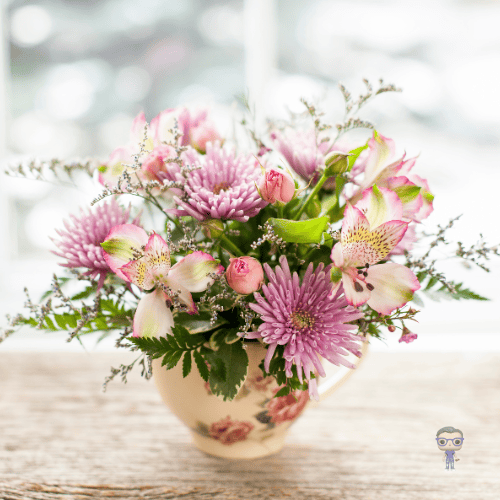
Homemade Flower Preservative Powder is a simple yet powerful solution for extending the life of your cut flowers, helping them stay fresh and vibrant far beyond their usual vase life. There’s something magical about fresh-cut flowers. Whether it’s a vibrant bouquet from your garden, a farmer’s market find, or a thoughtful gift from someone special, flowers have the power to brighten any room and lift your spirits. But as beautiful as they are, fresh blooms are also fleeting—and it’s always a little heartbreaking to watch them wilt far too soon.
Luckily, there’s a simple, affordable way to extend the life of your flowers and keep them looking fresh and lively for days longer: using a homemade flower preservative powder.
Why Fresh Flowers Fade So Quickly
To understand how to keep flowers fresher longer, it helps to know why they wilt in the first place. Once a flower is cut from its plant, it begins a slow decline due to several key factors:
- Loss of Hydration: Without access to roots, cut stems struggle to draw water effectively, especially if the water gets blocked by bacteria.
- Lack of Nutrients: Flowers still need nourishment to maintain their beauty, but once cut, they’re cut off from their food source.
- Bacterial Growth: Stagnant water in a vase is a breeding ground for bacteria, which quickly clogs the flower’s vascular system, making it even harder for water to reach the bloom.
- pH Imbalance: Tap water tends to be neutral or slightly alkaline, which isn’t ideal for cut flowers. They absorb water better in a slightly acidic environment.
Each of these issues shortens the life of your bouquet—but a good preservative can tackle them all at once.
What Flower Preservative Powder Does
Store-bought floral preservative packets work by addressing these four threats to freshness. They typically include:
- Sugar to feed the flower.
- Acidifiers to lower the water’s pH.
- Antibacterial agents to fight microbial growth.
Homemade flower preservative powders use the same principles but with ingredients you already have at home. By mixing a few pantry staples, you can create a powerful, natural solution that rivals anything you’d get from the florist.
Hydration Is Key
The most important factor in keeping flowers vibrant is hydration. When stems are blocked or water isn’t being absorbed properly, blooms start to wilt. That’s why regular maintenance is just as crucial as any preservative.
Here are a few essential tips to help your flowers stay well-hydrated:
- Trim the stems: Cut 1–2 inches off the bottom of each stem at a 45-degree angle before placing them in water. This increases the surface area for water uptake.
- Change the water frequently: Every 2–3 days is ideal. Bacteria multiply quickly, so fresh water is critical.
- Keep leaves out of the water: Leaves submerged in water break down and promote bacterial growth.
- Use lukewarm water: Room-temperature water helps stems absorb faster and reduces shock to the plant.
When combined with a preservative powder, these practices create the perfect environment for longer-lasting blooms.
Why Make It Yourself?
Making your own flower preservative powder offers a few clear advantages:
- It’s cost-effective: A DIY mix costs pennies per use and uses ingredients you probably already have.
- It’s customizable: You can tweak the formula for specific flower types or avoid ingredients like bleach if you prefer a more natural solution.
- It’s eco-friendly: No plastic packets, no synthetic chemicals—just simple, effective ingredients from your kitchen.
- It’s empowering: Taking charge of your flower care means fewer wilted petals and more days of enjoyment.
Plus, it’s just fun! If you love gardening, flower arranging, or simply having fresh blooms around the house, making your own preservative powder adds an extra touch of care and thoughtfulness to the experience.
A Gentle Word on Aspirin and Alternatives
One of the more interesting ingredients used in DIY preservative powders is crushed aspirin. It contains salicylic acid, which helps reduce bacteria in the water and keeps the stems clearer for better water flow. For those looking for alternatives, natural options like vinegar, lemon juice, or even hydrogen peroxide can also provide effective antibacterial action without harsh chemicals.
Just remember—no matter which version of the powder you use, consistency is key. Replenishing your water and adding the right mix every few days will dramatically improve your flowers’ longevity.
Elevate Your Floral Game
Whether you’re decorating for a special occasion, brightening your kitchen counter, or just treating yourself to fresh blooms, adding a homemade preservative to your flower care routine is a small change with a big impact.
Not only will your bouquets look better for longer, but you’ll also waste fewer flowers, get more value out of each arrangement, and feel that little spark of joy each time you pass by a vase full of thriving, colorful life.
So the next time you bring home a bouquet, don’t let it fade before its time. A bit of know-how, a touch of care, and a sprinkle of homemade preservative can help your flowers bloom beautifully for days to come.

DIY Flower Preservative Powder
Materials
- 2 tbsp sugar feeds the flowers
- 1 tbsp citric acid or lemon powder lowers pH, improves water uptake
- 1 crushed non-coated aspirin antibacterial, keeps stems clear
- 🍋 Tip: If you don’t have citric acid or lemon powder you can substitute with unsweetened lemon Kool-Aid powder.
Instructions
- Crush the aspirin into a fine powder using a spoon or mortar and pestle.
- Mix all ingredients thoroughly in a small bowl.
- Store in an airtight container away from moisture and light.
- To Use:
- Dissolve 1 teaspoon of the powder in 1 quart (4 cups) of lukewarm water.
- Stir well and use in your vase.

Leave a Reply