

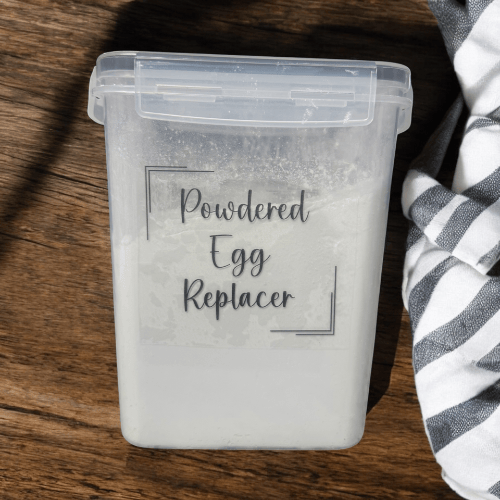
In today’s world of mindful eating and dietary accommodations, finding the right ingredient substitutes can transform how we approach cooking and baking. One of the unsung heroes of the modern kitchen is powdered egg replacer. Whether you’re navigating food allergies, living a plant-based lifestyle, or simply looking for more shelf-stable options, this pantry staple delivers impressive versatility without compromising taste or texture.
What Is Powdered Egg Replacer?
Powdered egg replacer is a dry blend of starches and leavening agents, specifically formulated to mimic the binding, moisture-retaining, and leavening properties of traditional eggs. Unlike liquid egg substitutes, which often still contain real egg, powdered versions are entirely egg-free, making them ideal for those with an egg allergy or anyone following a vegan diet.
This dietary-friendly product comes in a fine powder form and is typically mixed with water to activate its egg-like properties. It’s simple to use, cost-effective, and boasts a long shelf life—perfect for anyone who loves to bake without constantly running to the store for fresh eggs.
Why Choose Powdered Egg Replacer?
There are several compelling reasons to reach for powdered egg replacer the next time you’re whipping up a batch of cookies or prepping a cake.
1. Allergy-Friendly:
For individuals with an egg allergy, powdered egg replacer is a game-changer. Eggs are among the top food allergens, especially for children, and finding safe, reliable alternatives can be challenging. This product eliminates the allergen risk while still delivering the texture and consistency expected in baked goods.
2. Vegan and Plant-Based Diets:
Powdered egg replacer is 100% animal-free, making it a staple in vegan kitchens. It offers a straightforward solution for creating eggless versions of your favorite baked treats, allowing for ethical and dietary alignment without sacrificing results.
3. Gluten-Free and Kosher Friendly:
Most commercial powdered egg replacers are gluten free and kosher friendly, meaning they cater to a wide variety of dietary needs and preferences. This makes them suitable for use in communal kitchens, bakeries, or events where guests may have specific dietary restrictions.
4. Long Shelf Life and Convenience:
One of the most practical aspects of powdered egg replacer is its shelf stability. Stored in a cool, dry place, it can last for months, if not years, making it a reliable backup when fresh eggs aren’t available. Plus, it’s incredibly easy to measure and mix, saving time and reducing waste.
How Does It Work?
Powdered egg replacer typically contains a combination of ingredients such as potato starch, tapioca flour, and baking soda. When mixed with water, this combination simulates the moisture, structure, and rise that eggs provide in baked goods. While it may not be ideal for recipes that rely heavily on eggs for flavor or texture—like quiches or omelets—it performs beautifully in cookies, cakes, muffins, waffles, pancakes, and other baked items.
The key is understanding the role eggs play in your specific recipe. If the eggs are there for binding, moisture, or lift, then powdered egg replacer can step in seamlessly. For recipes that require egg for richness or taste, you may need to adjust other ingredients slightly to achieve the best results.
Ideal Applications
Powdered egg replacer shines in a wide range of applications. Here are a few examples of where it works best:
- Cookies and Bars: It binds ingredients together, helping cookies hold their shape without crumbling.
- Cakes and Cupcakes: It provides the necessary lift and structure to produce light, fluffy cakes.
- Quick Breads and Muffins: It helps maintain moisture and rise, resulting in tender, delicious baked goods.
- Pancakes and Waffles: It delivers the perfect combination of fluffiness and crispness.
- Brownies and Blondies: It helps produce chewy, rich results without any eggy flavor.
A Must-Have for Inclusive Baking
In today’s increasingly diverse food landscape, inclusivity in the kitchen has never been more important. Having a reliable, gluten free, kosher friendly, and dietary-friendly egg alternative on hand ensures that your cooking and baking can be enjoyed by more people, regardless of allergies, religious practices, or lifestyle choices.
Whether you’re a professional baker looking to expand your product offerings, a parent managing a child’s egg allergy, or simply a home cook who values versatility, powdered egg replacer deserves a spot in your pantry. It’s a small change that can make a big impact—not only on your recipes but also on the lives of those you’re cooking for.
Final Thoughts
Powdered egg replacer is more than just a convenient substitute—it’s a testament to how modern food innovations can enhance traditional cooking. With its broad compatibility, long shelf life, and ease of use, it provides peace of mind and culinary freedom. Best of all, it supports a more inclusive, conscious way of baking that welcomes everyone to the table.
So the next time you’re prepping a baking project, consider giving powdered egg replacer a try. You might just find that this humble ingredient becomes one of your kitchen’s most powerful tools.
Powdered Egg Replacer
Ingredients
- 2 1/2 cups potato starch
- 1 1/2 cups tapioca starch
- 2/3 cup baking powder
- 1/3 cup baking soda
Instructions
- Place all ingredients in a bowl. Combine well and store in an airtight container.
- For 1 egg, use one rounded 1/2 tablespoon egg replacer powder and 2 tablespoons water.
- For 1 egg yolk, use 1 rounded 1/2 tablespoon egg replacer powder with 1 tablespoon water.
- For 1 egg white, use 1/2 tablespoons egg replacer powder and 2 tablespoons water.
- See Recipe Notes for more usage information.
Notes
If your recipe calls for egg whites beaten stiff, beat the egg replacer powder with water until somewhat stiff (this won’t work for heavily egg-white-based dishes like meringue.
To substitute for 1 egg yolk, use 1 rounded 1/2 tablespoon egg replacer powder with 1 tablespoon water.
To substitute for 1 egg white, use 1/2 tablespoons egg replacer powder and 2 tablespoons water.
You should always get whatever you are making into the oven or onto the stove as soon as possible after mixing in the egg replacer. It tends to lose its effectiveness the longer you wait (due to the leavening agents in it).
Tapioca Alternatives: You can substitute cornstarch or arrowroot for the tapioca starch with I think minimal difference. You could also sub out the potato starch, but it is a bit “heftier” than the other starches so I would use it if you can. You could also possibly use white flour for either, but then your egg replacer will not be gluten free.



Leave a Reply