

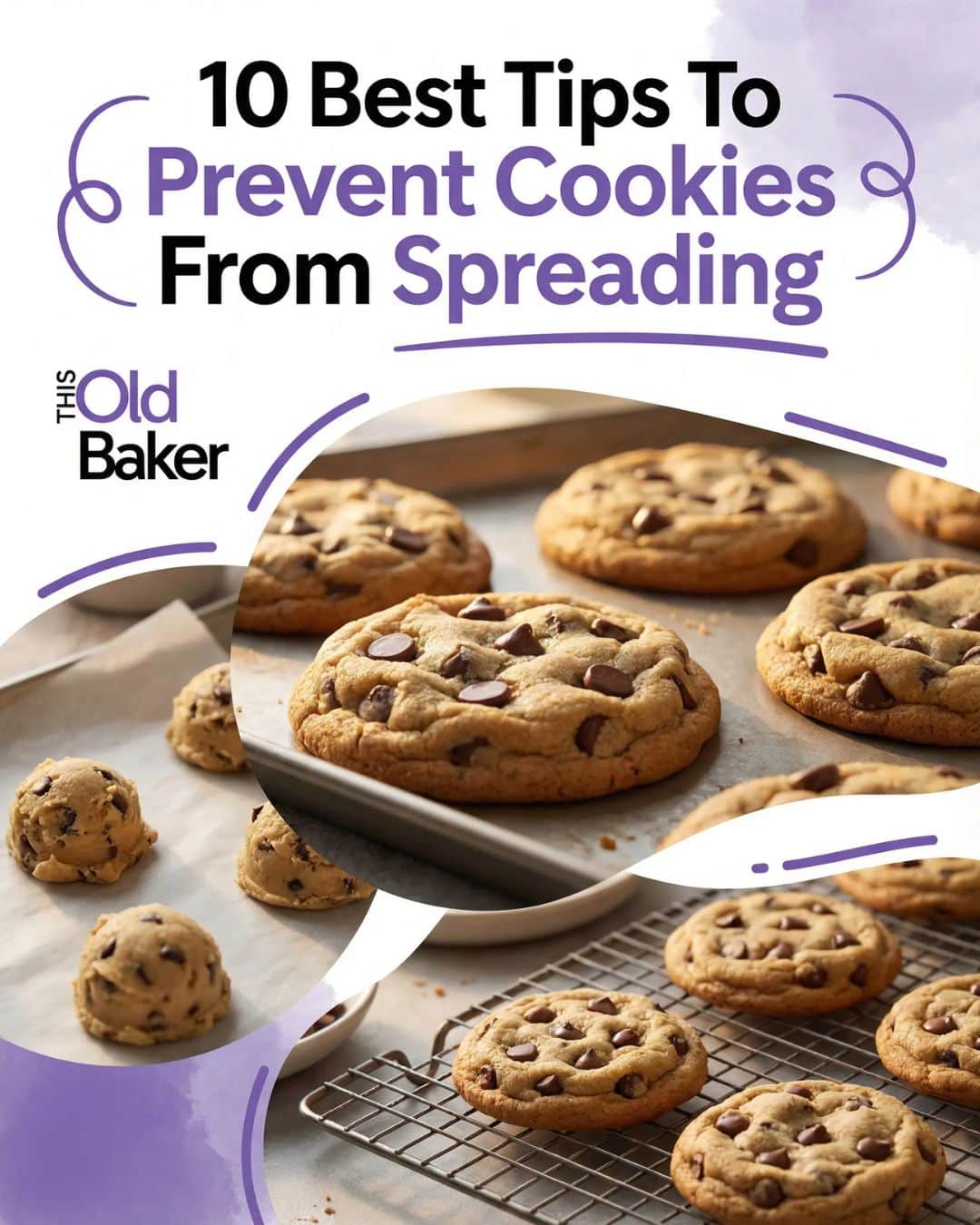
Nothing ruins a batch of cookies faster than watching them turn into a flat, crispy puddle in the oven. If you’ve ever ended up with cookies that look more like pancakes, don’t worry—you’re not alone. The good news? Preventing cookie spread is easier than you think. Just follow these ten pro tips to keep your cookies thick, chewy, and perfectly shaped every time.
1. Chill That Dough
Warm dough is a disaster waiting to happen. When butter gets too soft, cookies spread like crazy. Pop your dough into the fridge for at least 30 minutes before baking (or even overnight). Chilled dough holds its shape and bakes up beautifully. If you’re in a hurry, you can even pop it in the freezer for 15-20 minutes. This step is especially important for high-fat doughs, like chocolate chip or sugar cookie dough, which are more prone to spreading.
2. Use the Right Butter Temperature
Too soft? Your cookies will spread. Too cold? They won’t spread at all. Aim for room temperature butter—soft enough to press a fingerprint into, but not greasy. If you’re using melted butter in your recipe, make sure to chill the dough longer to compensate. Butter is the backbone of your cookie’s texture, so getting it right is crucial. If you live in a warm climate, you may need to adjust your butter consistency accordingly.
3. Measure Your Ingredients Correctly
Baking is a science, and measuring matters. Too much butter or too little flour will turn your cookies into a spreading mess. Use a kitchen scale for precision or the spoon-and-level method for measuring flour—never scoop directly from the bag! Flour provides the necessary structure to hold the cookie together, so even a small mismeasurement can make a big difference.
4. Opt for Parchment Paper Over Greased Pans
Greasing your baking sheet creates an overly slick surface, making it easier for cookies to spread. Instead, use parchment paper or a silicone baking mat. Both help cookies hold their shape while ensuring an even bake. Silicone baking mats, in particular, grip the dough slightly, keeping the cookies from over-spreading. Plus, they’re reusable and easy to clean!
5. Use High-Quality Flour
Different flours absorb liquid differently. Low-protein flours (like cake flour) won’t provide enough structure, leading to spread. Stick with all-purpose flour or even bread flour if you want extra chew and structure in your cookies. If you frequently struggle with spreading, you might even consider swapping a small portion of your flour for cornstarch, which helps create thicker cookies.
6. Don’t Over-Cream the Butter and Sugar
Yes, you need to cream them together, but overdoing it whips in too much air, which can cause cookies to collapse and spread as they bake. Mix just until light and fluffy—usually 1-2 minutes max. If you over-cream, your cookies will puff up beautifully in the oven, only to deflate into a thin, sad puddle as they cool. Stick to medium speed on your mixer, and stop once you see a smooth, combined mixture.
7. Add a Little Extra Flour
If your cookies always seem to spread no matter what, try adding an extra tablespoon or two of flour. This small tweak can give your dough more structure without making your cookies dry or tough. If your dough feels sticky or overly soft when shaping, that’s a good sign you might need a bit more flour.
8. Keep Baking Sheets Cool
Placing cookie dough on a hot baking sheet is a surefire way to get spreading. Always let your pans cool completely between batches. If you’re in a rush, run them under cold water and dry them before reusing. A hot pan will start melting the butter before the cookies even hit the oven, leading to uncontrolled spreading. Investing in multiple baking sheets can help you cycle through batches more efficiently.
9. Check Your Leavening Agents
Expired baking soda or baking powder won’t give your cookies the lift they need, which can lead to excess spread. Keep these fresh and stored properly, and double-check expiration dates before baking. Baking soda helps cookies spread just the right amount, while baking powder adds lift. If you notice your cookies coming out flatter than expected, your leavening agents could be the culprit. A quick freshness test: mix a bit of baking soda with vinegar—it should fizz actively. If not, it’s time to replace it.
10. Don’t Overload with Mix-Ins
Too many chocolate chips, nuts, or dried fruit can mess with the dough’s structure. If you go heavy on the mix-ins, balance it out by adding a touch more flour to keep everything in place. Large chunks of chocolate or nuts can create weak spots in the dough, leading to uneven spreading. If you want chunky cookies without the spread, consider chopping mix-ins smaller or using mini chocolate chips.
The Bottom Line
If your cookies are turning into a baking disaster, don’t despair! A few simple tweaks can make all the difference. Keep your dough chilled, measure carefully, and choose the right baking surface. Remember, every oven is different, so don’t be afraid to experiment with small adjustments to find the perfect method for your baking setup.
With these tricks up your sleeve, you’ll be pulling perfectly thick and chewy cookies out of the oven in no time. Now, grab that mixing bowl and get baking—your perfect cookies await!





Leave a Reply