

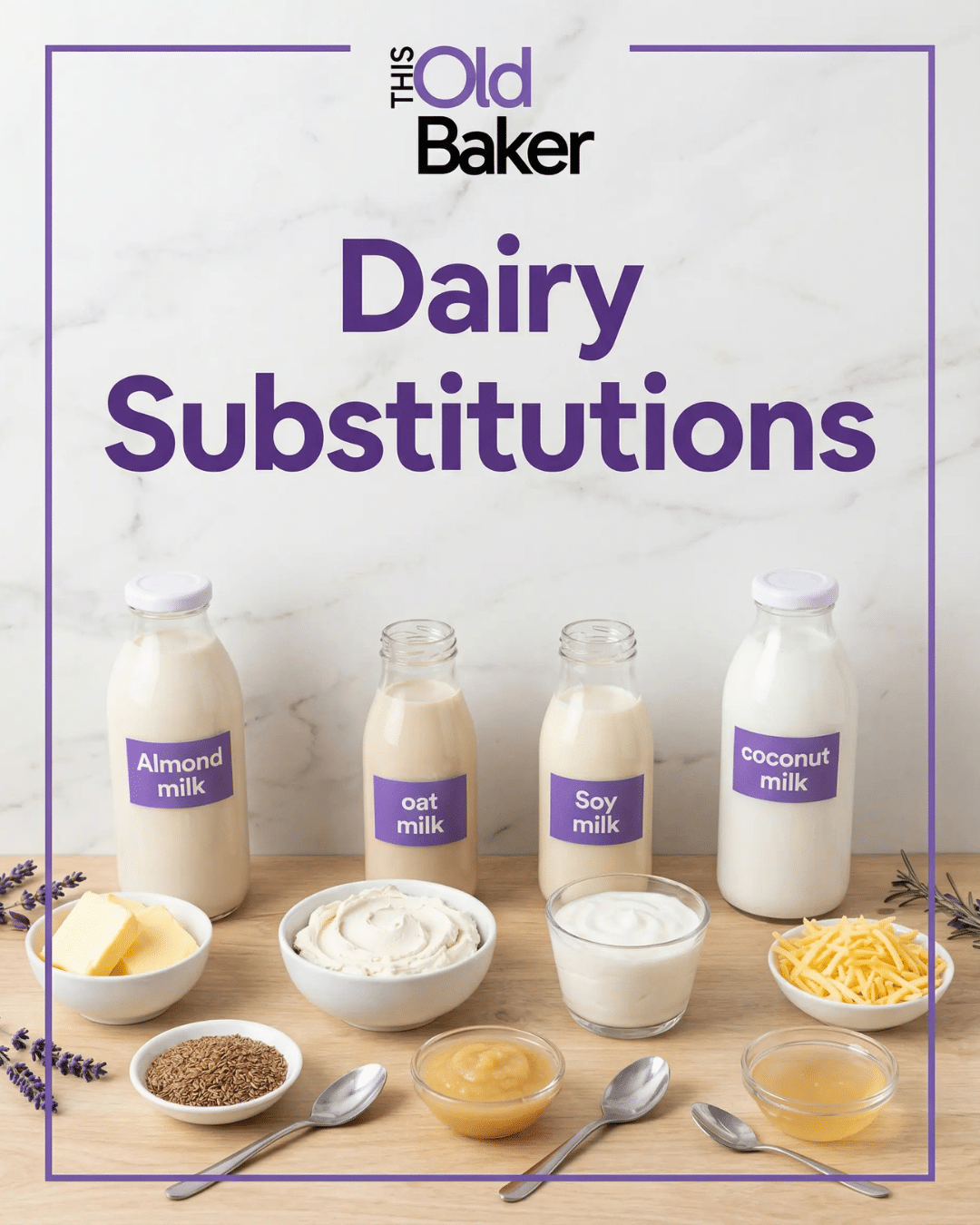
Dairy substitutions like plant-based milk, yogurt, and heavy cream alternatives play a crucial role in cooking and baking, adding richness, flavor, and texture to recipes. But whether you’re accommodating dietary restrictions, avoiding a last-minute grocery trip, or simply looking for a healthier alternative, knowing how to substitute common dairy ingredients can be a game-changer in the kitchen. Here’s a guide to some of the most effective dairy swaps, with easy alternatives you can use without compromising the taste or texture of your dishes.
- Milk (1 cup)
Milk is one of the most versatile ingredients in the kitchen, used in everything from baking to sauces and soups. If you’re out of milk or need a non-dairy alternative, try:
- 1 cup plant-based milk – Options like almond, oat, soy, or coconut milk work well in most recipes. Choose unsweetened versions for savory dishes.
- 1 cup water + 1 tbsp dry milk powder – This is a great emergency substitution that retains the dairy-based flavor.
- 1 cup half-and-half + ½ cup water – This lightens the richness while still offering a creamy texture.
- Buttermilk (1 cup)
Buttermilk is commonly used in baking to create tender, flavorful goods. It also helps activate baking soda. If you don’t have it on hand, use:
- 1 cup milk + 1 tbsp vinegar or lemon juice – Stir and let it sit for 5–10 minutes to develop a tangy, buttermilk-like consistency.
- 1 cup yogurt – This works especially well in baked goods, adding the same slight acidity and moisture.
- 1 cup sour cream thinned with ¼ cup water – This provides a similar tangy depth to baked goods and batters.
- Sour Cream (1 cup)
Sour cream adds a creamy texture and tang to dishes, but if you need a quick replacement, try:
- 1 cup Greek yogurt – This is the best one-to-one substitution, providing the same tangy flavor and creamy texture.
- 1 cup crème fraîche – A slightly milder, richer alternative that works well in sauces and dips.
- 1 cup cottage cheese blended until smooth – This gives a similar consistency with a slight difference in taste.
- Cream Cheese (8 oz)
Cream cheese is a staple in cheesecakes, frostings, and creamy sauces. If you need a substitute, consider:
- 8 oz ricotta cheese – While not as dense, ricotta works well in many baked dishes and spreads.
- 8 oz mascarpone – This Italian cheese is very similar in texture and flavor, making it a great alternative.
- 8 oz blended cottage cheese + 2 tbsp heavy cream – This mixture mimics the smooth texture of cream cheese.
- Heavy Cream (1 cup)
Heavy cream is often used to add richness to sauces, soups, and desserts. If you need a substitute, try:
- 1 cup half-and-half – While slightly lighter, it still provides a creamy consistency.
- ¾ cup milk + ⅓ cup melted butter – This mimics the fat content of heavy cream and works well in cooking and baking.
- 1 cup coconut cream – A dairy-free alternative that provides a similarly rich texture.
- Half-and-Half (1 cup)
Half-and-half is a combination of milk and cream, used in coffee, soups, and sauces. If you don’t have it, you can substitute with:
- 1 cup whole milk + 2 tbsp butter – This provides a similar fat content and consistency.
- ½ cup heavy cream + ½ cup milk – This closely mimics traditional half-and-half.
- Evaporated Milk (1 cup)
Evaporated milk is commonly used in baking and cooking for its creamy texture and slightly caramelized flavor. You can replace it with:
- 1 cup regular milk simmered until reduced by half – This mimics the thicker consistency of evaporated milk.
- ¾ cup heavy cream + ¼ cup water – This closely matches the richness of evaporated milk.
- 1 cup coconut milk – Works well in recipes that require a dairy-free alternative.
- Condensed Milk (1 cup)
Sweetened condensed milk is used in desserts and candies, providing a thick, sugary base. If you need an alternative, try:
- 1 cup evaporated milk + ¾ cup sugar – Mix and heat until the sugar is fully dissolved, and you’ll get a close match.
- 1 cup coconut milk + ¾ cup sugar, simmered until thick – A great dairy-free option.
- 1 cup heavy cream + ½ cup sugar, reduced by simmering – Creates a thick, sweet substitute.
Final Thoughts
Knowing dairy substitutions and how to use them effectively can save you time, money, and unnecessary trips to the store. Whether you’re avoiding dairy altogether, accommodating dietary preferences, or just making do with what’s in your fridge, these substitutions will help you maintain the integrity of your recipes.
Experimenting with dairy substitutes can also open the door to new flavors and textures in your cooking. Try out different alternatives and see which ones work best for your favorite dishes.
Do you have a favorite dairy swap? Let us know in the comments!





Leave a Reply