

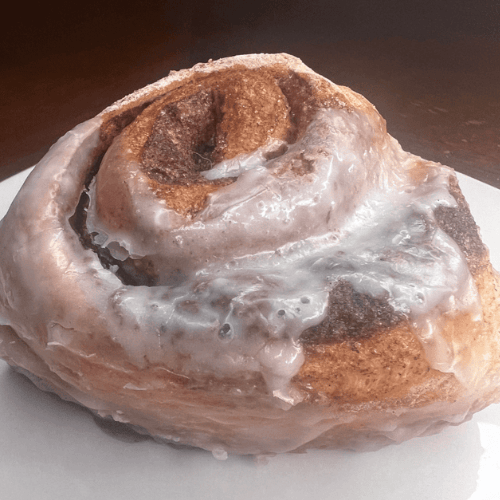
There’s nothing quite like the aroma of freshly baked cinnamon rolls wafting through your kitchen. They’re warm, gooey, and the ultimate comfort food, perfect for starting your day on a sweet note or sharing with loved ones. But for those who follow a gluten-free lifestyle, the dream of enjoying this indulgent treat can feel out of reach. Thankfully, homemade gluten-free cinnamon rolls are not only possible but also incredibly delicious, allowing you to enjoy scratch baking with all the nostalgic flavors you crave.
Why Go Homemade?
One of the biggest advantages of making gluten-free cinnamon rolls at home is the control you have over the ingredients. Store-bought options often include a long list of additives and preservatives to extend shelf life. When you bake from scratch, you can focus on high-quality, natural ingredients, ensuring every bite is not only tasty but also wholesome. Plus, baking at home gives you the freedom to adjust sweetness levels, experiment with fillings, and customize the glaze to suit your preferences.
Scratch baking also provides the satisfaction of creating something truly special. Rolling out dough, sprinkling cinnamon sugar, and carefully shaping each roll are therapeutic steps that connect you to the art of baking. The effort you put in makes the end result even more rewarding.
The Challenges of Gluten-Free Baking
If you’ve ever baked gluten-free, you know it can be a different beast from traditional baking. Gluten is the protein that gives dough its elasticity and helps it rise, creating that fluffy, airy texture we all love. Without gluten, you need to rely on alternative flours and binders to achieve a similar consistency.
For cinnamon rolls, this means finding the right balance of flours, starches, and xanthan gum or psyllium husk to create a dough that’s easy to work with and doesn’t crumble during rolling. While it can take a bit of trial and error to perfect your technique, the payoff is well worth the effort. Modern gluten-free flour blends and recipes are so advanced that it’s entirely possible to achieve rolls that rival their wheat-based counterparts.
Tips for Success
- Choose the Right Flour Blend: A good gluten-free flour mix is the foundation of any successful gluten-free baking project. Look for a blend specifically designed for yeast-based recipes, as it’ll have the ideal mix of starches and proteins to mimic the elasticity of gluten. Many pre-made blends include xanthan gum, but if yours doesn’t, you’ll need to add it separately.
- Don’t Skip the Rising Time: Yeast dough needs time to rise and develop flavor, even when it’s gluten-free. Create a warm, draft-free environment for the dough to rise—a slightly preheated oven or a sunny spot in your kitchen works well. Be patient, as gluten-free dough may not double in size like traditional dough, but it should become slightly puffed.
- Handle with Care: Gluten-free dough is typically stickier and more delicate than regular dough. Dust your work surface generously with gluten-free flour and use a rolling pin to gently shape the dough. If it tears, don’t stress—you can patch it together as you roll.
- Layer on the Flavor: The hallmark of a great cinnamon roll is the filling. Don’t hold back on the cinnamon-sugar mixture; it’s what creates those iconic swirls of flavor. Adding a touch of melted butter before sprinkling the sugar helps it stick to the dough and enhances the overall taste.
- Perfect the Glaze: A drizzle of glaze takes cinnamon rolls to the next level. Whether you prefer a classic powdered sugar and milk glaze or something more decadent like cream cheese frosting, make sure it’s thick enough to coat the rolls but thin enough to seep into all the nooks and crannies.
The Joy of Scratch Baking
Baking gluten-free cinnamon rolls from scratch is about more than just the end product—it’s an experience. From the moment you start measuring out ingredients to the first bite of a warm, fragrant roll, every step is filled with anticipation and joy. Scratch baking gives you a sense of accomplishment and a deeper connection to the food you’re creating.
It’s also an opportunity to share your passion with others. Whether you’re making these cinnamon rolls for a family brunch, a holiday gathering, or just a quiet morning at home, they’re sure to impress. Even those who don’t follow a gluten-free diet will be amazed by their soft texture and rich flavor.
A Treat Worth the Effort
Yes, gluten-free cinnamon rolls require a bit of extra effort, but the results are undeniably worth it. They’re a testament to the power of homemade baking, proving that with the right techniques and a little patience, you can recreate your favorite treats without compromise.
So why not give scratch baking a try? Roll up your sleeves, dust off your rolling pin, and get ready to fill your kitchen with the irresistible aroma of gluten-free cinnamon rolls. Whether it’s your first attempt or you’re a seasoned baker, the satisfaction of pulling a tray of golden, swirled rolls from the oven is second to none.
Embrace the Gluten-Free Lifestyle
Living gluten-free doesn’t mean giving up the foods you love; it’s about discovering new ways to enjoy them. Homemade gluten-free cinnamon rolls are a delicious reminder that with a little creativity and effort, you can enjoy all the comforts of scratch baking while staying true to your dietary needs. So go ahead—embrace the challenge, savor the process, and treat yourself to a batch of warm, gooey cinnamon rolls made with love.
Gluten-Free Cinnamon Rolls
Ingredients
- 3 cups all purpose gluten free flour blend
- 2 teaspoons xanthan gum omit if your blend already contains it
- ¼ cup tapioca starch/flour
- ½ cup dry milk powder or buttermilk powder; make sure it’s powder not liquid!
- 2 teaspoons instant yeast
- ¼ teaspoon cream of tartar
- ¼ teaspoon baking soda
- 2 tablespoons packed light brown sugar
- 1 teaspoon kosher salt
- 1 teaspoon apple cider vinegar
- 4 tablespoons unsalted butter at room temperature
- 1 egg at room temperature beaten
- 1 ¼ cups 10 ounces warm milk about 95°F (plus a bit more, only as necessary)
For the filling
- 4 tablespoons unsalted butter at room temperature
- ¾ cup packed light brown sugar
- 1 teaspoon ground cinnamon
For a glaze
- 1 cup powdered sugar sifted
- 1 tablespoon milk any kind plus more by the 1/4 teaspoonful
Instructions
- In the bowl of a stand mixer fitted with the paddle attachment, place the flour, xanthan gum, tapioca starch, milk powder, yeast, cream of tartar, baking soda and sugar in the bowl of your stand mixer. Whisk to combine well with a separate, handheld whisk.
- Add the salt, and whisk with a separate whisk again to combine well.
- Add the cider vinegar, butter, and egg, and milk, and mix to combine well.
- Turn the mixer up to high and let it work for about 3 minutes. If necessary to help the mixture become smooth and cohesive, add more milk by the drop, only as essential to bring the dough together.
- The dough will be moist but continue to mix until the dough starts to pull away from the sides of the bowl in spots.
- To make the dough easier to handle, transfer it to a sealed container and refrigerate it for 30 minutes.
- Roll out the dough.
- Turn the chilled dough out onto a flat, lightly floured surface. Sprinkle it with some extra flour and knead it gently until it’s somewhat smoother.
- Divide the dough in half, and place one half under a tea towel to prevent it from drying out.
- Using a rolling pin and sprinkling lightly with flour as necessary to prevent sticking, roll the remaining half of dough into a rectangular shape about 1/2-inch thick, and about 9 inches wide x 12-inches long.
- Add the filling and shape the dough, one piece at a time.
- Beginning with the first piece of dough and using an offset spatula or spoon, spread half of the softened butter all around the rectangle, leaving 1-inch border clean all around.
- Sprinkle with half of the brown sugar evenly on top of the butter and pat the brown sugar down lightly with your fingers to help it stick to the butter. Sprinkle the cinnamon evenly on top of the sugar.
- Starting at a short side, roll the dough tightly into a coil. Using a piece of unwaxed dental floss or thread or a very sharp knife, cut rolls in cross-section each about 2-inches wide.
- Place the rolls in the prepared baking pan, about 1-inch apart. Apply even pressure to the top of each roll with your fingers to compress the coil about 1/3 of the way down.
- Repeat the process with the other half of the dough, and the other half of the softened butter and brown sugar.
- Let the rolls rise.
- Cover the pan with lightly oiled plastic wrap and set in a warm, draft-free location to rise until about 150% its original size. It should take about 45 minutes, but may take longer in a cold, dry environment.
- Bake the rolls.
- When the dough is nearing the end of its rise, preheat your oven to 350°F. Remove the plastic wrap and place the pan in the center of the preheated oven.
- Bake for about 20 minutes or until the cinnamon rolls are risen, just beginning to brown on top and cooked all the way through. Remove from the oven and let the rolls cool for about 10 minutes.
- If you plan to add the glaze (or frosting), make it right when the rolls come out of the oven so you can add it when they’re still warm.
Make the (optional) glaze.
- In a small bowl, place the confectioners’ sugar and milk. Mix well, until a thick paste forms.
- Add more milk by the 1/4-teaspoon, mixing to combine well, until the glaze falls off the spoon slowly, in a thick but pourable glaze.
- Drizzle the glaze on top of the warm rolls and allow to set briefly before serving.

Leave a Reply