

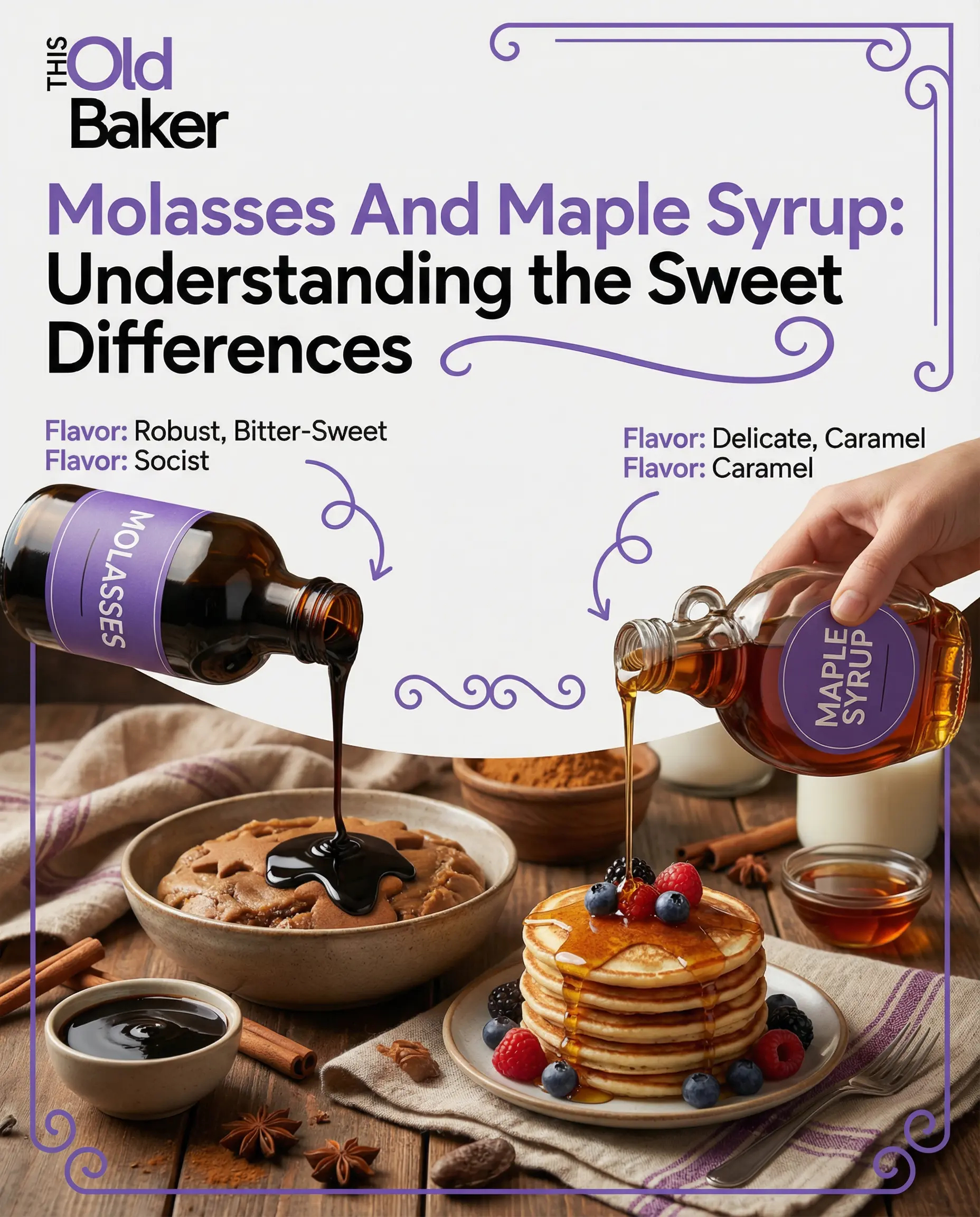
When it comes to natural sweeteners, molasses and maple syrup stand out as two of the most popular choices. Both are flavorful, versatile, and often considered healthier alternatives to refined sugar. But how do they compare in terms of nutrition, flavor, and uses? In this blog post, we’ll explore the differences between molasses and maple syrup, focusing on their nutritional profiles, health benefits, and how they fit into a balanced diet.
What is Molasses?
Molasses is a thick, dark syrup derived from sugar cane or sugar beet processing. It is a byproduct of refining sugar, but unlike white sugar, molasses retains many nutrients. There are different types of molasses:
- Light Molasses: The first boiling of the sugar syrup, lighter in color and flavor.
- Dark Molasses: Produced from the second boiling, darker and richer in taste.
- Blackstrap Molasses: The result of the third boiling, known for its robust flavor and high nutritional content.
Molasses has a rich, caramel-like flavor and is often used in baking, marinades, and sauces. It’s particularly popular in gingerbread recipes and barbecue dishes.
What is Maple Syrup?
Maple syrup, on the other hand, is made by boiling the sap of maple trees. It has a smooth, sweet flavor with hints of caramel and vanilla. Pure maple syrup is classified into grades based on color and flavor intensity:
- Grade A Golden: Delicate flavor, ideal for drizzling over pancakes.
- Grade A Amber: Rich flavor, great for baking and cooking.
- Grade A Dark: Strong flavor, suitable for glazes and savory dishes.
Unlike molasses, maple syrup is primarily used as a topping or sweetener for breakfast foods like waffles, pancakes, and oatmeal.
Nutritional Comparison
When comparing molasses and maple syrup, their nutritional profiles show distinct differences.
Calories and Sugar Content:
- Molasses contains about 58 calories per tablespoon, with approximately 15 grams of sugar.
- Maple syrup has roughly 52 calories per tablespoon, with about 12 grams of sugar.
Vitamins and Minerals: Molasses is rich in iron, calcium, magnesium, potassium, and vitamin B6, making it a nutrient-dense sweetener. Blackstrap molasses, in particular, is often recommended as a dietary supplement for those with iron deficiencies.
Maple syrup provides manganese and zinc, essential minerals that support immune health and energy production.
Antioxidants: Both sweeteners contain antioxidants, though maple syrup has slightly higher levels, which may help combat inflammation and oxidative stress.
Health Benefits
Molasses Health Benefits:
- Supports bone health due to its calcium and magnesium content.
- Helps prevent anemia by providing iron.
- Promotes healthy digestion thanks to its potassium content.
Maple Syrup Health Benefits:
- Boosts immune function with its zinc and manganese levels.
- Contains polyphenols, which may have anti-inflammatory properties.
- Offers a lower glycemic index than regular sugar, potentially reducing blood sugar spikes.
Uses in Cooking and Baking
Molasses and maple syrup each bring unique flavors and textures to recipes, making them versatile ingredients in the kitchen.
Molasses Uses:
- Adds moisture and depth to baked goods like cookies and cakes.
- Enhances the flavor of barbecue sauces and marinades.
- Used in savory dishes such as baked beans and glazes.
Maple Syrup Uses:
- Perfect as a topping for pancakes, waffles, and yogurt.
- Sweetens beverages like coffee, tea, and smoothies.
- Works well in salad dressings, glazes, and roasted vegetables.
Which is Healthier?
Choosing between molasses and maple syrup depends on your dietary needs and taste preferences. If you’re looking for a mineral-rich sweetener with a bold flavor, molasses is an excellent choice. It’s particularly beneficial for individuals needing extra iron or calcium.
For those seeking a lighter, more versatile sweetener, maple syrup is ideal. Its lower glycemic index and antioxidant content make it a healthier option than refined sugar.
Substituting Molasses and Maple Syrup
Because molasses and maple syrup have distinct flavors and consistencies, substituting one for the other requires adjustments.
- Replacing Molasses with Maple Syrup: Use a 1:1 ratio, but expect a milder flavor and thinner texture.
- Replacing Maple Syrup with Molasses: Use slightly less molasses, as its flavor is more intense.
The Verdict: Molasses or Maple Syrup?
Both offer unique health benefits and culinary uses. Whether you’re baking, cooking, or sweetening your morning coffee, these natural sweeteners provide healthier alternatives to refined sugar. Incorporating them into your diet can add flavor and nutrients without sacrificing sweetness.
When choosing between molasses and maple syrup, consider your personal health goals and flavor preferences. Molasses may be the better choice for those seeking a nutrient-packed boost, while maple syrup is perfect for those looking for a versatile and delicious natural sweetener.
No matter which you prefer, both molasses and maple syrup can enhance your meals while supporting a healthy lifestyle. Explore their flavors and experiment in your recipes to find the perfect fit for your culinary needs!
Read more tips such as How To Clean Your Copper Cookware or 30 Recipes To Make With Your Dry Onion Soup Mix for more inspiration.


Leave a Reply