

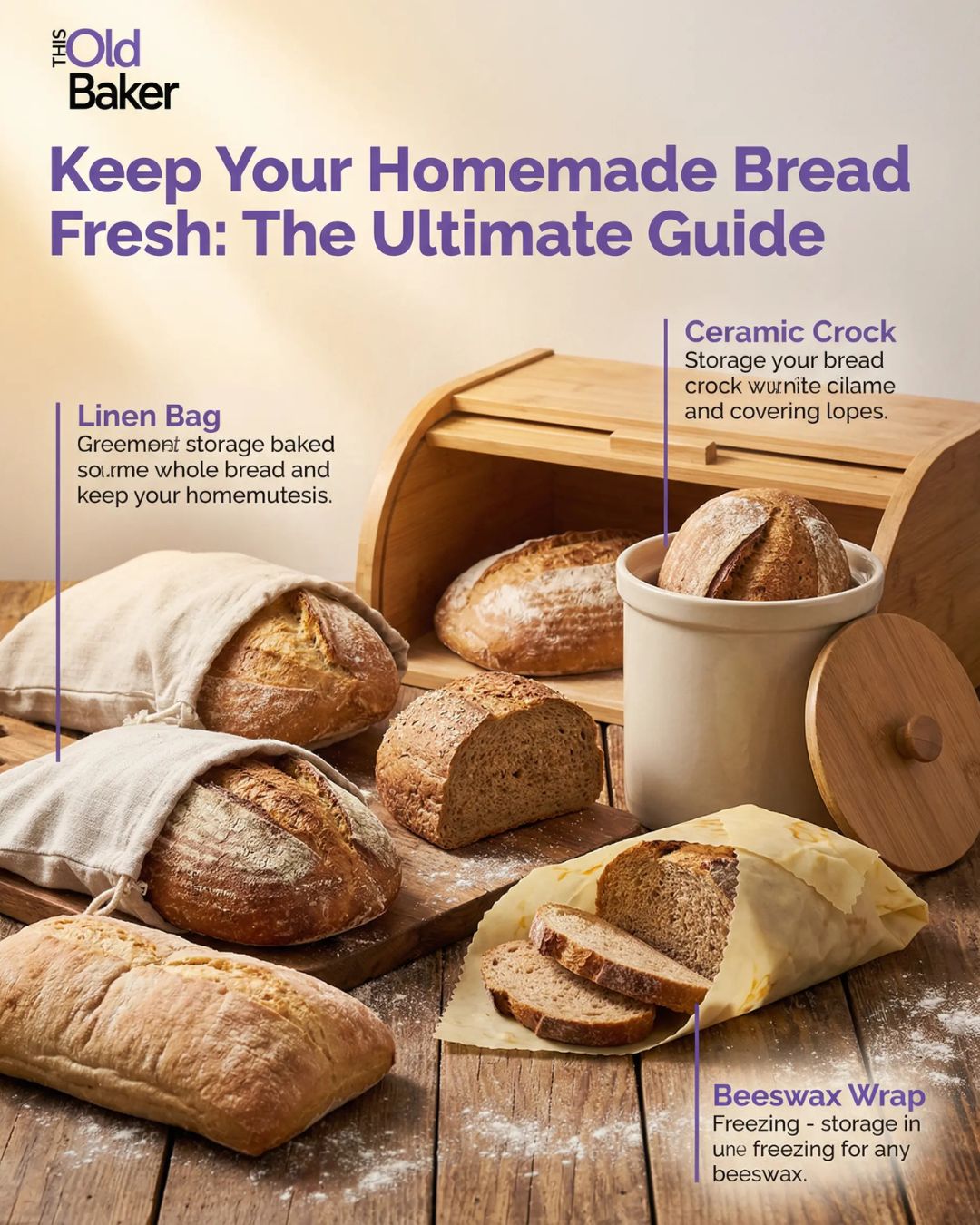
Few things compare to the mouthwatering scent of freshly baked homemade bread filling your home. That warm, inviting aroma, the golden-brown crust, the soft and pillowy center—it’s pure, nostalgic bliss. Baking bread at home is a labor of love, one that rewards you with unbeatable flavor and texture. But once you’ve savored that first slice fresh from the oven, an important question arises: how do you keep your homemade bread fresh for as long as possible?
Homemade bread doesn’t contain the preservatives found in store-bought loaves, which is great for your health but can pose a challenge when it comes to storage. Without those additives, your bread is more vulnerable to going stale or molding if not stored properly. But don’t worry, fellow bread-lovers! With a little know-how and the right techniques, you can keep your loaf tasting amazing for days to come.
Understanding What Spoils Homemade Bread
Before diving into solutions, let’s take a look at the three main culprits that threaten your fresh-baked masterpiece:
1. Air
Air exposure is one of the fastest ways to dry out bread. The more surface area that’s exposed, the quicker moisture escapes, leaving your loaf hard and crumbly.
2. Moisture
While dryness is an issue, too much moisture is just as bad. Excess humidity inside a container or bag can lead to mold. Bread needs just the right balance to stay soft but not soggy.
3. Heat
Warm environments accelerate spoilage. When bread is stored in a hot place, mold grows faster, and flavors degrade more quickly.
To preserve your bread’s texture, flavor, and freshness, you need to manage air, moisture, and heat carefully.
Pro Tips for Keeping Homemade Bread Fresh
Let It Cool Completely
Fresh from the oven, your bread smells divine and you might be tempted to store it right away—but wait. Warm bread releases steam, and if wrapped too early, that steam condenses into moisture, creating a soggy environment that invites mold. Always let your loaf cool completely on a wire rack before storing.
Slice as Needed
While pre-sliced bread is convenient, cutting the entire loaf at once exposes more surface area to air, speeding up the staling process. Instead, keep your loaf intact and slice off what you need. This helps preserve internal moisture and maintain a softer crumb.
Use the Right Wrapping
Skip the plastic wrap for short-term storage. While plastic traps moisture, it doesn’t allow for airflow, which can lead to mold. Instead, opt for:
- Beeswax wraps
- Linen or cotton bread bags
- Clean kitchen towels
These breathable materials allow a bit of airflow while still keeping your bread from drying out too quickly. They’re perfect for storing bread at room temperature for a few days.
Store in a Breadbox or Ventilated Container
A breadbox is a tried-and-true storage solution. It maintains the perfect environment by keeping light and air out while allowing a small amount of ventilation. If you don’t have a breadbox, a paper bag or loosely closed container can also work—just make sure it’s not airtight.
Freeze for Long-Term Storage
When you want to keep your bread fresh beyond a few days, freezing is the way to go. Here’s how to do it right:
- Cool the bread completely.
- Slice the loaf before freezing so you can thaw individual slices as needed.
- Wrap tightly in plastic wrap or foil.
- Place in a freezer-safe bag, removing as much air as possible.
- Label and date your bread.
To use, simply thaw at room temperature or pop a slice directly into the toaster. It will taste just as good as the day you baked it.
Skip the Fridge
One of the most common mistakes is storing homemade bread in the refrigerator. It might seem like a good idea, but cold temperatures actually speed up the staling process due to a phenomenon called starch retrogradation. In other words, the fridge makes your bread go stale faster. Unless your climate is extremely humid and mold is a serious concern, keep your bread out of the fridge.
Bread Storage Mistakes to Avoid
To extend the life of your homemade bread, steer clear of these common pitfalls:
- ❌ Don’t store in direct sunlight or near a heat source. This accelerates spoilage.
- ❌ Avoid fully sealed plastic bags unless you’re freezing the bread.
- ❌ Don’t wrap warm bread. Always let it cool first.
How Long Does Homemade Bread Last?
The shelf life of homemade bread depends on the type of bread and storage method:
- Room temperature, properly stored: 2–3 days
- Refrigerated (not recommended): Up to 5 days, but quality declines fast
- Frozen: Up to 3 months
Sourdough tends to last slightly longer than other types due to its natural acidity, which helps deter mold.
Bonus Tip: Reviving Stale Bread
If your bread does go a little stale, don’t toss it! You can often bring it back to life with a little moisture and heat:
- Lightly sprinkle or brush the loaf with water.
- Wrap it in foil.
- Heat in a 300°F (150°C) oven for 10–15 minutes.
This will soften the crust and restore moisture to the interior. It’s a great way to make the most of every loaf.
A Fresh Finish
With the right techniques, your homemade bread can stay fresh, soft, and delicious for days. From breathable wraps to smart freezing strategies, a few simple habits make all the difference. Remember, the key is balance—protect your bread from too much air, moisture, and heat, and you’ll enjoy every last slice just the way you intended: warm, flavorful, and full of homemade love.
So go ahead, bake that beautiful loaf. Because now you know how to keep it fresh from the first bite to the last crumb. Happy baking!

Leave a Reply