

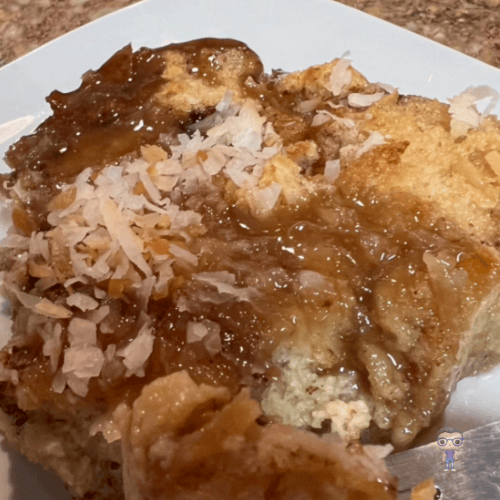
FBread pudding is one of those desserts that refuses to be fancy — and yet somehow steals the show every single time. It was born from thrift, built on leftovers, and perfected in home kitchens long before anyone called it “artisanal.” And honestly? That’s exactly why we love it.
This is humble food with backbone. A dessert that proves you don’t need rare ingredients or complicated techniques to create something memorable. All you need is a little stale bread and the good sense not to throw it away.
A Dessert Rooted in Practicality
Bread pudding began as a way to avoid waste. In households where nothing was tossed without a second thought, stale bread was never considered useless. It was opportunity.
Across Europe, cooks soaked hardened bread in milk, sweetened it, baked it, and turned yesterday’s leftovers into tomorrow’s comfort. Immigrants brought those traditions to America, where bread pudding evolved into regional favorites — from rich Southern versions drenched in sauce to simpler farmhouse-style bakes dusted with sugar.
At its heart, bread pudding is resourcefulness. It’s the kind of dessert that says, “We make do — and we make it delicious.”
Why Stale Bread Is Actually Better
Fresh bread is soft and airy. Stale bread? That’s structure.
When bread dries out, it becomes the perfect sponge. It absorbs custard without collapsing into mush. Instead of turning soggy, it transforms — soaking up flavor while maintaining enough body to slice cleanly once baked.
That’s why this dessert is so forgiving. French bread, Italian bread, brioche, challah — they all work. Each brings a slightly different personality. Brioche adds richness. French bread keeps it classic. Challah adds gentle sweetness.
Stale bread isn’t a flaw here. It’s the foundation.
The Magic of Custard
What elevates bread pudding from “leftover casserole” to true dessert is the custard. Eggs, milk or cream, sugar, and warm spices combine into something that feels far more luxurious than its parts.
The custard seeps into every nook and cranny of the bread. As it bakes, it transforms into a soft, almost creamy interior with a lightly golden top. The edges caramelize. The center stays tender. It’s contrast in every bite.
And the aroma? Cinnamon and nutmeg drifting through the kitchen will stop people mid-sentence.
The Texture That Wins Everyone Over
Bread pudding lives in that perfect middle ground between cake and custard. It’s not dry. It’s not overly wet. It’s soft but structured.
You can serve it warm and spoonable straight from the pan. Or let it cool and slice it into neat squares. It reheats beautifully. Some would argue it’s even better the next day, once the flavors settle and deepen.
That’s the beauty of it — it doesn’t demand precision. It welcomes interpretation.
A Dessert That Feels Like Home
There are desserts that impress guests, and there are desserts that feel like a hug. Bread pudding belongs to the second category.
It shows up at Sunday dinners, potlucks, church gatherings, and holiday tables. It’s the kind of dish someone’s grandmother made “by feel,” never measuring too closely.
It feels old-fashioned in the best possible way. Familiar. Steady. Reliable.
When you bring bread pudding to the table, no one asks what it is. They lean in.
Endless Ways to Make It Your Own
Bread pudding may be traditional, but it’s anything but boring. It’s a canvas.
Add raisins for a classic touch. Stir in chocolate chips for a richer twist. Fold in diced apples or peaches for a seasonal spin. Splash in a bit of bourbon or rum for warmth. Top it with caramel sauce, vanilla sauce, or a simple dusting of powdered sugar.
You can keep it rustic. Or you can dress it up.
The base is simple enough to welcome creativity without losing its soul.
The Budget-Friendly Dessert That Feels Expensive
In a world where grocery prices seem to rise weekly, bread pudding remains one of the most cost-effective desserts you can make.
It uses what you already have: leftover bread, pantry staples, basic dairy. No specialty ingredients. No expensive gadgets. No stress.
And yet, when it comes out of the oven golden and fragrant, it feels indulgent.
That’s the quiet power of pantry baking. It turns everyday ingredients into something that tastes far beyond its cost.
Perfect for Feeding a Crowd
Bread pudding shines when you need to serve a group. It bakes in a large dish, travels well, and portions easily.
It can sit at room temperature. It reheats without complaint. It doesn’t collapse or deflate like more delicate desserts.
For holiday meals, it’s a gift. For potlucks, it’s dependable. For busy weeknights, it’s forgiving.
And let’s be honest — it stretches. A pan goes a long way.
The Comfort Factor
There’s something deeply comforting about the smell of warm milk, sugar, and spices baking together. Bread pudding doesn’t try to be trendy. It doesn’t need a glaze or garnish to justify itself.
It’s warm. It’s cozy. It fills the kitchen with a scent that feels like slower days and handwritten recipe cards.
In uncertain times, comfort food matters. And bread pudding quietly delivers it without fanfare.
Why Bread Pudding Endures
Food trends come and go. But bread pudding remains.
Because at its core, it represents something timeless: thrift, warmth, and creativity born from simplicity.
It reminds us that good food doesn’t require extravagance. That leftovers aren’t failures. That a humble loaf of bread can become something memorable.
It’s a dessert with history. With purpose. With heart.
And perhaps that’s why, generation after generation, someone always keeps making it.
Not because it’s flashy.
But because it works.
And because sometimes, the best things in the kitchen start with what you almost threw away. 🍞✨
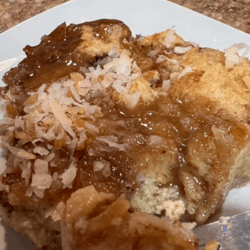
Bread Pudding
Ingredients
Bread
- 10 cups French or Italian bread stale is best
- 8 large eggs
- 3 cups whole milk
- 1 cup sugar
- 1 cup light brown sugar tightly packed
- 1 tsp vanilla extract
- 1 tsp nutmeg
- 1 tsp cinnamon
- 4 tbsp butter melted
Caramel Sauce
- 1/2 cup light brown sugar tightly packed
- 1/2 cup heavy cream
- 1/2 tsp vanilla extract
- 4 tbsp butter
Instructions
- Preheat the oven to 350 degrees F.
- Prepare a 9 x 13 dish by spraying with nonstick spray
- Spread the cubed bread evenly in the bottom of the baking dish.
- In a large mixing bowl whisk together the eggs, milk, both sugars, vanilla extract, cinnamon, and nutmeg. Mix until all ingredients are well incorporated.
- Pour the egg mixture over the bread cubes. Allow this to sit for about 10 minutes.
- After the bread mixture has set for 10 minutes, drizzle the 4 tablespoons of melted butter on top of the soaked bread cubes.
- Place the baking dish in the oven and bake for 45 minutes.
- While the bread pudding is baking, in a medium sized saucepan, combine the light brown sugar, heavy cream, and butter to make your caramel sauce. Heat this mixture over medium heat.
- Whisking intermittently, cook the carmel mixture for 5 to 6 minutes .
- Remove the caramel sauce from the heat and whisk in the ½ teaspoon of vanilla extract.
- Pour the caramel sauce over the bread pudding, immediately after removing the pudding from the oven. Serve while warm.

Leave a Reply