

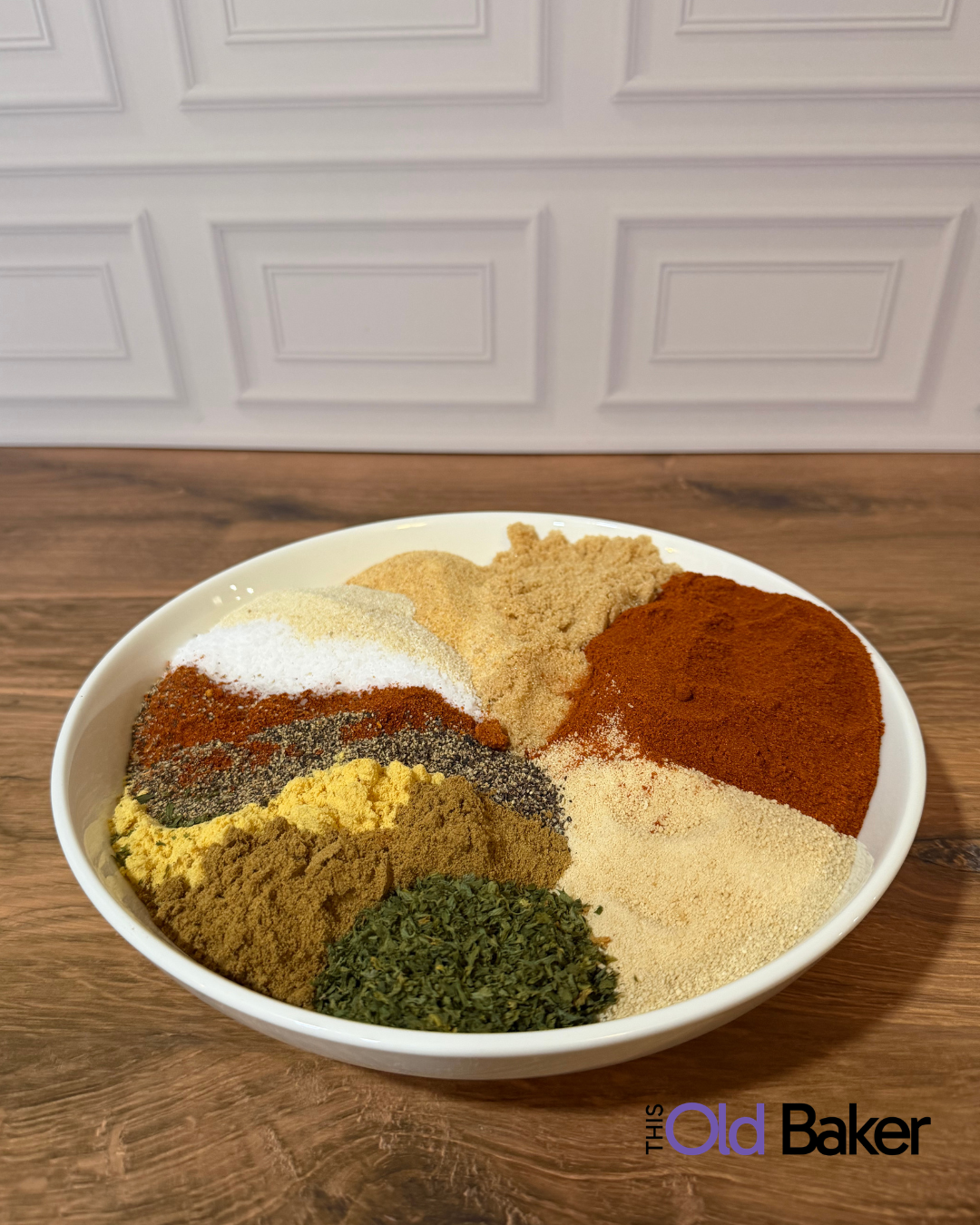
Eleven ingredients in a quart jar — honey powder, smoked paprika, brown sugar, garlic powder, onion powder, salt, chili powder, black pepper, dry mustard, cumin, and parsley. That’s the mix. Two to three tablespoons tossed with two pounds of wings in a tablespoon of oil, baked at 425°F for 45 to 50 minutes on a wire rack. All the honey BBQ flavor without the sticky sauce situation — crispy skin, deep color, and seasoning that stays on the wing instead of pooling at the bottom of the pan.
One jar keeps up to a year. It works for game day, weeknight dinners, and anything else you’d reach for a bottle of BBQ sauce to flavor.
Honey Powder — The Ingredient That Makes This Work
Liquid honey on a dry rub is a contradiction — it makes the seasoning wet, prevents it from sticking evenly, and causes the wings to steam rather than crisp. Honey powder solves that entirely. It delivers genuine honey flavor in dry form, blends evenly with the other spices, and stays shelf-stable in the jar for the full year.
At one full cup in this batch, honey powder is the dominant flavor note. It creates the characteristic sweetness of honey BBQ — present in every bite — without any of the moisture that causes coating problems. The smoked paprika and brown sugar build on top of that honey base to produce something that tastes specifically like honey BBQ rather than just sweet BBQ.
Honey powder is available online and at some specialty grocery stores. It’s linked in the recipe card. A jar goes a long way — one cup for this seasoning batch still leaves most of the container for other uses.
The Brown Sugar
Half a cup of brown sugar alongside a full cup of honey powder is what produces the deep caramelized color on the finished wings. Brown sugar caramelizes at high oven heat and creates the dark, glossy surface that makes these look like they’ve been basted with sauce even though they haven’t. The molasses in brown sugar also adds depth that white sugar doesn’t — it reads as more complex than straight sweetness.
Break up any brown sugar clumps before or during whisking. Clumped brown sugar in a dry rub creates uneven spots on the wings where the sugar concentration is too high in one place and absent in another. Thorough whisking until the mixture is completely uniform is what produces even coverage across every wing.
The Smoked Paprika
One full cup of smoked paprika is a significant amount and it’s doing two things simultaneously. It’s the primary source of BBQ flavor in this blend — the smoky, earthy, slightly sweet character that makes something taste like it came off a grill even when it came out of an oven. And it’s the color agent that turns the wings deep red-orange during baking, which is the visual cue that says BBQ before anyone takes a bite.
Use smoked paprika specifically — not sweet paprika, not hot paprika. Smoked paprika is the variety with the specific BBQ-adjacent character this blend needs. The difference in flavor between smoked and sweet paprika is significant enough to produce a noticeably different result.
The Supporting Cast
Garlic powder and onion powder at half a cup each build the savory foundation that keeps this from tasting purely sweet. Without them the honey and brown sugar dominate and the seasoning reads as candy rather than BBQ.
Dry mustard adds a faint sharpness that’s characteristic of good BBQ sauce. You won’t identify it specifically in the finished wings, but remove it and something is missing. It’s doing background work that shows up in its absence.
Cumin adds an earthy, slightly warm note that deepens the overall flavor without pushing it in a specifically Tex-Mex direction. Two tablespoons in a large batch is subtle.
Chili powder at a quarter cup adds mild heat and complexity. This is not a spicy seasoning at this amount — the chili powder is contributing depth rather than fire. For a spicy honey BBQ direction, add two tablespoons of cayenne or chipotle powder to the jar.
Coarse black pepper adds a faint bite that balances the sweetness. Dried parsley adds color flecks and a mild herbal note visible in the crust.
Pat the Wings Dry — No Exceptions
The single most important prep step: pat every wing completely dry with paper towels before oil and seasoning go on. Moisture on the skin surface turns to steam in the oven and prevents browning. Dry wings produce a crust that crisps and caramelizes. Wet wings produce pale, soft skin regardless of temperature or timing.
The 30-minute resting tip in the recipe notes is worth doing. After tossing the wings in oil and seasoning, let them sit on the rack uncovered for 30 minutes before they go in the oven. The resting time allows the seasoning to adhere more firmly to the surface and pulls additional surface moisture out of the skin. The result is noticeably better color and crust than wings that go straight from seasoning to oven.
Wire Rack Required
The wire rack over a baking sheet is not optional. Wings baked directly on a sheet pan sit in their own rendered fat and steam rather than roast — the underside stays pale and soft while the top crisps. The rack elevates the wings so hot air circulates underneath, which means both sides develop color and crunch without flipping producing dramatically different results top and bottom.
Line the baking sheet under the rack with foil for easy cleanup. The rendered fat and sugar dripping from the wings during baking at 425°F will burn onto an unlined pan and require serious scrubbing.
Oven vs. Air Fryer
Both methods work. The air fryer produces the crispiest wings of any home cooking method — the high-velocity hot air circulation does what a convection oven does but more aggressively. The trade-off is batch size: most air fryers handle one to one and a half pounds at a time, so cooking for a crowd means multiple rounds.
The oven method at 425°F handles a full two pounds in one batch with no attention required during the 45 to 50 minutes beyond a single flip halfway through. For feeding more than two or three people, the oven is the practical choice.
The Honey Finish
For an extra honey-forward finish that takes these from dry rub to something between dry rub and sauced: warm two tablespoons of liquid honey in a small saucepan or the microwave until it’s very thin and pourable, then toss the cooked wings in it immediately out of the oven. The warm honey coats the already-crisped surface and adds a glossy, sticky layer without fully softening the crust the way a cold sauce would. This is the optional step that produces the most visually appealing wings in the batch.
Beyond Wings
This blend works on anything you’d put honey BBQ flavor on. Chicken thighs — bone-in skin-on thighs at the same temperature and timing as the wings. Pork tenderloin — rub generously, roast at 400°F until internal temperature reaches 145°F. Grilled chicken — apply before grilling over medium-high heat. Roasted sweet potatoes — toss cubed sweet potatoes in oil and seasoning, roast at 425°F for 25 to 30 minutes. French fries and popcorn — the sweet and smoky combination works on both.
Storage
Sealed quart mason jar in a cool dry pantry for up to one year. The honey powder is the ingredient most sensitive to humidity — if the jar is stored near a heat source or in a humid environment it can clump. Shake before each use to redistribute settled ingredients. If clumping occurs, break it up with a fork before measuring — it performs identically to unclumped mix.
Frequently Asked Questions
What is honey powder and where do I find it?
Honey powder is dehydrated honey in dry form — it delivers genuine honey flavor without the moisture that liquid honey would add to a dry rub. At one cup in this batch it’s the dominant flavor note and what makes this specifically honey BBQ rather than just sweet BBQ. It’s available online (Amazon carries several brands) and at some specialty grocery stores. It’s linked in the recipe card. Store it sealed away from humidity — honey powder can absorb moisture and clump over time.
Why use a dry rub instead of honey BBQ sauce?
Liquid sauce on wings before cooking causes the wings to steam rather than crisp — the moisture from the sauce prevents the skin from browning and crisping at oven temperatures. A dry rub goes on before cooking, adheres to the surface as it bakes, and allows the skin to crisp and caramelize. The honey powder and brown sugar in this blend produce the honey BBQ flavor and color without any moisture, so the wings come out crispy rather than soft. Sauce can always be added after cooking if you want it — but you can’t un-sauce a wing once it’s been tossed.
Can I make these spicy?
Yes — add 2 tablespoons of cayenne pepper or chipotle powder to the jar when you assemble the mix. Cayenne produces clean, direct heat. Chipotle powder adds smoky heat with a slightly fruity depth that pairs particularly well with the honey and smoked paprika in this blend. The base recipe as written is not spicy — the chili powder at a quarter cup adds complexity without significant heat.
How do I get the wings crispy in the oven?
Three things produce crispy wings: pat completely dry before seasoning, use a wire rack over a baking sheet so air circulates underneath, and bake at 425°F rather than a lower temperature. For the crispiest result, let the seasoned wings rest uncovered on the rack for 30 minutes before baking — this allows the seasoning to adhere and draws out additional surface moisture. The air fryer produces even crispier wings than the oven if you’re cooking for one or two people.
How long does this wing seasoning last?
Up to one year in a sealed quart mason jar in a cool dry pantry. Shake before each use since ingredients settle over time. The honey powder is the most humidity-sensitive ingredient — store away from heat sources and steam. If the mix clumps, break it up with a fork before measuring. It performs identically to unclumped mix.
Honey BBQ Dry Wing Seasoning
Equipment
Ingredients
- 1 cup honey powder
- 1 cup smoked paprika
- ½ cup brown sugar
- ½ cup garlic powder
- ½ cup onion powder
- ¼ cup kosher salt
- ¼ cup chili powder
- 2 tablespoons coarse black pepper
- 2 tablespoons dry mustard
- 2 tablespoons ground cumin
- 2 tablespoons dried parsley
Instructions
Make the Seasoning
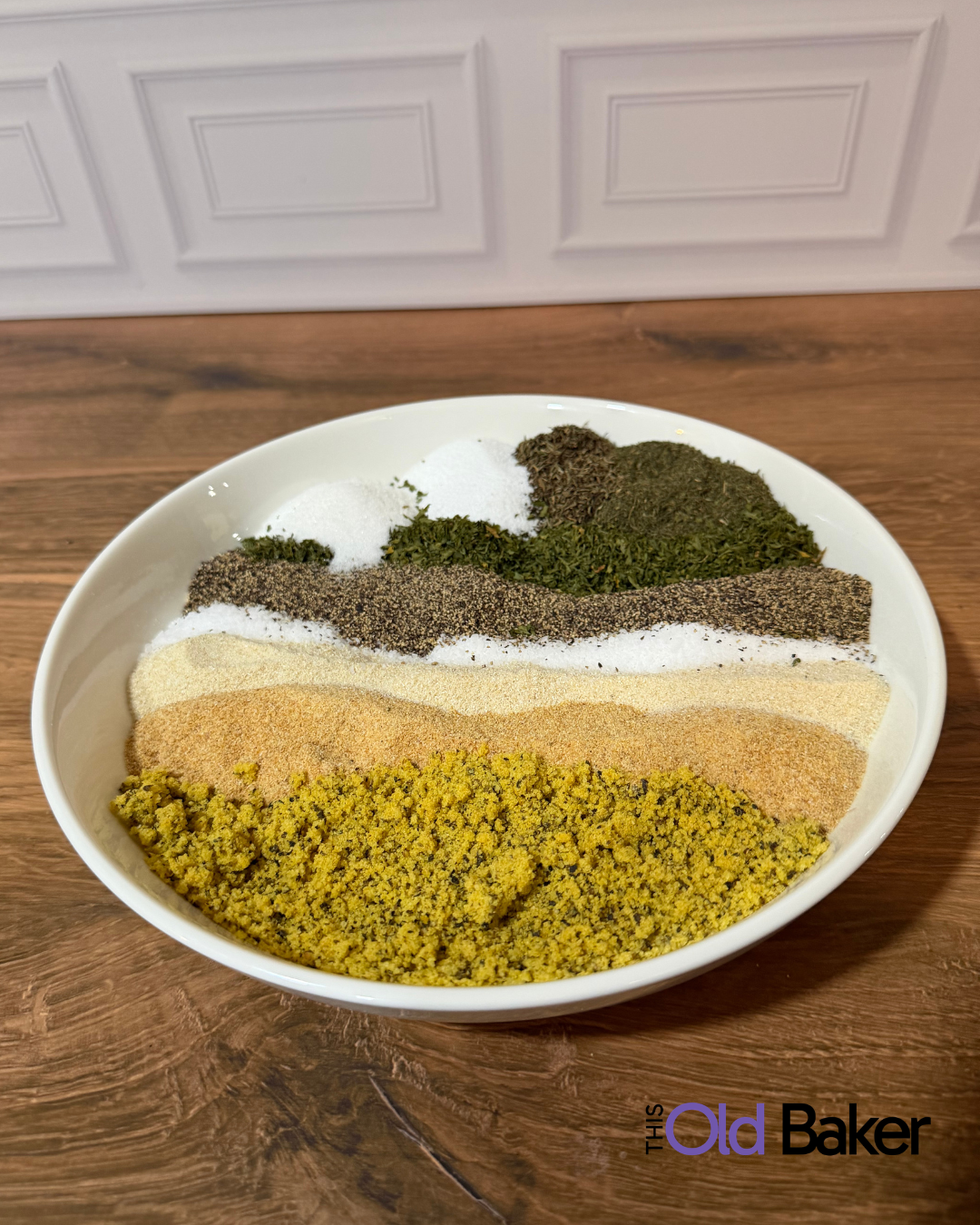
- Combine all of the ingredients in a large mixing bowl.
- Whisk thoroughly until evenly blended and the brown sugar is broken up.
- Pour the seasoning into a clean, dry quart-size mason jar.
- Seal tightly and label with the recipe name and date.
- Shake well before each use.
To Make Honey BBQ Wings
- Ingredients
- 2 pounds chicken wings
- 1 tablespoon avocado oil or olive oil
- 2 to 3 tablespoons Honey BBQ Wing Seasoning
Oven Instructions
- Preheat the oven to 425°F.
- Pat the wings completely dry with paper towels.
- Toss the wings with the oil.
- Sprinkle with 2 to 3 tablespoons of Honey BBQ Wing Seasoning and toss until evenly coated.
- Arrange the wings on a wire rack placed over a baking sheet.
- Bake for 45 to 50 minutes, turning halfway through, until crispy and the internal temperature reaches 165°F.
Air Fryer Instructions
- Preheat the air fryer to 400°F.
- Toss the wings with the oil and seasoning.
- Arrange in a single layer.
- Air fry for 20 to 24 minutes, flipping halfway through.

Leave a Reply