

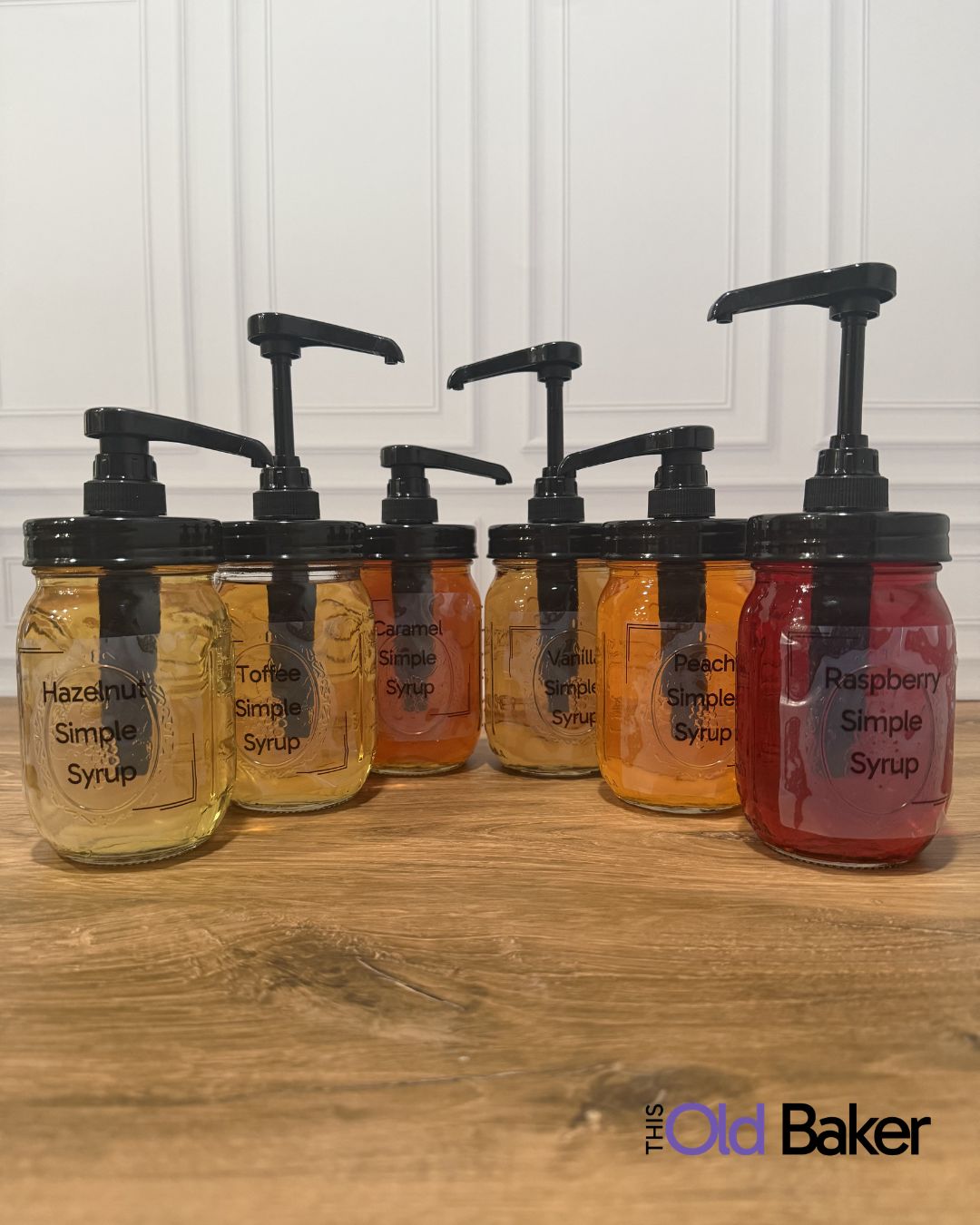
A good simple syrup in the refrigerator changes what you can make in five minutes. Iced coffee that tastes like it came from somewhere good. Lemonade that’s actually flavored. A cocktail that has something going on underneath the alcohol. The store-bought bottles do the job but at $8 to $12 each and with ingredient lists that include a lot of things that aren’t sugar and flavor, making your own is a better decision on every level.
These are the six I keep stocked — vanilla, raspberry, peach, hazelnut, toffee, and caramel. Four use extracts or real fruit and come together in 10 to 15 minutes. Two involve cooking sugar and take more attention but produce flavors you genuinely can’t buy in a bottle. All six are worth knowing.
If you’re using these in coffee drinks, my Cold Brew Coffee Concentrate — thisoldbaker.com/cold-brew-coffee-concentrate-easy-overnight-recipe is the base they’re designed to work with. And the Vanilla Sweet Cream Cold Foam — thisoldbaker.com/how-to-make-vanilla-sweet-cream-cold-foam-at-home turns any of these syrups into a layered coffee shop drink at home.
The Simple Syrup Formula
Every syrup in this collection starts with the same base: equal parts water and granulated sugar, brought to a simmer until the sugar dissolves completely. From there, flavor gets added, the syrup gets strained if needed, and it cools before going in the refrigerator.
For a thicker, richer syrup closer to what coffee shops use, a 2:1 sugar-to-water ratio produces a more concentrated result that disperses better in cold drinks. Either ratio works — 1:1 is the everyday version, 2:1 is for coffee drinks specifically.
One rule that applies to all six: extracts and vanilla always go in off heat. Added to boiling liquid, they lose most of their fragrance before the syrup is even done cooling.
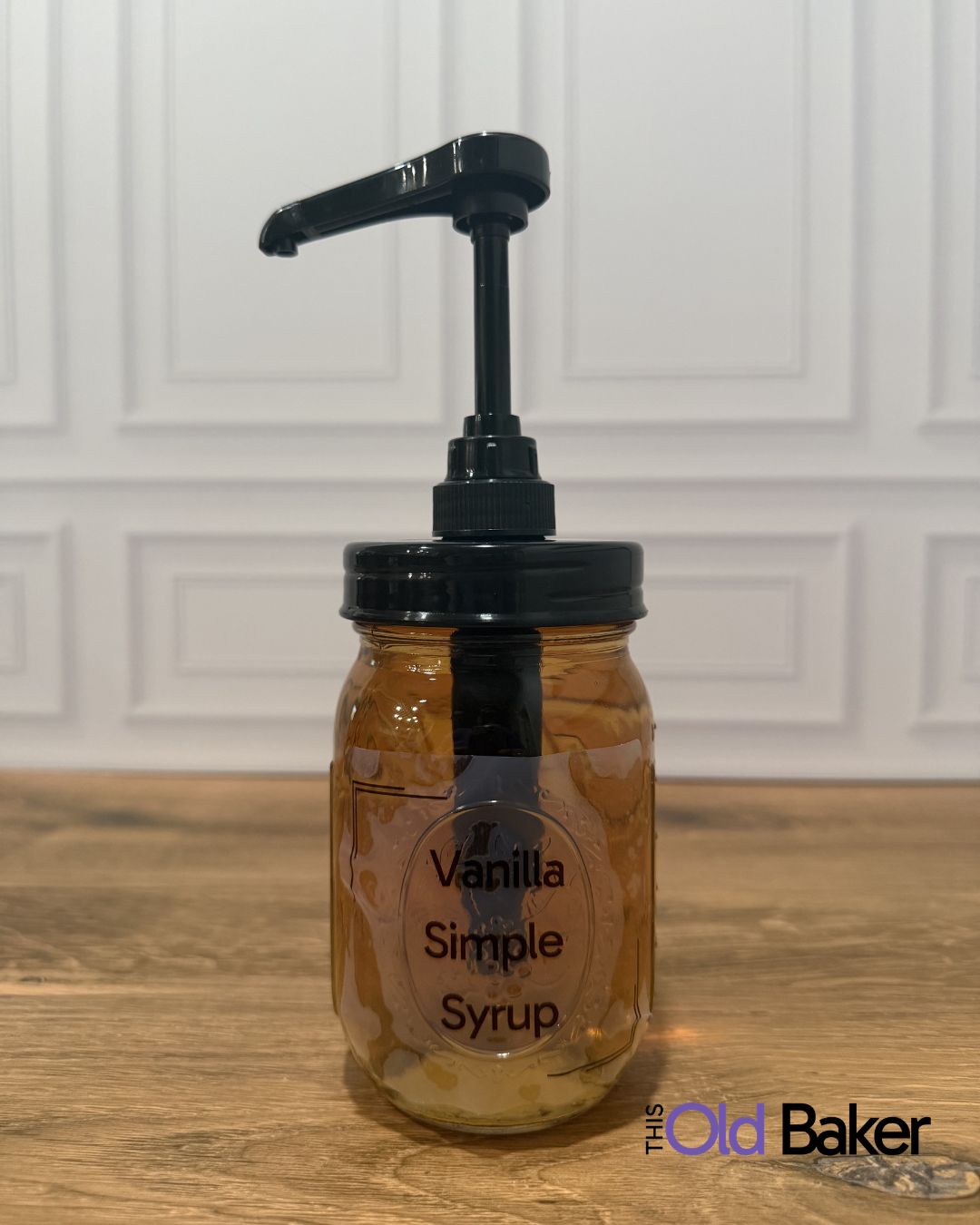
1. Vanilla Simple Syrup
The foundation of the collection and the most versatile syrup in the refrigerator. Three ingredients — sugar, water, pure vanilla extract. It goes in lattes, cold brew, iced tea, lemonade, cocktails, cold foam, cake soaks, and whipped cream. The syrup that makes everything taste more intentional without announcing itself as vanilla. Use pure extract, not imitation — the extract is the entire flavor and quality shows.
→ Get the Vanilla Simple Syrup recipe — thisoldbaker.com/vanilla-simple-syrup
Best in: lattes, cold brew, cold foam, iced tea, lemonade, cocktails, whipped cream, and cake soaks.
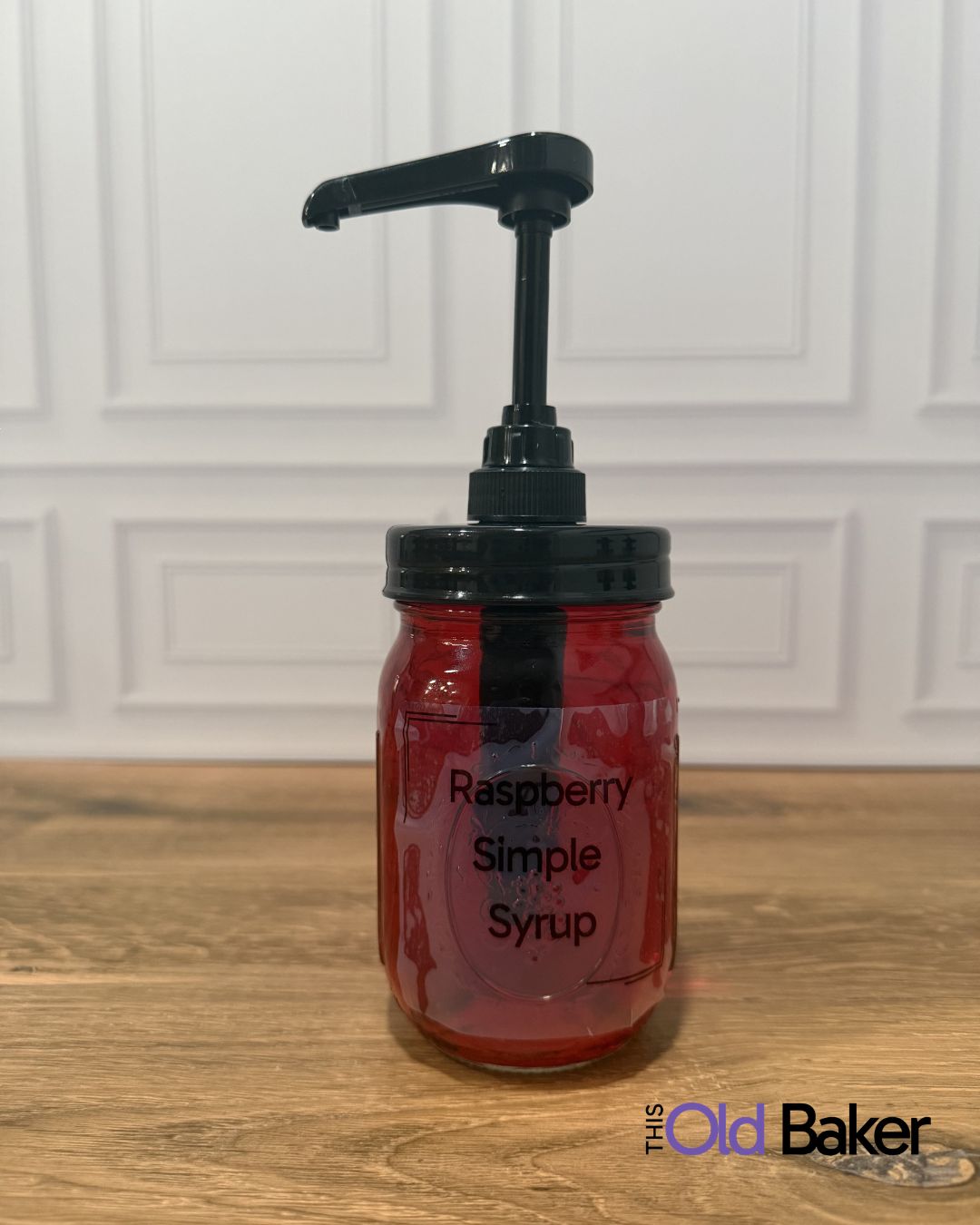
2. Raspberry Simple Syrup
Bright, tart, and deep red — the most visually striking syrup in the collection. Made with fresh or frozen raspberries rather than extract, so the flavor is genuinely fruit-forward rather than raspberry candy. A small amount of lemon juice keeps the color vivid and adds the tartness that makes this taste balanced rather than just sweet.
→ Get the Raspberry Simple Syrup recipe — thisoldbaker.com/raspberry-simple-syrup
Best in: iced coffee, lemonade, sparkling water, gin cocktails, and as a drizzle over cheesecake or ice cream.
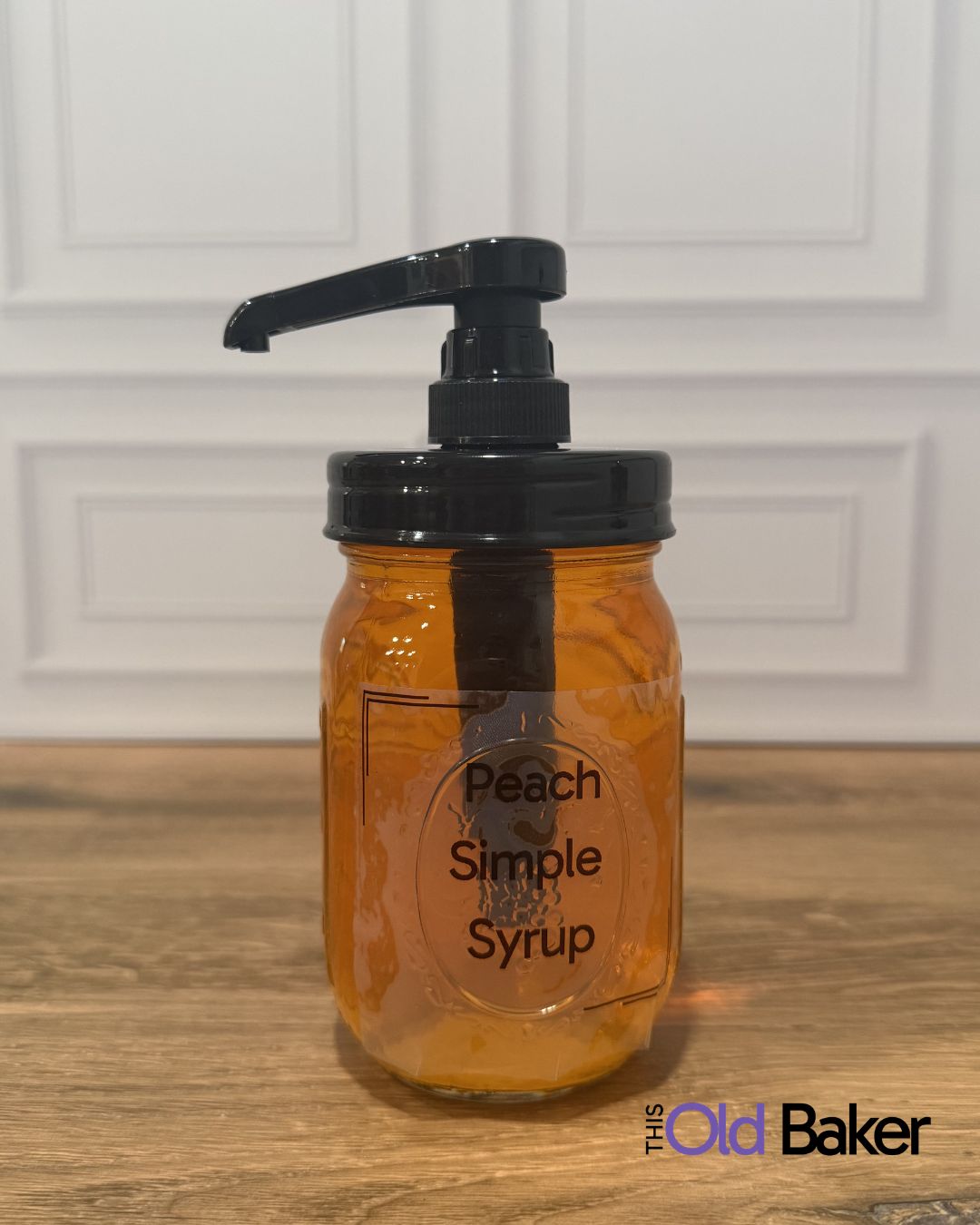
3. Peach Simple Syrup
Golden, fragrant, and tastes like peak summer. Fresh ripe peaches produce the most aromatic version; frozen peaches work well year-round. A touch of lemon juice prevents browning and brightens the flavor. Vanilla makes it more rounded and complex. The syrup that turns iced tea into something people ask about.
→ Get the Peach Simple Syrup recipe — thisoldbaker.com/peach-simple-syrup
Best in: iced tea, lemonade, bourbon cocktails, prosecco drinks, and over pancakes or oatmeal.
4. Hazelnut Simple Syrup
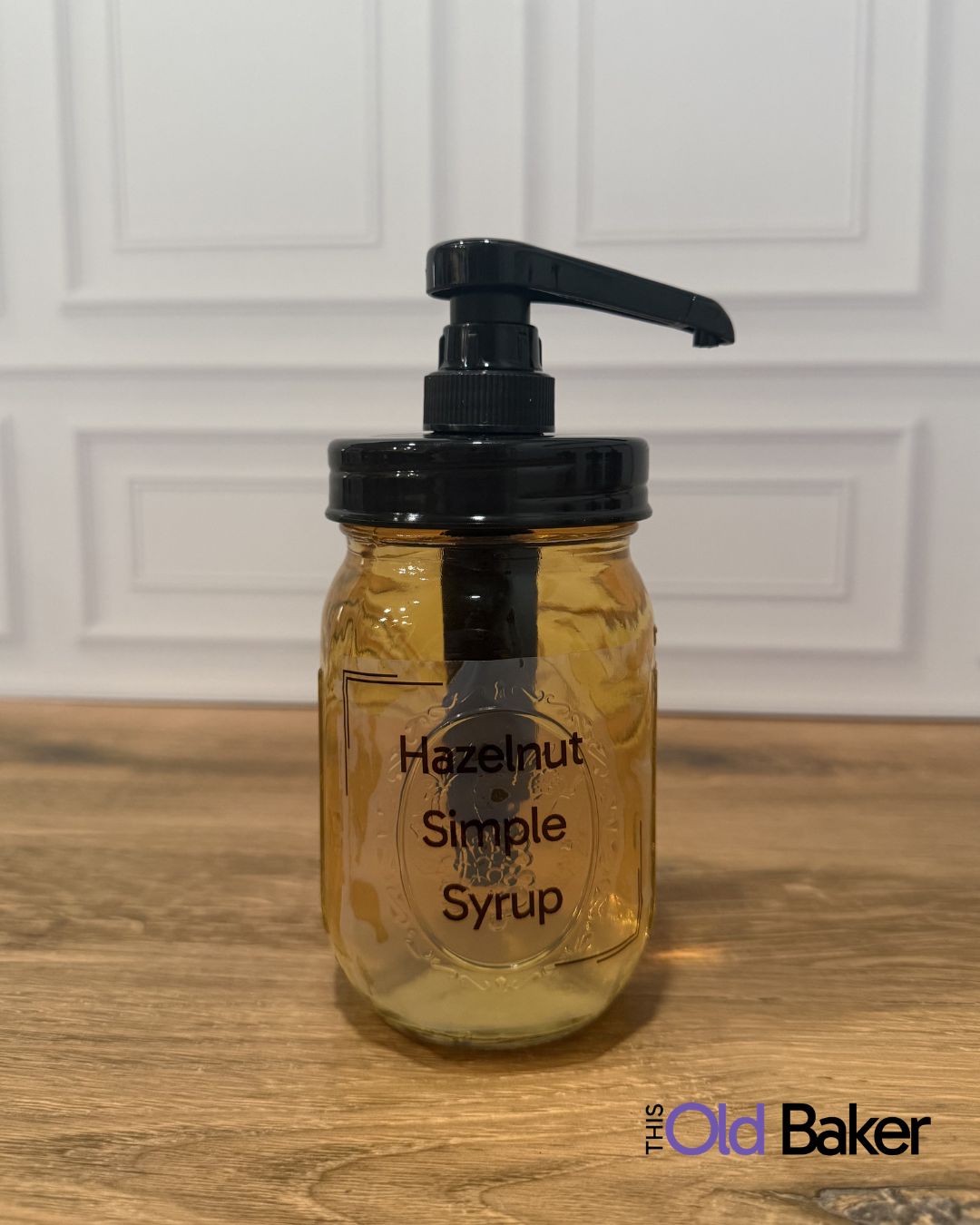
The coffeehouse staple made at home for pennies per serving. Pure hazelnut extract plus vanilla produces a clean, rounded flavor — not artificial, not one-note. It lasts a month in the refrigerator, which means one batch covers a lot of lattes. The syrup most likely to replace your Torani habit permanently.
→ Get the Hazelnut Simple Syrup recipe — thisoldbaker.com/hazelnut-simple-syrup
Best in: lattes, cold brew, hot coffee, chai, hot chocolate, and as a cake soak or dessert drizzle.
5. Toffee Simple Syrup
Brown sugar and butter cooked into a syrup that tastes like butterscotch and toffee in the best possible way. Richer and more complex than a plain brown sugar syrup. The optional butter extract makes it unmistakably toffee-flavored. Fall’s version of the collection — the one that makes people ask what’s in their coffee.
→ Get the Toffee Simple Syrup recipe — thisoldbaker.com/toffee-simple-syrup
Best in: lattes, cold brew, hot chocolate, old fashioned cocktails, and drizzled over apple pie or ice cream.
6. Caramel Simple Syrup
The one that requires real technique — cooking sugar to amber, whisking in warm cream, finishing with butter, vanilla, and salt. Actual caramelization, not extract. The result has bitter-sweet depth that bottled caramel syrup doesn’t have and that makes every coffee drink noticeably better. The rule: don’t stir while it cooks, watch the color, have your warm cream ready.
→ Get the Caramel Simple Syrup recipe — thisoldbaker.com/caramel-simple-syrup
Best in: lattes, cold brew, iced coffee, old fashioneds, and as a dessert drizzle. Different from the Microwave Salted Caramel Sauce — that one’s thicker and designed for desserts; this one’s thinner and designed for drinks.
Storage Notes for All Six
Vanilla and hazelnut (extract-based) keep up to one month refrigerated. Raspberry and peach (fruit-based) keep up to two weeks. Toffee and caramel (butter-enriched) keep two weeks but thicken when cold — warm briefly in the microwave before using. All six freeze well in ice cube trays for up to three months.
Label the jars before they go in the refrigerator. They all look like amber liquid after a few days and you will mix them up.
Gifting This Collection
Six labeled half-pint jars with pump lids is a complete coffee shop in a gift basket. Pair with a bag of good coffee or a cold brew kit and the recipient can make every drink on this list at home for weeks. It’s one of the most useful gift sets I make — practical, beautiful, and the kind of thing people request again the following year.
Frequently Asked Questions
What is simple syrup made of?
Simple syrup is equal parts water and granulated sugar dissolved together over heat — that’s the standard 1:1 ratio. A 2:1 ratio (twice as much sugar as water) produces a thicker, more concentrated syrup better suited for cold coffee drinks. Flavored syrups add fruit, extract, butter, or a cooking process like caramelizing sugar to the base. The dissolving technique is the same for all six syrups in this collection.
How long do homemade simple syrups last?
Vanilla and hazelnut (extract-based) last up to one month refrigerated. Raspberry and peach (fruit-based) last up to two weeks. Toffee and caramel (butter-enriched) last two weeks but thicken significantly when cold — warm briefly before using. All six freeze well in ice cube trays for up to three months for longer storage.
Which simple syrup is best for coffee?
All six work in coffee, but vanilla, hazelnut, toffee, and caramel are the most natural pairings. Vanilla is the most versatile and goes with everything. Hazelnut is the everyday workhorse — mild, rounded, and pairs with any roast. Toffee has more depth and is especially good in cold brew. Caramel is the most complex and closest to a true coffeehouse caramel syrup. Raspberry and peach are seasonal additions rather than everyday coffee syrups, though a raspberry iced coffee is excellent in summer.
What’s the difference between simple syrup and flavored syrup?
Simple syrup is the plain sugar-and-water base. Flavored syrup adds an ingredient — fruit, extract, spice, or a cooking process like caramelizing — that gives it a specific flavor beyond plain sweetness. All six syrups in this collection start from the same base technique and diverge based on what gets added and how. They can replace plain simple syrup anywhere you want sweetness plus a specific flavor note.
Can I make simple syrup without heat?
Cold-process simple syrup works for basic 1:1 ratio syrups — combine equal parts warm water and sugar in a jar, seal, and shake until dissolved. It doesn’t work for the fruit syrups, toffee, or caramel in this collection, which all require heat to extract flavor or cook the sugar properly. For vanilla and hazelnut, cold-process is technically possible but the heat method produces a cleaner result

Leave a Reply