

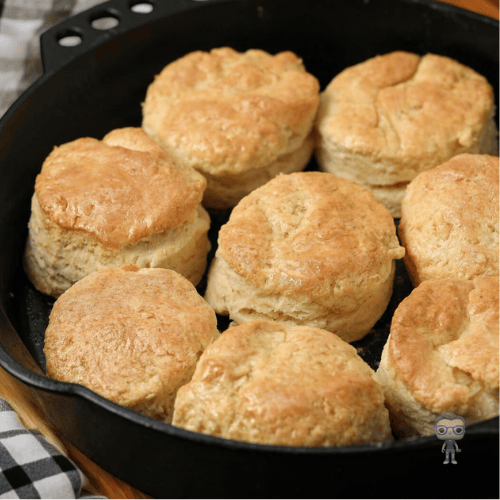
For those who love baking, few things rival the comfort of a warm, flaky biscuit fresh out of the oven. But if you’re following a gluten-free lifestyle, achieving that perfect texture and flavor can feel like a daunting task. Fear not! Gluten-free buttermilk biscuits are not only possible, but they can also rival their traditional counterparts when it comes to taste and texture. Let’s dive into the art of scratch baking these delightful treats and explore how to make gluten-free baking a success.
The Charm of Buttermilk Biscuits
Buttermilk biscuits are a classic comfort food, loved for their tender crumb and slightly tangy flavor. They pair beautifully with everything from creamy gravy to sweet jams, making them a versatile addition to any meal. The challenge in making gluten-free buttermilk biscuits lies in replicating the flaky layers and delicate texture without the elasticity that gluten provides.
Thankfully, advances in gluten-free baking have made it easier than ever to create biscuits that are light, fluffy, and just as satisfying as traditional versions. The secret lies in the right blend of gluten-free flours, thoughtful preparation, and a few simple techniques.
The Science of Gluten-Free Scratch Baking
Scratch baking is a rewarding process that allows you to control every ingredient in your recipe. When it comes to gluten-free baking, understanding the role of each component is key to achieving the best results. Here are some tips to set you up for success:
- Choose the Right Flour Blend: The foundation of any gluten-free recipe is the flour. Gluten-free all-purpose blends are widely available and often contain a mix of rice flour, tapioca starch, and potato starch. These blends mimic the texture of wheat flour, providing structure and tenderness. If you’re making your own blend, consider adding xanthan gum or guar gum to help bind the ingredients together.
- Keep Your Ingredients Cold: One of the secrets to flaky biscuits is using cold butter or shortening. When the fat melts in the oven, it creates pockets of steam that form the layers we all love. For gluten-free biscuits, this step is even more crucial to compensate for the lack of gluten structure.
- Use Buttermilk for Flavor and Lift: Buttermilk not only adds a tangy flavor but also reacts with leavening agents like baking soda to create a light and airy texture. It’s a must-have ingredient for achieving that classic biscuit taste.
- Don’t Overwork the Dough: Gluten-free dough is more delicate than traditional dough. Overmixing can lead to dense biscuits, so handle the dough gently and only mix until the ingredients are just combined.
Techniques for Perfect Gluten-Free Biscuits
Creating gluten-free buttermilk biscuits involves a few unique techniques to ensure they rise beautifully and have the desired texture. Here are some tips to help you achieve biscuit perfection:
- Cut Your Fat Precisely: Use a pastry cutter or your fingertips to cut the butter or shortening into the dry ingredients until the mixture resembles coarse crumbs. This step ensures even distribution of fat, which is crucial for flaky layers.
- Shape, Don’t Roll: Instead of rolling out the dough, pat it gently into shape with your hands. This minimizes handling and prevents the dough from becoming tough.
- Use a Sharp Cutter: When cutting biscuits, use a sharp biscuit cutter and press straight down without twisting. Twisting can seal the edges, preventing the biscuits from rising properly.
- Bake at a High Temperature: Start with a hot oven to encourage a quick rise. The intense heat activates the leavening agents and helps create those signature flaky layers.
Serving Suggestions for Gluten-Free Buttermilk Biscuits
Once you’ve mastered gluten-free buttermilk biscuits, the possibilities are endless. Here are a few ideas to inspire your next meal:
- Breakfast Bliss: Top your biscuits with scrambled eggs, cheese, and a slice of crispy bacon for a hearty start to your day.
- Southern Comfort: Pair your biscuits with sausage gravy or fried chicken for a traditional Southern-style meal.
- Sweet Indulgence: Spread them with honey, jam, or whipped cream and fresh berries for a delightful dessert.
- Savory Snacks: Use them as a base for mini sliders or top with smoked salmon and cream cheese for an elegant appetizer.
Troubleshooting Gluten-Free Baking Challenges
Even seasoned bakers encounter challenges when working with gluten-free recipes. Here are some common issues and how to overcome them:
- Crumbly Dough: If your dough is too crumbly, add a tablespoon of buttermilk at a time until it comes together. Gluten-free flours can absorb more liquid, so adjustments may be necessary.
- Flat Biscuits: Ensure your leavening agents are fresh and your oven is preheated. Also, avoid overworking the dough, which can inhibit rise.
- Gritty Texture: Allow the dough to rest for 10-15 minutes before baking. This gives the flour time to hydrate, reducing grittiness.
The Joy of Gluten-Free Scratch Baking
Baking gluten-free buttermilk biscuits from scratch is a labor of love that pays off with every bite. It’s an opportunity to connect with your ingredients, experiment with flavors, and create something truly special. Whether you’re serving them at a family brunch or enjoying them as a cozy snack, these biscuits are a testament to the magic of gluten-free baking.
So, gather your ingredients, preheat your oven, and embrace the challenge of scratch baking. With a little practice and patience, you’ll be whipping up gluten-free buttermilk biscuits that rival any bakery’s offerings. And who knows? You might even convert a few skeptics along the way.!
Gluten-Free Buttermilk Biscuits
Ingredients
- 2 cups gluten-free all-purpose flour
- 1/2 teaspoon xanthan gum leave out if your flour already contains it
- 1 tablespoon gluten-free baking powder
- 1 teaspoon salt
- 2 tablespoons granulated sugar
- 6 tablespoons unsalted butter dairy-free/Vegan
- 1 large egg egg-free/Vegan use Bob's Red Mill Egg Replacer
- 2 tablespoons gluten-free all-purpose flour
Instructions
- Add 1 cup buttermilk, if you don't have any on hand you can make your own buttermilk by adding 1 tablespoon of white vinegar or lemon juice to the cup of milk and let stand 5-10 minutes in the refrigerator to stay cold. Dairy-free use almond, cashew, or coconut milk and add the vinegar to make dairy-free buttermilk.
- Preheat oven to 450° F.
- In a large bowl add the gluten-free flour, baking powder, salt, sugar, and give it a quick whisk or stir to combine the ingredients. I like Pillsbury gluten-free flour. Not all gluten-free flours are created equal. You may experience different baking results depending on the gluten-free flour blend you choose.
- Cut the butter into small pieces and put in the freezer for 10 minutes. If you do not have buttermilk make your own buttermilk by adding 1 tablespoon of white vinegar or lemon juice to the cup of milk and let stand 5-10 minutes in the refrigerator to keep cold. You can also make buttermilk out of dairy-free milk.
- Cut in butter (or shortening for dairy-free) into the flour with a pastry cutter or fork until it looks like the size of small peas.
- Add in the buttermilk and the whisked egg (or egg replacer) and stir until a soft dough forms. (I whisk the egg right in the buttermilk) The key is to not over mix because over-mixing causes the dough to yield tough biscuits. The dough will be sticky.
- Add one tablespoon of flour to a large piece of parchment paper. PLEASE DO NOT ROLL OUT THE DOUGH.
- Place the dough on top of the floured parchment paper. Dust the top of the dough with 1 tablespoon of flour and gently fold dough over on itself 2 times. You do this by folding the dough in half on top of itself and then doing it a second time.
- With your hands form a dough round that is about 7 inches in diameter and 1 inch thick. If you make it any larger or flatter you will end up with hard, flat biscuits.
- Cut out 2-inch biscuits using a biscuit cutter, the mouth of a glass or the lid of a mason jar. Do not twist cutter when cutting; this will crimp the edges of the biscuit causing it not to rise well. Reform the dough scraps into a dough round and cut out more biscuits. Put the biscuits on a greased large cast iron pan or baking sheet. You will have 12 biscuits to bake.
- Bake the biscuits for 15-20 minutes at 450° F. At the 15-minute point please check your biscuits to see if they are golden brown. Please watch your biscuits because all ovens are different.
- Serve warm and enjoy!
- The biscuits can be stored in an airtight container. They are best enjoyed warm.

Leave a Reply