

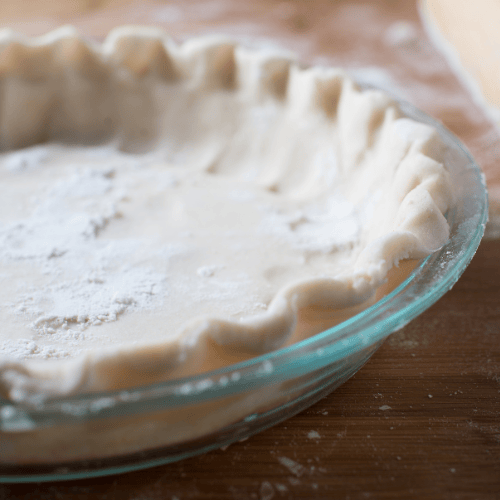
Gluten free pie crust may have started as a necessity for those with food sensitivities, but it’s grown into a delicious, accessible option for anyone who loves baking—and wants to do it a little differently. Whether you’re managing celiac disease, cutting out gluten for personal wellness goals, or simply exploring new ingredients, a well-made gluten free pie crust offers all the satisfaction of a traditional bake, with none of the dietary worry.
Gone are the days when gluten free automatically meant dry, crumbly, or tasteless. Today, with the right approach and a few pantry staples, you can create a crust that’s buttery, flaky, and every bit as comforting as the pies you grew up with.
Why Gluten Free?
The reasons people go gluten free vary widely. For some, it’s a medical necessity—celiac disease, wheat allergies, or non-celiac gluten sensitivity. For others, it’s about improving digestion, reducing inflammation, or making dietary changes that help them feel better overall.
Whatever the reason, eliminating gluten doesn’t mean giving up your favorite baked goods. It just means learning new ways to work with dough, flours, and textures. And pie is the perfect place to start.
There’s something inherently wholesome about making a pie crust from scratch. It’s hands-on, tactile, and deeply satisfying. It connects you to the ingredients, the process, and the people you’re baking for. Choosing to make that crust gluten free? That’s just one more way to ensure it nourishes the body as much as it feeds the soul.
A Crust That Works for Everyone
One of the wonderful things about a gluten free pie crust is how inclusive it is. If you’re hosting a gathering or bringing dessert to a holiday meal, a gluten free crust ensures that guests with dietary restrictions can still enjoy a slice of whatever you’re baking—apple, pumpkin, pecan, or even quiche.
And here’s the secret: most people won’t even notice the difference when it’s made well. Gluten free doesn’t mean you’re sacrificing taste or texture. In fact, many gluten free bakers have discovered that their alternative crusts turn out flakier and more tender than the wheat-based versions they used to rely on.
Healthier by Nature
Another bonus of baking gluten free? You often end up incorporating a wider range of nutrient-rich ingredients into your cooking. Traditional pie crusts rely heavily on all-purpose flour, which is typically stripped of fiber and nutrients. Gluten free crusts, on the other hand, open the door to a variety of flours—almond, oat, sorghum, buckwheat, and even chickpea—that add protein, fiber, and minerals to your bakes.
These whole-food-based flours don’t just bring nutritional value—they also add flavor. Almond flour adds nuttiness. Oat flour brings a soft, buttery profile. Even a touch of coconut flour can add depth and natural sweetness, making your crust uniquely yours.
Of course, a pie is still a treat, and that’s okay. But knowing that the ingredients you’re using are a little more wholesome—and that they align with your body’s needs—can make that treat feel all the more satisfying.
Finding the Right Blend
If you’ve ever tried a gluten free baking project and ended up with a crumbly mess, you’re not alone. Gluten is the protein that gives dough its stretch, structure, and elasticity. Without it, pie crusts need a little extra help to hold together and stay tender.
The key is finding the right flour blend. Some bakers prefer ready-made gluten free flour mixes, while others build their own using a combination of rice flour, tapioca starch, and binders like xanthan gum or psyllium husk. The choice depends on your dietary needs, your texture preferences, and how adventurous you want to be in the kitchen.
With a little trial and error, you’ll find your groove—and your signature crust.
Chill, Roll, and Trust the Process
Working with gluten free pie dough may feel a little different at first. It’s often more delicate, a bit stickier, and prone to cracking if over-handled. But it also teaches you to slow down, chill your dough properly, and handle it with care—all good practices for any kind of baking.
Using parchment paper to roll it out, pressing it into the dish in pieces, or patching as needed isn’t cheating—it’s just part of the process. Once the pie goes into the oven, the crust transforms just like any other, turning golden and fragrant and ready to cradle whatever filling you’ve chosen.
And when you pull it out of the oven and slice into that first wedge, there’s a quiet kind of pride in knowing you made it work—your way, your ingredients, your story.
More Than a Trend
Gluten free pie crusts have earned their place at the table—not just as a dietary workaround, but as a full-flavored, satisfying option in their own right. As more people explore gluten free living for health, wellness, or necessity, the world of alternative baking continues to grow in creativity and quality.
Whether you’re adapting family recipes, experimenting with new fillings, or just looking for a way to enjoy pie that aligns with your health goals, this crust proves that delicious and gluten free can go hand in hand.
Because at the end of the day, pie isn’t just about flour and butter—it’s about comfort, connection, and joy. And gluten free pie crust delivers all three, one flake at a time.
Did you try this recipe? Let me know in the comments how it turned out, or tag me on social media with your creations! Looking for more gluten-free inspiration? Check out my Gluten-Free Snickerdoodle Cookies and Gluten-Free Buttermilk Biscuits for more ideas.
Gluten Free Pie Crust
Ingredients
- 1 ¼ cup all-purpose gluten-free flour with xanthan gum
- 2 tablespoons granulated sugar
- ¼ teaspoon salt
- ¼ cup unsalted butter chopped and chilled
- ¼ cup shortening chilled
- ¼ teaspoon apple cider vinegar
- 1 large egg for vegan, use Bob’s Red Mill egg replacer.
- 3 tablespoons ice cold water
Instructions
- In separate small bowls add the chopped butter, shortening, and cold water. Place the bowls in the freezer for a few minutes to get really cold.
- In a large bowl add the gluten-free flour, sugar, salt, chilled butter, chilled shortening, apple cider vinegar, egg (or egg replacer), and ice cold water.
- Using the paddle attachment on a stand-up mixer, mix until fully combined and the dough starts to form. Be sure to scrape the sides of the bowl. The dough will be thick and sticky.
- Shape the dough into a ball. Place the ball on top of a piece of plastic wrap. Press the dough ball into a disc shape. Wrap the dough disc in the plastic wrap and refrigerate for at least 1 hour.
- Remove from the refrigerator and let stand at room temperature for 10-15 minutes.
- Unwrap the dough disc and place it onto parchment paper lightly floured with gluten-free flour. Lightly flour the top of the dough disc and a rolling pin.
- Roll out the dough disc into a 10-12 inch round circle, for a 9-inch pie pan.
- Carefully place the dough into a greased 9-inch pie pan. Press the dough into the bottom and sides (lift the pie crust up and do not try and stretch it). Seal any cracks, if necessary. Shape the sides, fill, and bake as directed in your chosen recipe.
- For a par-baked crust, you can par bake it for 10-15 minutes at 400˚F. Please watch your crust so it doesn't over bake or get too brown.

Leave a Reply